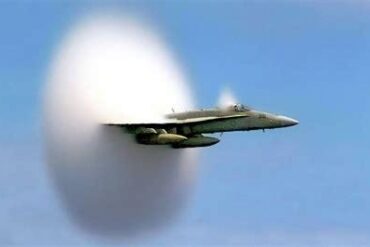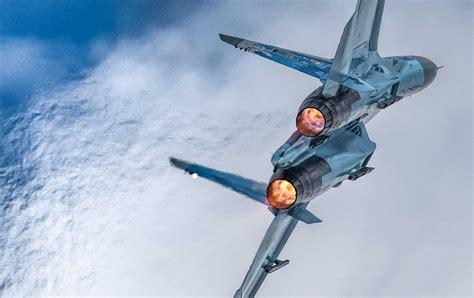
Fighter jets represent the cutting edge of aerospace engineering and military capability. Among their many high-performance features, one of the most critical is vertical climb rate—a direct measure of how quickly these aircraft can gain altitude and escape threats or engage enemies from above. This ability is vital for both survival and dominance in aerial warfare. While speed and stealth are important, the power to climb almost vertically at tens of thousands of feet per minute often separates elite aircraft from the rest of the fleet.
In this analysis, we delve into the most formidable vertical climbers in the skies—the top-ranked fighter jets in the world based on maximum vertical climb rate. These aircraft, from various global powers, not only reflect peak performance engineering but also offer a glimpse into the strategic priorities of the nations that deploy them.
Why Vertical Climb Matters in Modern Aerial Combat
In an era where radar-lock and missile engagement distances span dozens of miles, altitude control has become an indispensable tactical element. A fighter jet’s ability to climb rapidly can mean evading enemy radar, breaking a missile’s lock, or gaining the upper hand in a dogfight.
As modern battlefields integrate advanced systems like Russia’s S-400 surface-to-air missile batteries, jets must either operate stealthily or maneuver in ways that make them less predictable. A fast vertical climb allows a fighter to escape the “kill zone” quickly, reposition, or even ascend above threats and descend with surgical precision—often undetected.
This ability is especially relevant in conflict zones like Ukraine, where older airframes must contend with advanced missile systems. It’s no surprise that as tensions flare globally, high-climb-performance fighters are prioritized in production and deployment.
The Top Fighter Jets with the Fastest Vertical Climb
The following jets are ranked based on their maximum vertical climb rate, measured in feet per minute. The data has been gathered from Military Factory, with additional insights and specifications included for context.
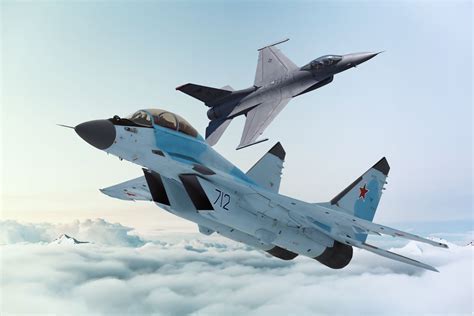
#1. MiG-35 Fulcrum-F – 65,000 ft/min
Introduced: 2020
Manufacturer: Russian Aircraft Corporation MiG
Top Speed: 1,491 mph
The MiG-35 leads the global roster with its blistering vertical climb rate of 65,000 ft/min, marking Russia’s renewed emphasis on tactical air superiority. A fourth-generation-plus multirole aircraft, the MiG-35 features updated avionics, AESA radar, and optional stealth coatings. Designed as a cost-effective answer to Western fifth-generation jets, it excels in agility, high-altitude maneuvering, and precision strike capabilities.
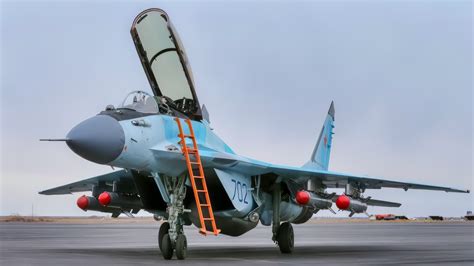
#2. MiG-29 Fulcrum – 65,000 ft/min
Introduced: 1984
Manufacturer: Mikoyan OKB
Top Speed: 1,519 mph
Though decades old, the MiG-29 remains a force to reckon with, especially in its modernized variants. Originally built to counter the F-15 and F-16, the aircraft’s compact airframe and powerful twin engines allow it to perform stunning vertical climbs even by today’s standards. Many air forces still field MiG-29s due to their upgrade potential and raw kinematic performance.

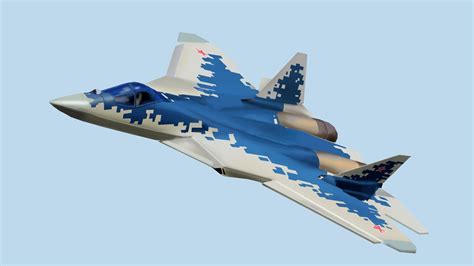
#3. Sukhoi Su-57 Felon – 64,000 ft/min
Introduced: 2019
Manufacturer: Sukhoi OKB
Top Speed: 1,616 mph
Russia’s first stealth fighter, the Su-57, combines stealth, speed, and supermaneuverability. Equipped with thrust-vectoring engines and advanced flight controls, it achieves a vertical climb rate on par with the MiG series while incorporating low observable technology. Its future integration with AI-based targeting and drone swarm coordination suggests Russia is betting heavily on this platform to define its air superiority doctrine.
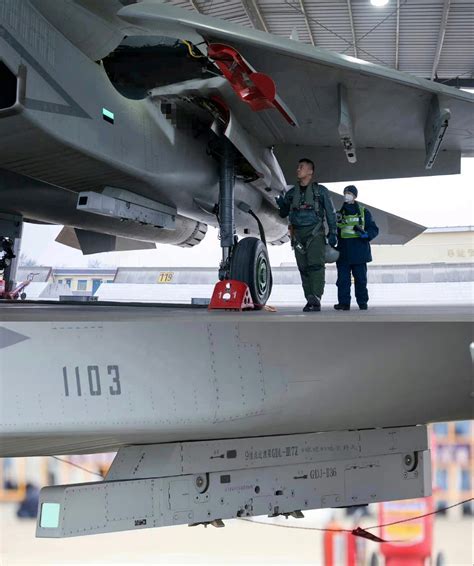
#4. Shenyang J-11 (Flanker B+) – 64,000 ft/min
Introduced: 1998
Manufacturer: Shenyang Aircraft Corporation
Top Speed: 1,553 mph
A Chinese license-built version of the Su-27, the J-11 has undergone numerous domestic modifications. The J-11’s impressive climb rate and airframe strength allow it to serve as both an interceptor and multirole fighter. Enhanced radar systems and improved missiles give it formidable strike capabilities over long ranges.
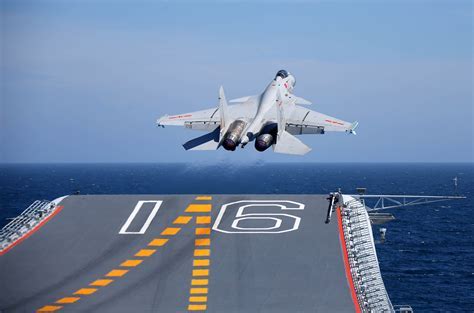
#5. Shenyang J-15 (Flying Shark) – 64,000 ft/min
Introduced: 2013
Manufacturer: Shenyang Aircraft Corporation
Top Speed: 1,305 mph
The J-15, China’s carrier-capable fighter, is a navalized evolution of the Su-33. Despite criticisms about weight and engine thrust at sea level, the aircraft remains potent when launched from ski-jump carriers. Its vertical climb rate makes it a serious threat to aerial targets attempting to challenge Chinese maritime airspace.
Western Powerhouses and Vertical Performance
While Russian and Chinese jets dominate the upper ranks of climb rate, Western aircraft bring a balance of speed, stealth, and agility with their own outstanding performance metrics.
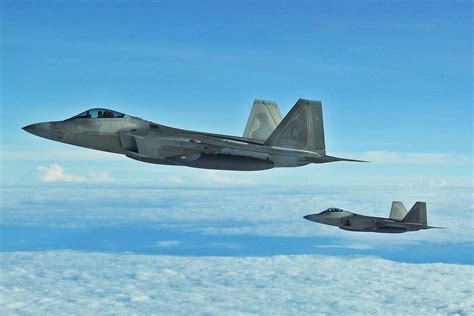
#6. F-22 Raptor – 62,000 ft/min
Introduced: 2005
Manufacturer: Boeing / Lockheed Martin
Top Speed: 1,599 mph
The F-22 Raptor is the gold standard for air dominance. Though production ended in 2011, its legacy remains unmatched. With supercruise capability and unmatched stealth, its climb rate of 62,000 ft/min reflects its design as a pure air-superiority machine. The F-22’s ability to achieve vertical climbs with minimal radar signature makes it especially deadly.
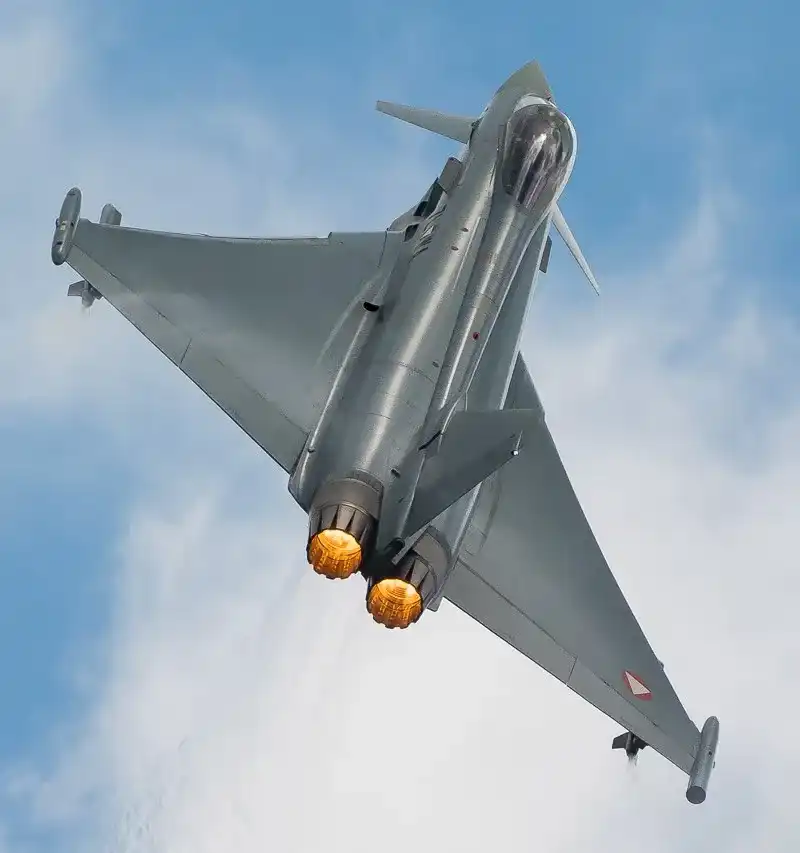
#7. Eurofighter Typhoon – 62,000 ft/min
Introduced: 2003
Manufacturer: Eurofighter GmbH
Top Speed: 1,550 mph
Developed by a consortium of European nations, the Eurofighter Typhoon is one of the most agile non-stealth fighters in service. With digital fly-by-wire controls and a powerful EJ200 engine, its vertical climb rate makes it lethal in intercept roles. Pilots note the Typhoon’s “energy retention” as among the best in its class.
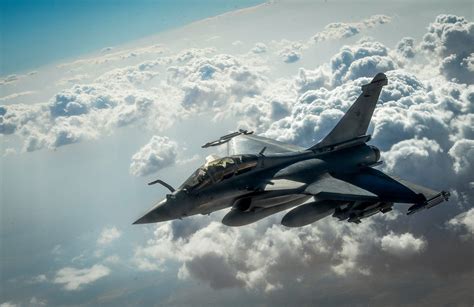
#10. Dassault Rafale – 60,000 ft/min
Introduced: 2001
Manufacturer: Dassault Aviation
Top Speed: 1,383 mph
France’s frontline fighter, the Rafale, is a multi-role aircraft with extensive combat experience from Libya to the Middle East. Its high climb rate, advanced electronic warfare suite, and compatibility with nuclear payloads solidify its role as both a tactical and strategic asset.
Stealth, Technology, and Tactical Relevance
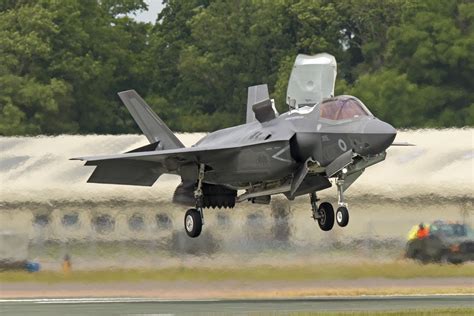
The F-35 Lightning II Conundrum
Introduced: 2016
Climb Rate: 50,000 ft/min
Top Speed: 1,199 mph
Manufacturer: Lockheed Martin
Despite its lower vertical climb rate compared to its peers, the F-35 Lightning II remains critical to NATO air strategy. Its stealth, situational awareness, and networked battlefield capabilities make it the preferred multirole platform—even as the Pentagon recently halved its planned F-35 order. This reduction has raised eyebrows about cost-benefit ratios, even though the aircraft’s technological leap is indisputable.
Emerging Threats and the Next Generation
With aircraft like China’s J-20 and India’s plans for sixth-generation fighters, the race for high-performance vertical climbers continues. These platforms are no longer just about brute power—they must integrate stealth, sensor fusion, and unmanned coordination. The vertical climb remains a cornerstone performance spec, but now it’s part of a more complex matrix of combat survivability.
The Pentagon’s pivot to AI-enhanced warfare and Russia’s parallel development of loyal wingman drones further emphasize that the vertical climb is evolving into a component of greater strategic systems.
Conclusion: The Jet That Climbs the Hardest, Dominates the Skies
From the legendary MiG-29 to the futuristic Su-57 and the digital battleground-ready F-22, the fastest climbers in the world are more than mechanical marvels—they are strategic instruments of national power. These jets are engineered to own the skies above high-threat environments, and their vertical capability speaks volumes about their tactical advantage.
As global powers push the boundaries of flight, the climb rate remains a timeless metric of a fighter’s raw capability. It’s not just how fast a jet flies horizontally—but how decisively it ascends into battle—that defines true aerial supremacy.