In the realm of aviation, size is not merely a metric—it is a statement of engineering ambition, technological prowess, and global connectivity. Among the many marvels of modern aircraft, the longest plane in the world holds a special distinction, embodying decades of innovation and the fierce competition between aerospace giants Boeing and Airbus. In this article, we explore the titans of the skies, highlighting their designs, history, capabilities, and how they continue to shape the future of air travel.
The Reigning Champion: Boeing 747-8 Intercontinental
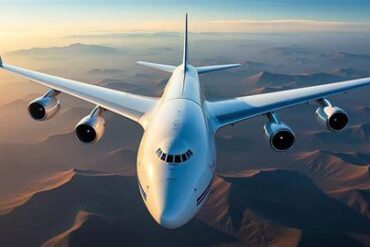
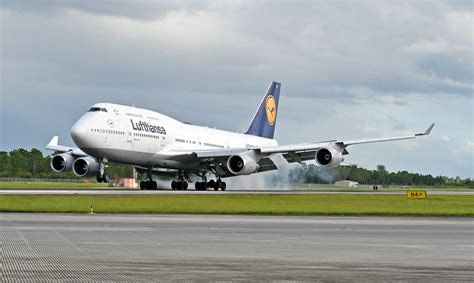
Currently, the longest passenger aircraft in the world is the Boeing 747-8 Intercontinental, stretching an impressive 250 feet 2 inches (76.2 meters) from nose to tail. First entering service in June 2012, this evolution of the legendary 747 family is a stunning blend of capacity, range, and performance.
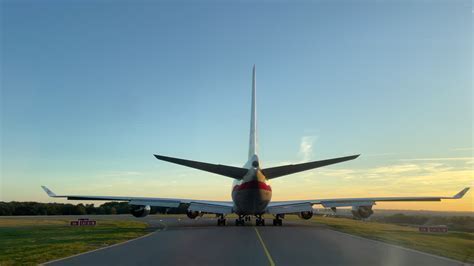
Derived from the technological advancements of the Boeing Dreamliner series, the 747-8I offers a capacity of up to 605 passengers in an all-economy layout, although typical configurations accommodate fewer for long-haul comfort. With a maximum range of 7,730 nautical miles, it is designed to connect major global hubs with fewer stops.
Despite its capabilities, the aircraft’s production run ended in 2022, with final deliveries including the VC-25B variant—better known as the future Air Force One. Only a handful of airlines continue to operate the 747-8I, including Lufthansa, Korean Air, and Air China.
Airbus’ Contender: The A340-600
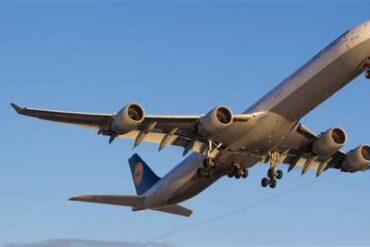
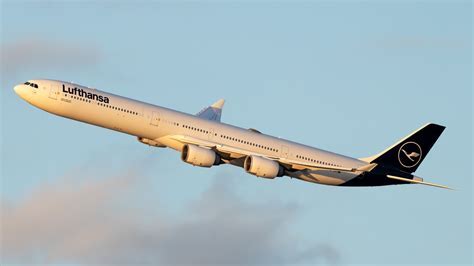
Close behind is the Airbus A340-600, measuring 247 feet 3 inches (75.3 meters). This long-range, four-engine aircraft was Airbus’ answer to Boeing’s growing dominance in the widebody segment in the early 2000s. Capable of seating up to 440 passengers and flying 7,500 nautical miles, it served premier long-haul routes for airlines such as Virgin Atlantic, Iberia, South African Airways, and Lufthansa.
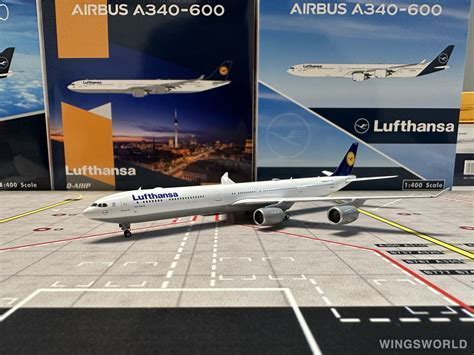
Introduced in 2002 and ceasing production by 2011, only 97 units were built. Today, its fleet is aging, with Lufthansa planning full retirement by October 2025. Despite its quiet withdrawal, the A340-600 remains a remarkable engineering feat.
The 777 Family: A Longstanding Legacy
Next in line is the Boeing 777-300, measuring 242 feet 4 inches (73.8 meters). Since its first flight in 1998, the 777-300 and its extended range variant, the 777-300ER, have become stalwarts of modern aviation. These aircraft are widely used by Emirates, Cathay Pacific, Air France, and Qatar Airways, supporting routes that require both capacity and endurance.
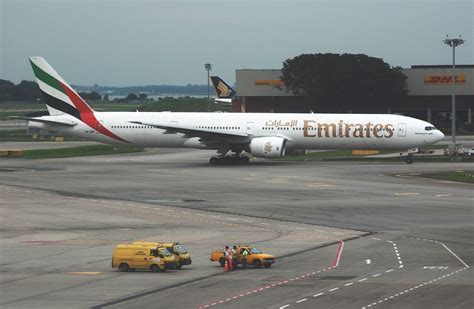
The 777-300 can accommodate up to 550 passengers, though typical configurations range between 365 and 396. Its long-range capability of 7,370 nautical miles makes it a preferred choice for high-demand intercontinental flights. Over 833 units of the -300ER have been delivered, underlining its success.
The Future Giant: Boeing 777X-9
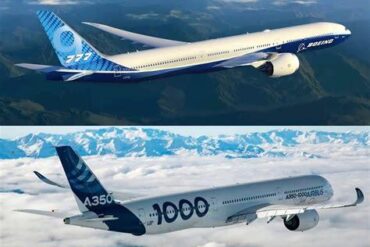
Set to claim the title of the longest aircraft in the world is the Boeing 777X-9, expected to enter commercial service in the mid-2020s. With a length of 251 feet 9 inches (76.5 meters), this new model outstretches all existing passenger jets.

Incorporating cutting-edge composite materials, folding wingtips, and next-generation engines, the 777X-9 is poised to redefine efficiency and capacity in long-haul travel. Designed for over 400 passengers with a range surpassing 7,200 nautical miles, airlines like Emirates, Lufthansa, and Qatar Airways are eagerly awaiting its arrival.
Modern Elegance: Airbus A350-1000
Airbus’ flagship, the A350-1000, stands at 242 feet 2 inches (73.7 meters). With advanced aerodynamics, a spacious cabin, and reduced fuel consumption, the A350-1000 exemplifies the balance between luxury and performance.
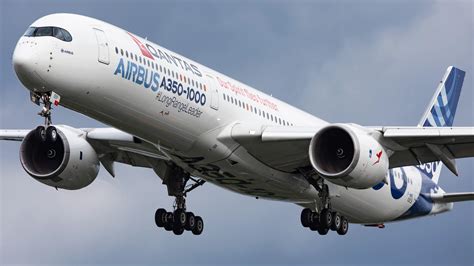
First delivered in 2018, the aircraft serves major carriers such as British Airways, Qatar Airways, and Cathay Pacific. It supports up to 480 passengers in high-density layouts and offers an impressive range of 8,700 nautical miles. It also plays a key role in Qantas’ Project Sunrise, aiming to connect cities like Sydney to London or New York non-stop.
The Superjumbo: Airbus A380
Although not the longest, the Airbus A380 is undoubtedly the largest passenger aircraft by volume and capacity. Measuring 238 feet 7 inches (72.6 meters) in length and featuring two full-length decks, it can carry up to 853 passengers in an all-economy configuration, though most operators prefer layouts for 550 passengers.
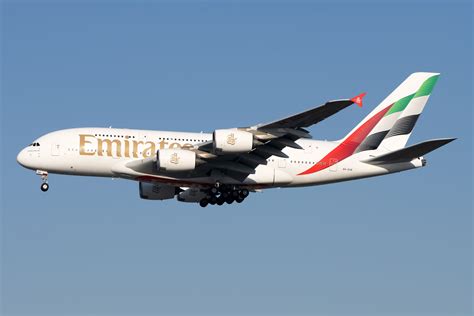
Launched in 2007 and ending production in 2021, the A380 is a flying palace, complete with bars, lounges, and even showers. Emirates remains its largest operator, with the aircraft expected to remain in service well into the 2030s.
Veteran Giants Still Flying
Among older yet notable long aircraft is the Boeing 747-400, introduced in 1989 and measuring 231 feet 10 inches (70.4 meters). Capable of seating up to 660 passengers, it served as the global workhorse for decades. Over 694 units were built, many now retired or repurposed as cargo freighters and special missions (e.g., VC-25A and Dreamlifter).
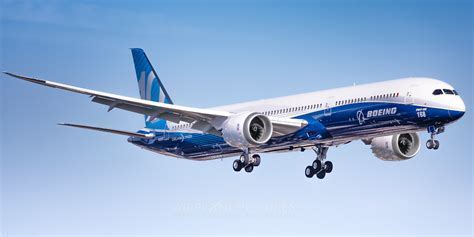
The Boeing 787-10, while more recent, marks Boeing’s push toward efficiency and sustainability. At 224 feet (68.3 meters), it can carry up to 440 passengers with a range of 6,330 nautical miles, currently operated by airlines including Singapore Airlines, Etihad, and British Airways.
Honorable Mentions: Unique but Shorter
Aircraft like the Airbus A340-500 and A350-900 also push the envelope in range and technology, despite being shorter in length. The A340-500, measuring 222 feet 10 inches, was once the world’s longest-range airliner at 9,000 nautical miles. It’s now largely used for VIP transport and government operations.
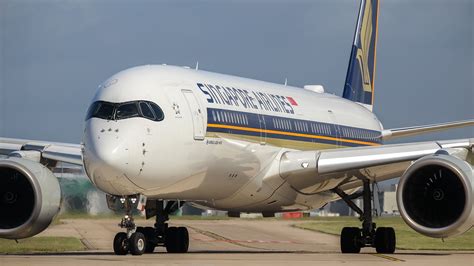
The A350-900, at 219 feet 2 inches, serves high-efficiency long-haul markets with advanced composite airframes, low cabin altitude, and quieter engines. It remains popular with Singapore Airlines, Qatar Airways, and Cathay Pacific.
Conclusion: Engineering the Skies with Length and Power
The race to build the longest plane is not merely about adding inches to fuselages; it is about enhancing range, comfort, efficiency, and passenger experience. These aircraft are not just metal machines—they are masterpieces of human ambition.
While the Boeing 747-8I currently holds the crown, the imminent 777X-9 will soon set a new benchmark. Airbus, too, continues to innovate through its A350 program, competing not just on size but on technological edge and environmental stewardship.
As we look ahead, the future of long-haul aviation promises aircraft that are not only longer but smarter, greener, and even more capable of connecting our world in ways once thought impossible.