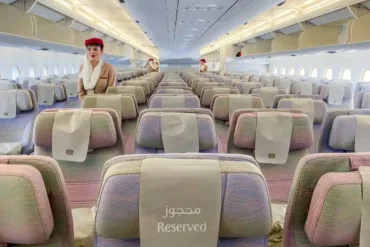
When the Airbus A380 first took flight in 2007, it redefined the limits of modern air travel. Towering above the tarmac with its full-length double-deck design and four massive engines, the A380 was built for long-haul prestige. Today, it remains the backbone of ultra-long nonstop routes for a select group of global airlines. From the South Pacific to the Middle East, these flying giants stretch their wings over immense distances, carrying thousands of passengers daily across continents and oceans. Between July and September 2025, the 10 longest nonstop Airbus A380 flights showcase the aircraft’s remarkable endurance and global reach.
Auckland to Dubai – 17 Hours and 25 Minutes
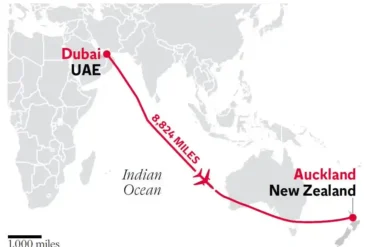
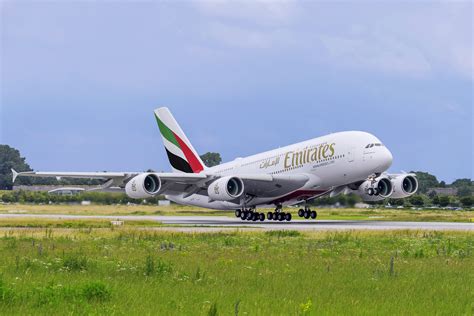
At the top of the list is the staggering Auckland (AKL) to Dubai (DXB) route operated by Emirates. Clocking in at up to 17 hours and 25 minutes, this journey stands as the world’s longest nonstop A380 flight. Serving New Zealand’s largest city, this connection is not just a marvel of distance but a symbol of the airline’s expansive reach and commitment to high-capacity luxury.
Emirates began serving Auckland with A380s in 2009 via stopovers in Australia, but in 2016 launched nonstop operations. Since April 2018, the flight has consistently run nonstop, bypassing traditional connections. Despite scaling back from a previous peak of four daily A380 flights to just one, the route remains critical for transoceanic travel and is a passenger favorite for its in-flight opulence.
Dallas to Sydney – 17 Hours and 15 Minutes (from August 2025)
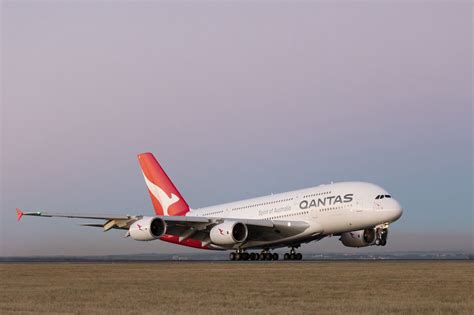
Just ten minutes shy of the top spot, Qantas reintroduces its A380 on the Dallas/Fort Worth (DFW) to Sydney (SYD) route from August 11, 2025. The route had previously seen the superjumbo between 2014 and 2020 before being paused during fleet and route restructuring. Operating initially four times weekly, the A380 will complement existing 787-9 Dreamliner services that will be reduced as the flagship returns.
The decision to relaunch this route with the A380 was likely driven by a surge in post-pandemic demand and the aircraft’s 485-seat capacity. Notably, this makes Dallas the only U.S. airport west of Chicago to regain A380 service by a non-U.S. carrier. The aircraft will return to daily operation in 2026, affirming Qantas’ long-haul strategy.
Dubai to Houston and Los Angeles – 16 Hours and 20 Minutes
Emirates again dominates the list with two more lengthy transpacific journeys: Dubai to Houston (IAH) and Dubai to Los Angeles (LAX). Each route clocks in at 16 hours and 20 minutes, highlighting the geographic centrality of the UAE carrier’s Dubai hub. Both routes run daily and leverage the A380’s massive range and fuel capacity to maximize passenger comfort on routes that stretch across entire hemispheres.
These routes not only serve high-yield corporate markets but also large VFR (visiting friends and relatives) segments, with strong demand to and from South Asia and the Middle East. Emirates’ ability to sustain such long-haul service on a double-decker aircraft underscores its dominance in the high-capacity intercontinental travel space.
Los Angeles to Sydney – 15 Hours and 55 Minutes
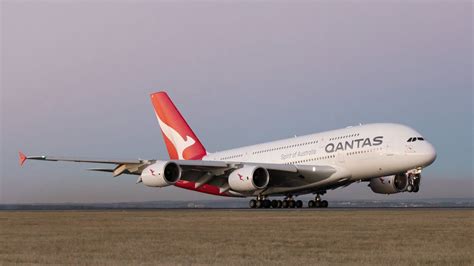
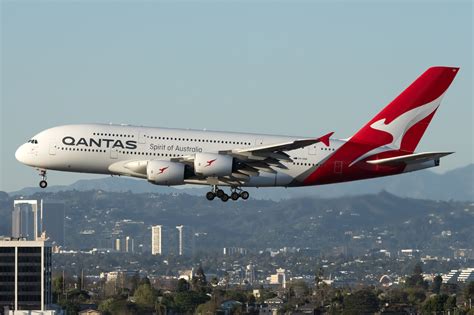
One of the most iconic Pacific crossings, Qantas’ A380 between LAX and Sydney returns twice weekly. Despite the relatively infrequent schedule, this flight is a cornerstone of transpacific connectivity, especially important for Australians traveling to the U.S. West Coast. The long block time of nearly 16 hours going westbound accounts for strong headwinds and heavy takeoff weights.
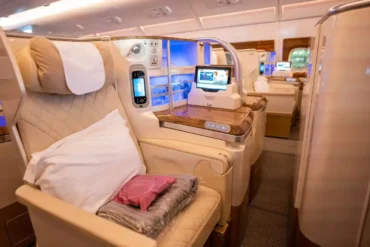
This route was once operated by Boeing 747-400s but has since become synonymous with Qantas’ A380 luxury, including its highly-rated business suites and onboard lounges. The aircraft’s vast belly capacity also makes it a major conduit for air freight between North America and Oceania.
Dubai to San Francisco – 15 Hours and 50 Minutes
Also among Emirates’ transpacific fleet is the Dubai to San Francisco (SFO) route, another daily A380 service. The route cuts across Europe and North America before finally descending into the Bay Area, traversing one of the most data-dense corridors in global aviation.
San Francisco is a crucial tech and financial hub, and Emirates has structured its departure and arrival times to support business travelers and global connectivity. This route highlights how Emirates has deployed its A380s not just for volume but for precise, route-specific strategy.
New York JFK to Seoul Incheon – 15 Hours and 40 Minutes
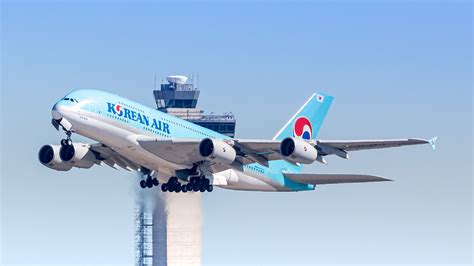
Both Asiana Airlines and Korean Air operate the JFK to Incheon (ICN) route with A380s, often twice daily combined. Spanning just under 16 hours, the flight represents a critical link between two of the world’s busiest financial centers.
The A380s are vital here for their ability to move large passenger volumes across the Pacific efficiently. The long-haul premium market is strong on this corridor, bolstered by partnerships with U.S. carriers, heavy cargo loads, and robust loyalty programs. With Korean Air and Asiana poised to merge, this route may see future schedule adjustments or aircraft upgrades.
Dubai to São Paulo – 15 Hours and 10 Minutes
The only South American destination on this list, São Paulo (GRU) sees daily A380 service from Emirates, clocking in at 15 hours and 10 minutes. This route is significant not only for its distance but for its socio-economic context. São Paulo has a large population of Japanese and Chinese heritage, and Emirates connects these communities to East Asia via Dubai.
The return flight departs Brazil in the early hours and arrives late evening in Dubai, reflecting strategic time zoning for onward Asian connections. With over 42% of connecting traffic heading to Japan and China, the route is as much about cultural and business ties as it is about distance.
Sydney to Doha – 15 Hours
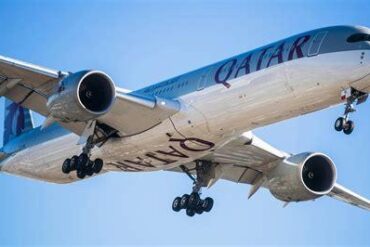
Qatar Airways maintains daily A380 service between Sydney and Doha (DOH), filling a vital role in the airline’s Oceania strategy. This route covers a massive swath of the Indian Ocean and is central to Qatar’s competitive position in the ultra-long-haul market.
Interestingly, this service now also operates via Virgin Australia under a partnership, though the latter uses a 777-300ER rather than an A380. Still, the A380 remains the flagship, offering amenities like the upper deck lounge and award-winning business class.
A380 Users and Operational Context
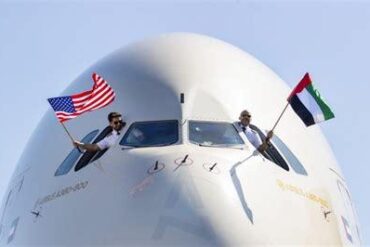
Only ten airlines continue to operate the A380 in scheduled service: Emirates, Qantas, British Airways, Lufthansa, Singapore Airlines, Qatar Airways, Asiana Airlines, Korean Air, Etihad Airways, and All Nippon Airways. Additionally, Hi Fly Malta and Global Airlines have operated secondhand A380s under charter or short-term leases, though they have no regular scheduled routes as of now.
Hi Fly’s aircraft, 9H-GLOBL and 9H-MIP, have seen intermittent use, including transatlantic charters to New York JFK. However, operational licensing constraints and market demand mean they do not contribute to the longest scheduled flights list.
Conclusion: The A380’s Legacy in Ultra-Long-Haul Aviation
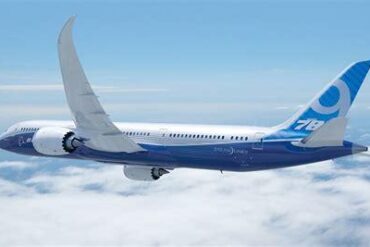
As the aviation industry tilts toward twin-engine efficiency with aircraft like the Airbus A350 and Boeing 787, the A380 stands resilient in its niche. It excels not by operating many short routes but by dominating a handful of strategic ultra-long-haul markets where slot control, passenger volume, and luxury expectations converge.
From Auckland to Dubai, Dallas to Sydney, and São Paulo to the Middle East, the A380 proves that the era of the superjumbo is not over—it has merely evolved. Airlines are using it where it matters most: long-haul, high-density corridors that demand both capacity and excellence. As international travel continues to rebound, the A380’s reign over the world’s longest flights looks far from over.