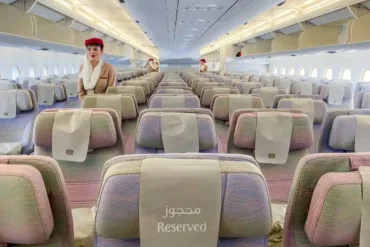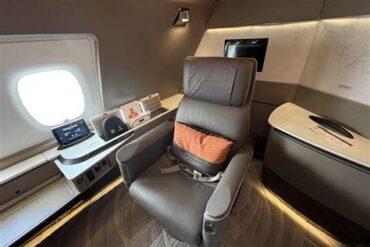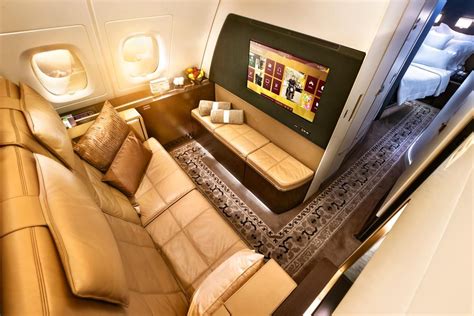
Ultra-long-haul travel sits at the frontier of modern commercial aviation. These flights stretch the limits of aircraft range, human endurance, and airline economics. When a journey lasts 17 to 19 hours without landing, the cabin you choose becomes far more than a seat—it becomes a temporary living space.
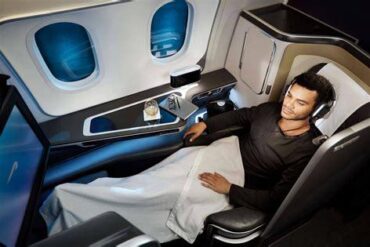
For travelers who demand the absolute best, first class on the world’s longest routes represents the highest level of comfort available in commercial aviation. It offers private suites, gourmet dining, full-length beds, and sometimes even onboard showers. Yet such luxury comes at a steep price, often reaching five-figure ticket costs.
The economics of ultra-long-haul travel reveal a fascinating balance between engineering constraints and luxury design. Airlines must juggle fuel capacity, weight limits, passenger demand, and brand prestige. As a result, not every aircraft flying the longest routes actually includes a first class cabin at all.
For the small group of passengers willing to pay for maximum comfort, the experience can feel less like flying and more like a private boutique hotel cruising at 35,000 feet.
How Much First Class Really Costs on Ultra-Long-Haul Flights
Flying first class on the world’s longest commercial routes typically costs between $15,000 and $28,000 for a round-trip ticket. These fares vary depending on airline, route popularity, aircraft type, and seasonality, but the overall range reflects the extraordinary cost of providing luxury at such extreme distances.
Routes exceeding 8,000 to 9,000 miles are among the most expensive journeys in aviation. Airlines operating these flights must carry enormous fuel loads while also maintaining premium cabin experiences that justify the ticket price.
A few routes consistently command some of the highest first-class fares in the industry.
• Dubai to Auckland – Emirates
• Sydney to Dallas – Qantas
• Dubai to Los Angeles – Emirates
• London to Sydney (via premium long-haul networks)
On the Dubai–Auckland route, one of the longest scheduled flights in the world, first class tickets frequently exceed $20,000 round trip. The journey covers roughly 8,824 miles (14,201 km) and can last nearly 17 hours depending on wind conditions.
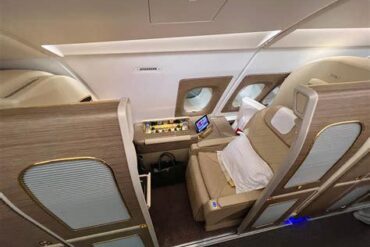
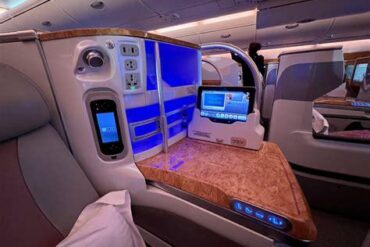
Passengers paying these prices receive extraordinary amenities. Private suites with closing doors provide complete privacy. Multi-course dining is served on demand using restaurant-quality tableware. Some aircraft even include onboard shower spas, a feature almost unheard of in commercial aviation.
The experience is designed to transform what would otherwise be an exhausting flight into something closer to a luxury hotel stay that happens to cross an ocean.
Why Many of the Longest Flights Don’t Offer First Class
Surprisingly, several of the world’s longest nonstop routes do not offer first class at all. Instead, airlines prioritize business class and premium economy cabins.
This design choice is driven by one simple reality: physics.
Aircraft flying ultra-long-haul routes must carry immense fuel loads. That fuel weight directly limits how many passengers—and how much cabin equipment—the aircraft can carry.
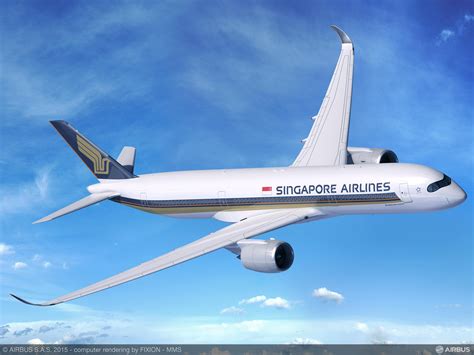
Take the Airbus A350-900ULR, the aircraft used on the nonstop flight between Singapore and New York. This route stretches approximately 9,537 miles (15,348 km) and can last over 18 hours, making it one of the longest commercial flights ever scheduled.
To achieve this range, the aircraft must carry around 165,000 liters of fuel. Fuel alone accounts for a massive portion of the aircraft’s takeoff weight.
Because of these constraints, airlines often remove heavy cabin components. First class suites are particularly problematic because they require extensive hardware: sliding doors, heavy seating mechanisms, large entertainment systems, and structural partitions.
A single first class suite can weigh over 500 kilograms once all equipment is included.
By comparison, a modern business class seat weighs roughly 80 kilograms.
The math becomes obvious quickly. Eliminating first class suites allows airlines to install more seats while staying within the aircraft’s maximum takeoff weight (MTOW) limits.
Singapore Airlines dramatically reduced the passenger count on its A350-900ULR to 161 seats, far fewer than the standard configuration. This change provides enough weight margin to carry fuel required for the ultra-long journey to North America.
Engineering Limits: The Hidden Cost of Luxury
Ultra-long-haul aviation pushes aircraft engineering to the edge of possibility. Airlines must carefully balance fuel, passenger weight, cargo, and onboard equipment.
Every aircraft has a strict maximum takeoff weight that cannot be exceeded. That total includes:
• Aircraft structure
• Crew and passengers
• Luggage and cargo
• Cabin interiors
• Fuel
Fuel requirements grow exponentially with distance. On extremely long flights, fuel can represent nearly one-third of the aircraft’s total takeoff weight.
This creates a complex optimization problem.
Heavy premium suites also affect the aircraft’s center of gravity, which plays a crucial role in aerodynamic efficiency.
First class cabins are typically located at the very front of the aircraft. Concentrating too much weight in this area shifts the center of gravity forward. Pilots must then adjust the aircraft’s trim to maintain level flight, which increases aerodynamic drag.
On short flights, the efficiency penalty is minimal. But on an 18-hour intercontinental journey, even small increases in drag translate into enormous additional fuel burn.
Airlines therefore face a trade-off between luxury and range.
Some choose to sacrifice first class entirely in order to maximize operational efficiency.
Others maintain a small first class cabin as a brand showcase.
Airlines That Still Offer First Class on Ultra-Long Flights
Despite these engineering challenges, several airlines continue to offer first class on extremely long routes. These carriers view first class not just as a seat, but as a strategic brand investment.
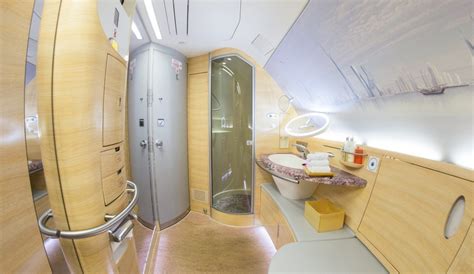
Emirates remains one of the most prominent defenders of the traditional first class cabin. Its Airbus A380 aircraft feature 14 private suites, each equipped with sliding doors, personal minibars, and full-length beds.
Passengers also gain access to onboard shower spas, making Emirates the only airline where travelers can literally take a shower while crossing an ocean.
On the Sydney to Dallas route, Qantas also operates Airbus A380 aircraft equipped with a premium first class cabin. This journey covers more than 13,800 kilometers and can last around 16 hours.
First class fares on this route often exceed $18,000 round trip, especially during peak travel seasons.
Airlines maintain these luxury cabins partly because they act as halo products. Even though first class seats represent a small fraction of total passengers, they elevate the airline’s entire brand image.
The prestige associated with a world-class first class experience helps airlines command higher fares across their business class and premium economy cabins, which generate the majority of revenue.
Project Sunrise and the Future of Ultra-Long-Haul Luxury
The next frontier of ultra-long-haul travel will arrive with Project Sunrise, an ambitious initiative designed to connect Australia directly with Europe and North America.
The plan involves flying nonstop from Sydney to London and Sydney to New York, flights expected to last up to 20 hours.
To achieve this, Qantas will operate specially configured Airbus A350-1000 aircraft with extended range capabilities.
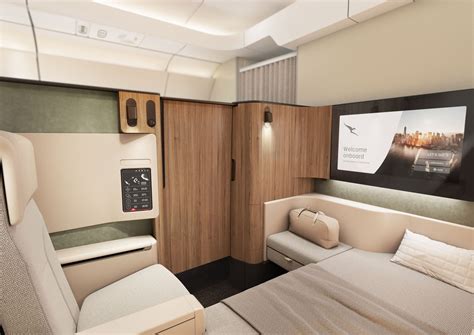
These aircraft will include just six first class suites, an intentionally limited number designed to maximize revenue from high-value passengers.
Demand for these seats is expected to be extraordinary. Executives anticipate that travelers will pay a substantial premium to avoid connecting flights.
The airline has even introduced internal policies to ensure availability for paying customers. Senior executives themselves are prohibited from using the first class suites, preserving the seats for revenue passengers.
This decision reflects the intense demand expected for the world’s longest nonstop journeys.
Why Business Class Has Become a Serious Alternative
The rise of super-premium business class has dramatically changed the value proposition of first class.
Modern business class seats now include many features once reserved exclusively for first class:
• Fully lie-flat beds
• Privacy doors
• High-thread-count bedding
• Restaurant-style dining
• Direct aisle access
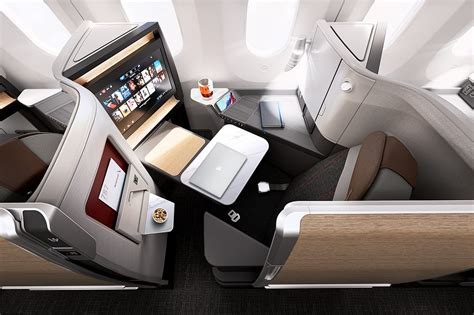
Some of the most advanced products include fully enclosed suites with large entertainment screens and adjustable lighting systems.
Business class fares on ultra-long-haul routes generally range between $8,000 and $12,000 round trip, roughly half the cost of first class.
For many corporate travelers, this price difference is difficult to justify.
While first class offers more space and greater exclusivity, the comfort gap between the two cabins has narrowed dramatically. Travelers in business class still enjoy fully flat beds and high-quality service capable of making a 17-hour flight manageable.
The remaining advantages of first class lie primarily in privacy, space, and ground services.
First class passengers often receive access to private airport lounges with fine dining, spa facilities, and sleeping rooms. Dedicated check-in counters and limousine transfers further enhance the premium experience.
When You Pay for First Class But Don’t Get It
A lesser-known complication of booking first class on ultra-long routes involves aircraft substitutions.
Airlines occasionally replace scheduled aircraft due to maintenance or operational requirements. When this happens, the replacement aircraft may not include a first class cabin.
For example, a route typically flown by an Airbus A380 might be replaced by a Boeing 787-9 or a two-class Boeing 777.
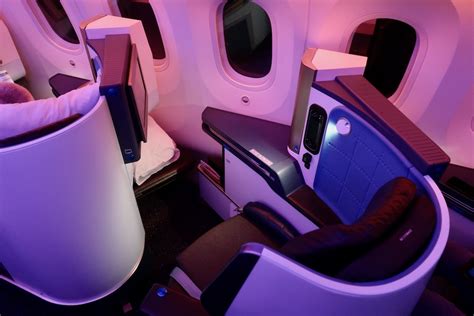
In such cases, passengers who purchased first class tickets may be downgraded to business class. Airlines usually refund the price difference, but the experience can still fall short of expectations—especially on flights lasting more than 15 hours.
Another issue involves older first class cabins still operating on some aircraft types.
Certain Boeing 777-300ER aircraft feature first class seats designed more than a decade ago. These seats may lack sliding privacy doors or updated entertainment systems found in newer suites.
Travelers spending five figures on a ticket often research aircraft configurations carefully to ensure they receive the product they expect.
Why Ultra-Long-Haul First Class Remains Rare
Despite its glamour, traditional first class is gradually becoming rarer across the aviation industry.
Airlines increasingly prefer aircraft layouts that emphasize business class and premium economy. These cabins offer a better balance between passenger comfort and operational efficiency.
Modern widebody aircraft such as the Airbus A350 and Boeing 787 Dreamliner were designed with this strategy in mind. Their lighter composite structures and fuel-efficient engines make them ideal for ultra-long routes—but their cabin layouts typically prioritize two-class configurations.
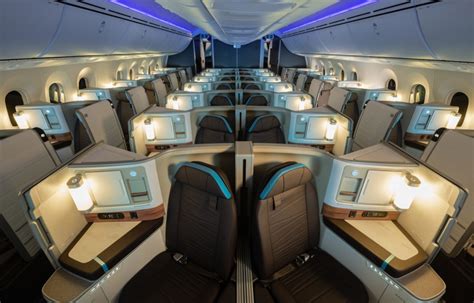
Instead of traditional first class suites, many airlines are introducing business-plus products. These seats combine the privacy and comfort of first class with the weight efficiency of business class.
Examples include enclosed suites, larger beds, and upgraded service packages.
This shift allows airlines to deliver premium experiences without sacrificing the payload capacity required for extremely long flights.
The Future of Luxury at 40,000 Feet
The future of ultra-long-haul luxury travel will likely revolve around lighter, more efficient premium cabins.
New aircraft models such as the upcoming Boeing 777-9 promise greater range and higher efficiency. These improvements could make it easier for airlines to reintroduce larger first class suites on very long routes.
Advances in cabin materials are also reducing the weight of premium seating components. Lighter composite structures and smarter engineering could eventually allow airlines to install luxury suites without compromising fuel efficiency.
Even as the number of first class seats shrinks, the overall quality of premium travel continues to improve.
Ultra-long-haul flights represent one of the most fascinating intersections of engineering, economics, and human comfort. They demonstrate how modern aviation constantly negotiates between physics and luxury.
For the fortunate few who can afford the experience, flying first class on these routes offers something remarkable: the ability to cross half the planet in a single leap while enjoying the privacy and comfort of a flying luxury apartment.
The price may reach $20,000 or more, but for travelers stepping off a 19-hour flight refreshed and ready for business, the investment can feel entirely justified.