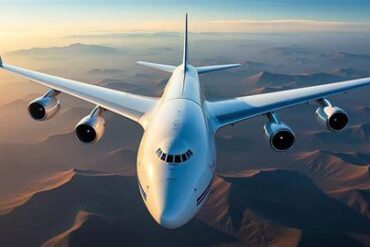
The age of four-engine passenger aircraft is no longer fading—it is quietly dissolving into aviation history. Once the undisputed kings of long-haul travel, these engineering marvels symbolized ambition, redundancy, and sheer power. Today, they are rare, deliberate choices rather than default solutions, preserved by a shrinking circle of airlines balancing nostalgia, necessity, and network realities.
Twin-engine aircraft have rewritten the economics of flight. They are more fuel-efficient, easier to maintain, and capable of flying farther than ever before. Yet, despite this technological shift, a select group of airlines continues to operate quadjets—not as relics, but as strategic assets where capacity, prestige, or infrastructure constraints still demand them.
What remains is an exclusive club of carriers that have either found a niche for these aircraft or are navigating the long goodbye with calculated patience.
Why Quadjets Still Matter in a Twin-Engine World
The logic behind keeping four engines alive in 2026 is less about sentiment and more about precision. High-density routes, constrained airport slots, and premium-heavy markets still reward aircraft like the Airbus A380 and Boeing 747. These jets move more passengers per slot, a crucial advantage at congested hubs like London Heathrow, Tokyo Narita, and Singapore Changi.
At the same time, delayed aircraft deliveries—particularly the Boeing 777-9—have forced airlines to stretch the lifespan of their quadjets. Retirement plans drawn up years ago now sit in limbo, rewritten by supply chain realities and resurgent travel demand.
Still, the trajectory is unmistakable: every remaining quadjet operator is either winding down or carefully managing a finite fleet.
All Nippon Airways: A380s with a Singular Mission
All Nippon Airways (ANA) stands out for its unusually focused use of the Airbus A380. Rather than deploying the aircraft across a broad network, ANA dedicates its three superjumbos exclusively to the Tokyo Narita–Honolulu route. This is not inefficiency—it is surgical precision.
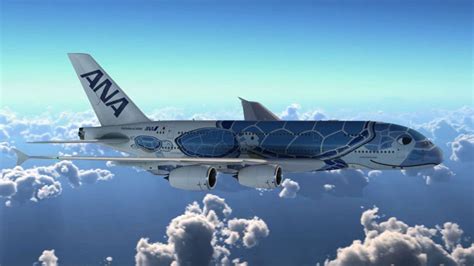
The aircraft themselves are among the youngest A380s in the world, delivered between 2019 and 2020. Their vibrant “Flying Honu” liveries have become iconic, transforming a high-capacity aircraft into a marketing centerpiece. With just three units, ANA maintains a delicate balance: one in operation, one rotating, and one available for maintenance.
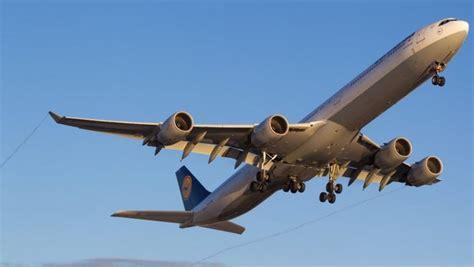
SWISS: Quietly Phasing Out the Airbus A340
Swiss International Air Lines operates a small but significant fleet of Airbus A340-300s, now reduced to four aircraft. These jets once formed the backbone of its long-haul operations, but their role is steadily shrinking.
The arrival of the Airbus A350-900 marks a turning point. More efficient and technologically advanced, the A350 is gradually replacing the A340 fleet. SWISS has already retired the majority of its quadjets, signaling a near-term exit from four-engine operations.
Air China: The Last Dual Operator of the 747
Air China occupies a rare position in modern aviation. It remains one of the only airlines operating both the Boeing 747-400 and the more advanced 747-8 in passenger service.
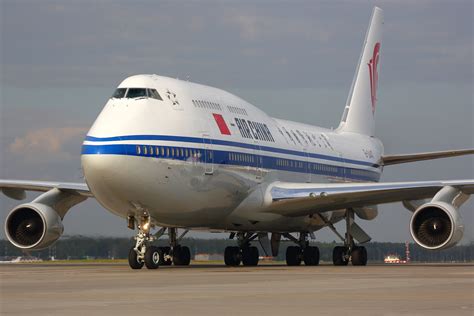
While the older 747-400s are on the verge of retirement, the 747-8 fleet continues to serve long-haul routes. Some of these aircraft are configured for VIP transport, reflecting the aircraft’s enduring prestige in government and diplomatic roles.
This dual operation underscores a transitional phase—one foot in the past, the other cautiously stepping forward.
Asiana Airlines: A Fleet Awaiting Absorption
Asiana Airlines still operates six Airbus A380s, but its independent identity is nearing its end. The airline is being absorbed into Korean Air, and with that integration comes a unified fleet strategy.
The A380s, delivered between 2014 and 2016, are relatively young by aviation standards. Yet their future is uncertain. Korean Air has already signaled its intention to phase out quadjets, though delivery delays have bought these aircraft additional time in the sky.
Qatar Airways: A Reluctant A380 Operator
Few airlines have been as outspoken about the Airbus A380 as Qatar Airways. The airline famously labeled the aircraft its “biggest mistake,” yet continues to operate it out of necessity.
With six A380s currently active, Qatar Airways relies on them to bridge a capacity gap while awaiting newer aircraft like the A350-1000 and the delayed 777-9. The expectation is clear: once replacements arrive, the A380 will exit swiftly.
Etihad Airways: A Strategic Reversal
Etihad Airways once planned to retire its entire A380 fleet. Then reality intervened.
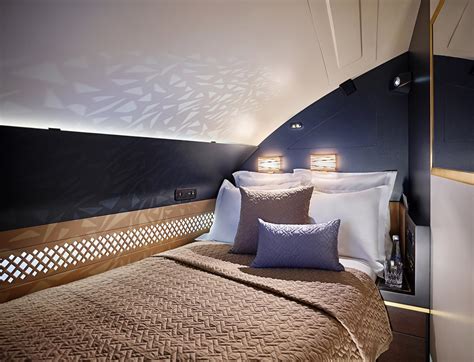
The airline is now reactivating previously grounded aircraft, extending their service life potentially into the early 2030s. This reversal highlights a broader industry pattern: decisions made during downturns are being re-evaluated in the face of renewed demand.
Etihad’s A380s, particularly those featuring “The Residence,” continue to serve as premium flagships.
Qantas: Bridging the Ultra-Long-Haul Gap
Qantas operates ten Airbus A380s, primarily on high-profile routes such as Sydney–London via Singapore. These aircraft act as a bridge until the arrival of the Airbus A350-1000ULR, which promises non-stop ultra-long-haul capability.
The A380’s role here is transitional but essential. It provides capacity and range in a network that is pushing the boundaries of long-distance travel.
Korean Air: Expansion Before Contraction
Korean Air presents a unique case. Its quadjet fleet is temporarily expanding due to the integration of Asiana Airlines. This creates a short-term increase in four-engine aircraft before a longer-term decline.
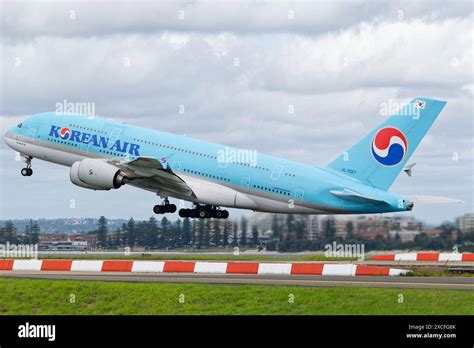
Currently operating both A380s and 747-8s, Korean Air plans to retire these aircraft gradually, with timelines extending into the early 2030s. The airline’s strategy reflects a balancing act between fleet consolidation and operational continuity.
Singapore Airlines: The A380 Pioneer Scaling Back
As the launch customer of the Airbus A380, Singapore Airlines once operated one of the largest fleets of these aircraft. Today, that number has been halved to 12.
Despite the reduction, the A380 remains central to the airline’s premium-heavy routes. However, the arrival of the Boeing 777-9—whenever it finally enters service—will likely mark the beginning of the end for Singapore’s quadjets.
British Airways: A380s Built for Heathrow
British Airways has fully committed to the Airbus A380 as its sole quadjet. With 12 aircraft in service, it operates one of the largest remaining fleets.
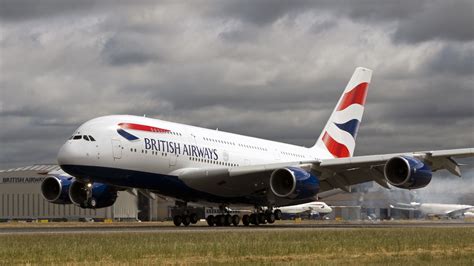
The aircraft is ideally suited to Heathrow’s slot constraints, allowing the airline to maximize passenger numbers without increasing flight frequency. British Airways is even investing in upgraded interiors, signaling confidence in the A380’s medium-term role.
The Remaining Operators: A Shrinking Circle
Beyond the major players, a handful of additional airlines continue to operate quadjets in smaller numbers. These fleets are often highly specialized, serving niche routes or fulfilling specific operational needs.
What unites them is not scale, but timing. Each is navigating the same question: how long can these aircraft remain viable in an industry rapidly moving on?
The Inevitable Sunset of Four Engines
The decline of four-engine passenger jets is not abrupt—it is methodical. Each retirement, each delayed replacement, each strategic redeployment contributes to a gradual fading rather than a sudden disappearance.
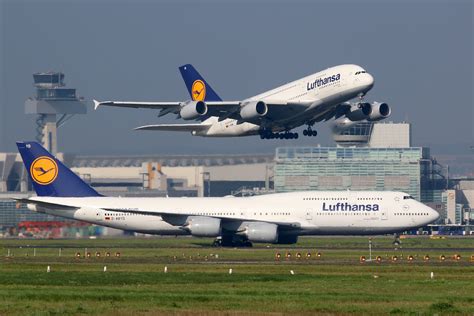
Yet, for now, these aircraft still command attention. They dominate airport gates, redefine onboard luxury, and carry a legacy that newer aircraft, for all their efficiency, have yet to replicate in spirit.
Their future may be limited, but their presence remains unmistakable.