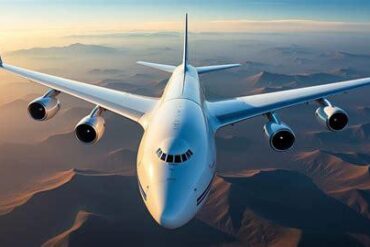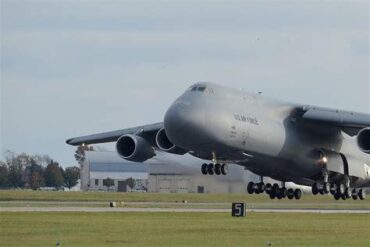
The modern aviation industry is defined by an unrelenting pursuit of efficiency, range, and payload dominance. At the heart of that pursuit lies one critical design element: wingspan. The wider the wings, the greater the lift-to-drag ratio, enabling aircraft to fly farther, carry heavier loads, and burn less fuel per passenger mile. In today’s era of ultra-long-haul travel and high-capacity operations, wingspans have quietly become one of the most decisive engineering battlegrounds.
From next-generation twinjets to legacy icons still commanding respect in the skies, the largest commercial aircraft today represent the peak of aerodynamic innovation and economic optimization. These machines are not just big—they are strategically engineered platforms designed to reshape global connectivity.
Why Wingspan Defines Modern Aviation Efficiency
Aircraft wings are no longer just structural appendages; they are precision-engineered aerodynamic systems. A larger wingspan allows for higher aspect ratios, reducing induced drag and improving fuel efficiency—especially critical during long-haul cruise phases where airlines spend the majority of operating costs.
This is precisely why manufacturers like Airbus and Boeing continue pushing the limits. The result? Aircraft that can fly farther with fewer engines, carry more passengers, and operate profitably even in volatile fuel markets.
Yet, wingspan expansion is not without its trade-offs. Airport compatibility, gate limitations, and taxiway constraints impose strict design ceilings. Some aircraft, like the revolutionary Boeing 777X, have introduced folding wingtips—a bold solution to bypass infrastructure constraints without sacrificing aerodynamic advantage.
6. Airbus A350-1000 — Precision Engineering Meets Long-Haul Mastery (212 ft)
The Airbus A350-1000 stands as one of the most refined long-haul aircraft ever built. With a wingspan exceeding 212 feet, it embodies Airbus’ vision of a clean-sheet, next-generation twinjet designed from the ground up for efficiency and passenger comfort.
Powered by the formidable Rolls-Royce Trent XWB-97 engines, the A350-1000 delivers exceptional thrust while maintaining remarkably low fuel consumption. Its extensive use of carbon-fiber composites not only reduces weight but also enhances structural integrity and corrosion resistance.
The aircraft is set to redefine ultra-long-haul travel through initiatives like Project Sunrise, where Qantas plans to operate nonstop flights from Australia to Europe and North America—journeys exceeding 22 hours in duration.
Passenger experience is equally transformative. The Airspace cabin introduces:
- Lower cabin altitude (6,000 ft equivalent) to reduce fatigue
- Rapid air circulation cycles improving onboard air quality
- Advanced LED lighting systems that simulate natural daylight rhythms
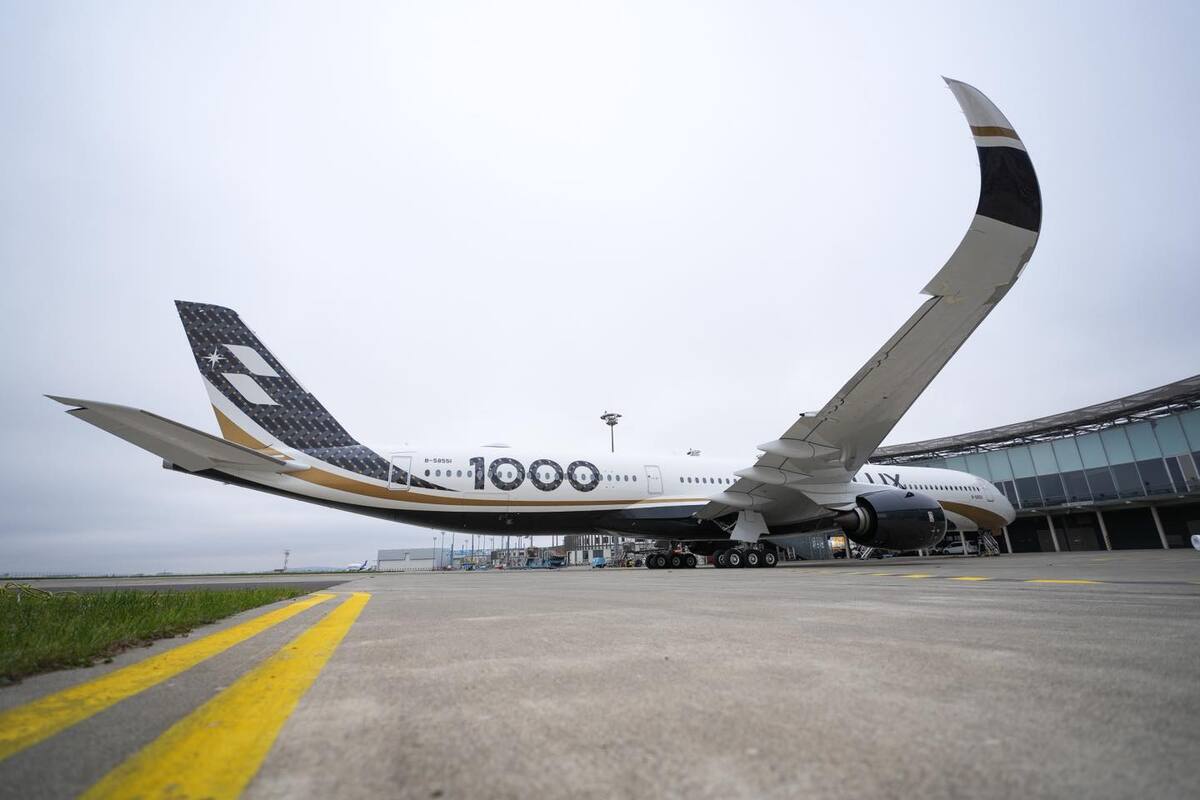
The result is an aircraft that doesn’t just travel farther—it ensures passengers arrive less exhausted and more comfortable, redefining expectations for long-haul flying.
5. Boeing 777-300ER — The Aircraft That Changed the Rules (212 ft)
The Boeing 777-300ER is more than just a large aircraft—it is a turning point in aviation history. Sharing a similar wingspan with the A350-1000, it played a pivotal role in ending the dominance of four-engine long-haul jets.
Before its arrival, aircraft like the Boeing 747 were essential for transoceanic routes. The 777-300ER changed that paradigm by proving that two engines could deliver superior efficiency and reliability.
At its core are the legendary General Electric GE90-115B engines—once the most powerful commercial engines ever built. Combined with its expansive wing design, the aircraft achieved unprecedented ETOPS (Extended-range Twin-engine Operational Performance Standards) capabilities.
This innovation translated into:
- 20–25% fuel savings compared to quadjets
- Up to 40% lower maintenance costs
- Increased operational flexibility for airlines

The 777-300ER didn’t just compete—it rewrote the economics of long-haul aviation, making it one of the most influential aircraft ever produced.
4. Boeing 747-8 — The Last Evolution of a Legend (224 ft)
The Boeing 747-8 represents the final chapter of the iconic 747 lineage. With a wingspan stretching beyond 224 feet, it remains one of the largest aircraft still flying in commercial service.
Although passenger operations are gradually declining, the 747-8 continues to thrive in the cargo sector. Its distinctive nose-loading door and immense payload capacity—up to 140 tons—make it indispensable for global logistics.
Despite the closure of its production line in 2023, the aircraft’s legacy endures. Its elongated fuselage even surpasses its wingspan, highlighting the scale of its design.

In an era increasingly dominated by twin-engine efficiency, the 747-8 remains a symbol of aviation grandeur, proving that size and capability still have a place in specialized roles.
3. Boeing 777-9 — Folding Wings and Future Dominance (235 ft)
The Boeing 777-9 is poised to become a game-changing force in commercial aviation. With a staggering wingspan of 235 feet, it introduces a revolutionary feature: folding wingtips.
This innovation allows the aircraft to maintain compatibility with existing airport infrastructure while benefiting from enhanced aerodynamic efficiency during flight.
Powered by the next-generation General Electric GE9X engines, the 777-9 delivers unmatched performance. Its fan diameter alone rivals the width of a narrowbody fuselage, emphasizing the scale of its engineering.
Key advancements include:
- 20% lower fuel consumption compared to predecessors
- Composite wing structures for increased flexibility
- Enhanced passenger comfort inspired by the 787
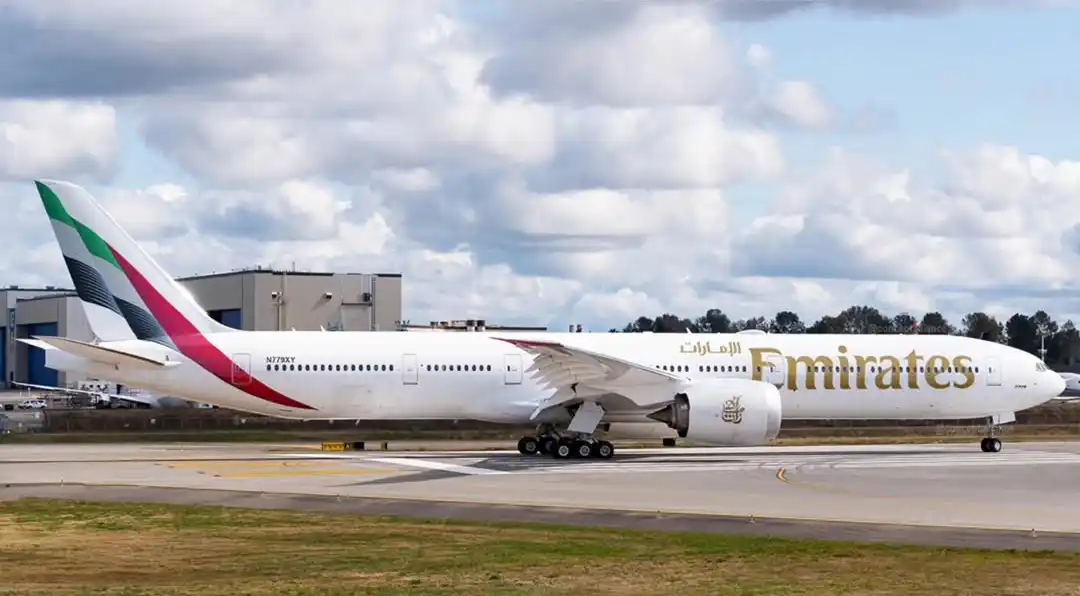
Though delayed, the aircraft’s eventual entry into service is expected to reshape long-haul fleet strategies, offering a compelling alternative to aging quadjets.
2. Antonov An-124 Ruslan — The Heavy-Lift Titan (240 ft)
Originally developed for military logistics, the Antonov An-124 Ruslan now operates as one of the most powerful commercial cargo aircraft in existence. Its 240-foot wingspan supports a staggering payload capacity of up to 150 tons.
Operated by entities like Antonov Airlines, the An-124 plays a critical role in transporting oversized and strategic cargo, including helicopters, armored vehicles, and industrial equipment.
Its cavernous cargo hold—over 120 feet long—enables missions that no other aircraft can perform with equal efficiency.

Geopolitical tensions have impacted its global operations, yet the aircraft remains indispensable in specialized heavy-lift logistics, bridging capabilities no modern twinjet can fully replicate.
1. Airbus A380-800 — The Undisputed Wingspan Champion (261 ft)
At the pinnacle stands the Airbus A380-800, boasting an unmatched wingspan of 261 feet. It is not only the widest commercial aircraft ever built but also the largest passenger airliner in history.
With two full-length passenger decks, the A380 can carry over 500 passengers in standard configurations, and up to 850 in all-economy layouts. Despite its immense size, it delivers an exceptionally quiet and smooth flying experience.
Airlines like Emirates have embraced the A380 as a flagship, investing heavily in cabin upgrades to extend its operational life well into the 2040s.
Technologically, the aircraft was ahead of its time:
- Extensive use of composite materials
- Advanced fly-by-wire flight control systems
- Aerodynamic refinements for improved efficiency
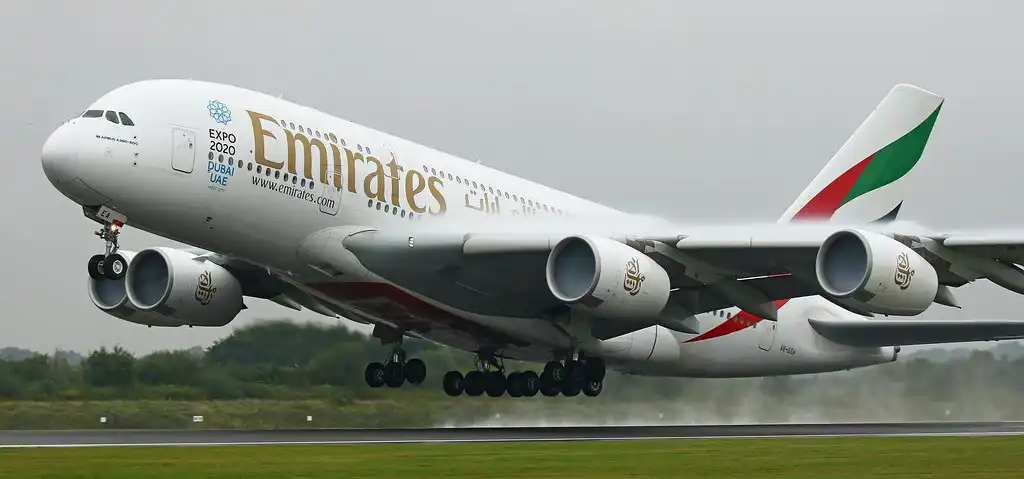
Though production ended in 2021, the A380 continues to dominate high-density routes, proving that size, when paired with demand, still delivers unmatched value.
The Evolution of Wingspan: Where Engineering Meets Economics
The trajectory of aircraft wingspan growth reflects a deeper transformation within aviation. The shift from four engines to two, the rise of composite materials, and the integration of digital flight systems have all contributed to a new generation of aircraft that are larger, smarter, and more efficient.
Yet, the future may not simply be about going bigger. Innovations like folding wings, hybrid propulsion systems, and sustainable fuels suggest that the next frontier lies in adaptive efficiency rather than sheer scale.
What remains undeniable is that these six aircraft represent the absolute edge of commercial aviation capability today. Each one tells a story of engineering ambition, economic strategy, and the relentless drive to connect the world more efficiently.
And as the next generation takes shape, one thing is certain: the skies will continue to be dominated by machines that push the limits of how wide, how far, and how efficiently humanity can fly.