Aviation has always been a story of ambition stretched across the horizon—quite literally. As engineers pushed boundaries in range, payload, and efficiency, wings became more than just lifting surfaces; they evolved into monumental structures of engineering prowess. The largest wingspans ever built are not simply about scale—they represent strategic necessity, technological innovation, and sometimes sheer audacity.
From Cold War bombers to futuristic space-launch platforms, these aircraft embody the extremes of design philosophy. Their immense wings allow them to carry heavier loads, fly farther, and operate in roles that smaller aircraft could never fulfill. What follows is a deep exploration of seven extraordinary machines whose wings have rewritten the limits of flight.
Convair B-36 Peacemaker: The Piston-Powered Titan
The Convair B-36 Peacemaker emerged from a moment of existential urgency. Conceived before the United States entered World War II, it was designed to strike targets across continents without relying on forward bases. The result was a machine so large and complex that it almost feels like a bridge between two eras of aviation.
With a wingspan of 230 feet (70.1 meters), the B-36 still holds the record as the largest wingspan of any combat aircraft ever built. Its six rear-mounted “pusher” propellers gave it a distinctive silhouette, while later variants added four jet engines—creating a remarkable ten-engine hybrid.
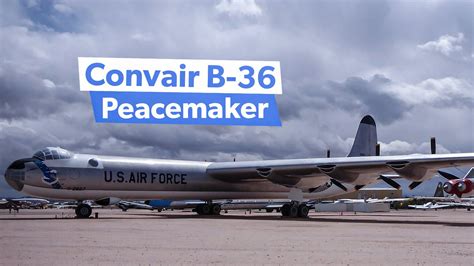
Despite its size and power, the B-36 never saw combat. Instead, it became a cornerstone of early Cold War nuclear deterrence. It could carry the largest nuclear weapons of its time across intercontinental distances, a capability unmatched in its era. However, rapid advancements in jet technology soon rendered it obsolete, and by the late 1950s, it quietly exited the stage—an aging giant overshadowed by faster, more efficient bombers.
Boeing 777X: Folding Wings for a New Era
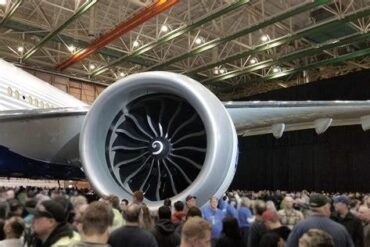
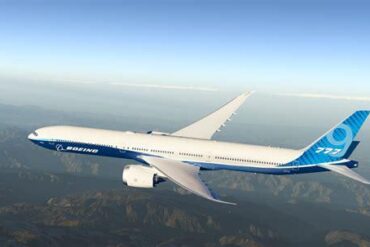
Modern aviation rarely embraces extremes without compromise, yet the Boeing 777X manages to do exactly that. With a wingspan of 235 feet 5 inches (71.75 meters), it boasts the widest wing ever built by Boeing. Its defining innovation is its folding wingtips.
This clever feature allows the aircraft to operate at existing airport gates, avoiding the need for costly infrastructure upgrades. The 777X’s carbon-composite wings are not only longer but also lighter, stronger, and more aerodynamically efficient.
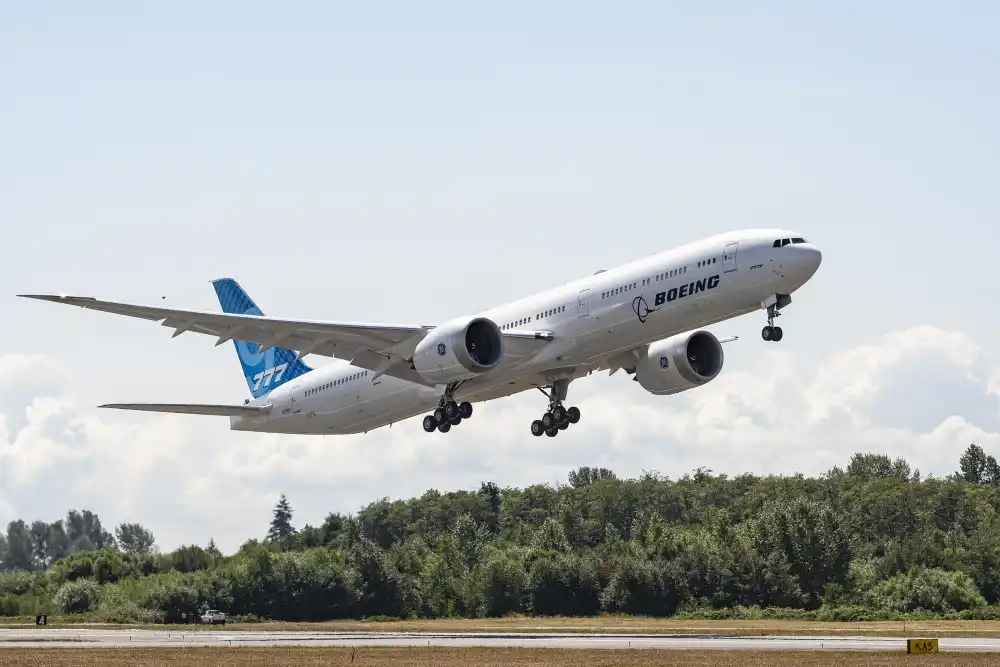
The aircraft reflects a shift in design philosophy. Instead of forcing airports to adapt, engineers designed the aircraft to fit within current systems. Its extended wings improve fuel efficiency and range, making it one of the most advanced commercial airliners entering service.
Antonov An-124 Ruslan: The Heavyweight Workhorse
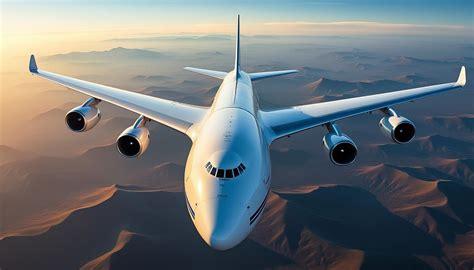
If any aircraft represents sheer utility at scale, it is the Antonov An-124 Ruslan. Developed during the Cold War to compete with American heavy airlifters, the An-124 combines immense strength with operational flexibility.
Its wingspan of 240 feet 6 inches (73.3 meters) supports a payload capacity of up to 150 tons, making it one of the most capable cargo aircraft still flying today. Over time, it has become indispensable for transporting oversized and heavy cargo across the globe.
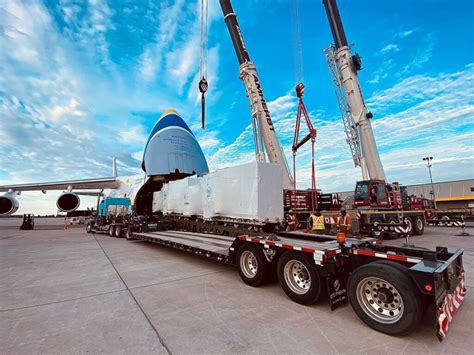
The aircraft incorporates advanced materials such as titanium and composites, along with a hybrid fly-by-wire control system. Its large cargo hold, combined with front and rear loading access, allows it to handle cargo that would be impossible for most other aircraft. The An-124 remains a backbone of global heavy logistics operations.
Airbus A380: The Double-Deck Giant
The Airbus A380 stands as one of the most iconic aircraft ever built. With a wingspan of 261 feet 8 inches (79.8 meters), it pushes the limits of airport infrastructure while redefining passenger travel.
Unlike cargo-focused giants, the A380 was designed to move people—hundreds at a time. Its full-length double deck enables it to carry up to 853 passengers in a high-density configuration, though most airlines opt for fewer seats to enhance comfort.
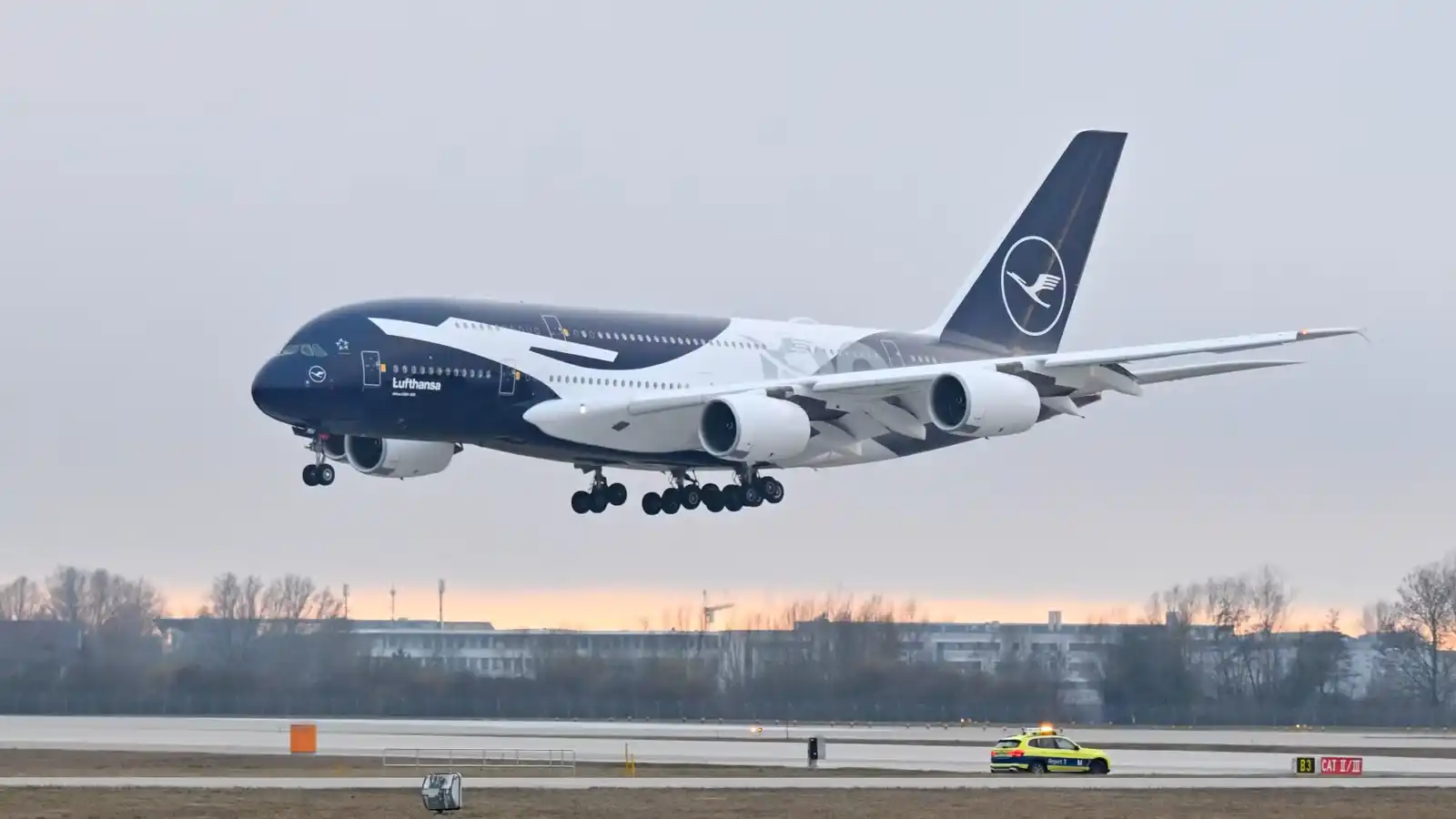
Its wings are not only long but also exceptionally large in surface area, exceeding 9,100 square feet. This massive wing supports a maximum takeoff weight of 575 tons, the highest of any passenger aircraft. Even after production ended, the A380 remains a symbol of ambition and engineering excellence in commercial aviation.
Antonov An-225 Mriya: The Dream That Carried the Impossible
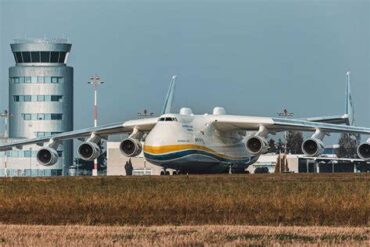
Few aircraft have captured global imagination like the Antonov An-225 Mriya. With a wingspan of 290 feet (88.4 meters), it was designed to transport components of the Soviet space program, including the Buran spacecraft.
Derived from the An-124, the Mriya was extended and reinforced, with two additional engines and a distinctive twin-tail configuration. These changes allowed it to carry massive external loads with stability and efficiency.

After the fall of the Soviet Union, the aircraft transitioned into commercial cargo service. It became the go-to solution for transporting extremely heavy and oversized cargo, with a payload capacity exceeding 250 tons. Its destruction in 2022 marked a significant loss, but its legacy continues to inspire aviation enthusiasts worldwide.
Hughes H-4 Hercules: The Wooden Colossus
The Hughes H-4 Hercules, famously nicknamed the “Spruce Goose,” remains one of the most unusual aircraft ever constructed. Built primarily from wood due to wartime material restrictions, it achieved a wingspan of 320 feet 11 inches (97.51 meters).
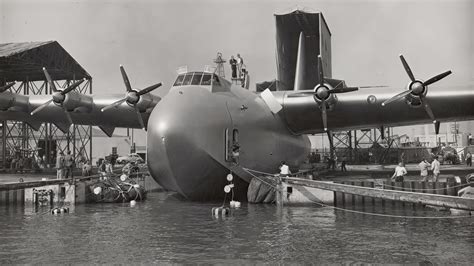
Despite its immense size, the aircraft flew only once in 1947. That brief flight demonstrated its potential, but changing circumstances rendered it unnecessary. What makes the H-4 remarkable is not just its size, but the ingenuity required to build such a massive aircraft from unconventional materials. Today, it stands preserved as a symbol of visionary engineering.
Scaled Composites Stratolaunch Roc: The Ultimate Wingspan Champion
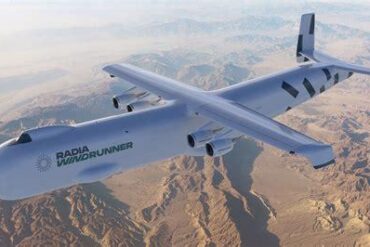
At the top of the list stands the Scaled Composites Model 351 Stratolaunch, known as Roc. With an extraordinary wingspan of 385 feet (117 meters), it holds the record as the largest aircraft ever built by wingspan.
Its twin-fuselage design, connected by a massive central wing, gives it a striking and unconventional appearance. Powered by six engines originally used on Boeing 747 aircraft, Roc was designed to launch rockets from high altitude.
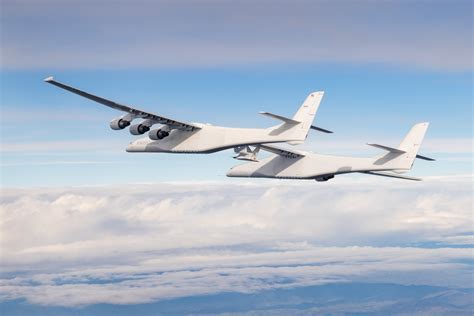
Today, its mission has evolved to support hypersonic testing. With a maximum takeoff weight of 590 tons and a payload capacity comparable to the largest cargo aircraft, Roc represents a bold step into the future of aerospace innovation.
Why Wingspan Remains a Defining Metric in Aviation
Wingspan is far more than a simple measurement—it reflects an aircraft’s purpose and capability. Longer wings generally improve aerodynamic efficiency, enabling greater lift and reduced drag. This is why modern aircraft increasingly favor extended wings, even as engineers work to overcome the structural and operational challenges they introduce.
Each aircraft on this list tells a different story. Some were built for war, others for commerce, and a few for pushing the boundaries of science itself. Together, they illustrate how aviation continues to evolve, driven by the relentless pursuit of performance, efficiency, and possibility.