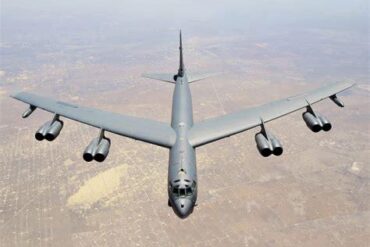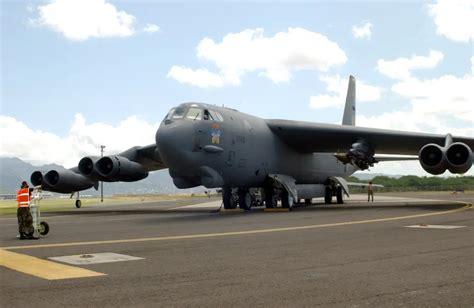
In a world of rapid technological advancement and ever-shifting defense strategies, one aircraft has stubbornly refused to fade into history. The Boeing B-52 Stratofortress, a Cold War-era giant first introduced in the 1950s, is poised to become the first jet-powered aircraft to achieve a century of continuous service. While newer bombers have come and gone, plagued by limitations and high costs, the B-52 remains the enduring cornerstone of America’s long-range strike capability. Its survival and continued relevance are not just testaments to its design — they reflect strategic necessities, modernization efforts, and the complexities of 21st-century warfare.
A Century of Service: The B-52’s Unexpected Legacy
When the B-52 took flight in 1952, few could have imagined it would still be a linchpin of U.S. airpower over seventy years later. Yet as we look toward the 2050s, the aircraft stands on the brink of a milestone no other jet-powered bomber has come close to achieving: 100 years in continuous military service.
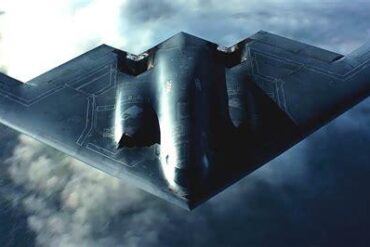
The longevity of the B-52 is not merely a byproduct of sentimentality or historical prestige — it’s a result of necessity. Successor aircraft such as the B-1 Lancer and the stealth B-2 Spirit failed to supplant the B-52 due to operational inefficiencies, prohibitive costs, and technological complexity. Although the Air Force planned for 244 B-1s, only about 100 entered service. The B-2 program fared even worse, with only 21 out of 132 planned units delivered. Both platforms suffered from lower readiness rates compared to the rugged and dependable Stratofortress.
Superior Reliability in a World of Failures
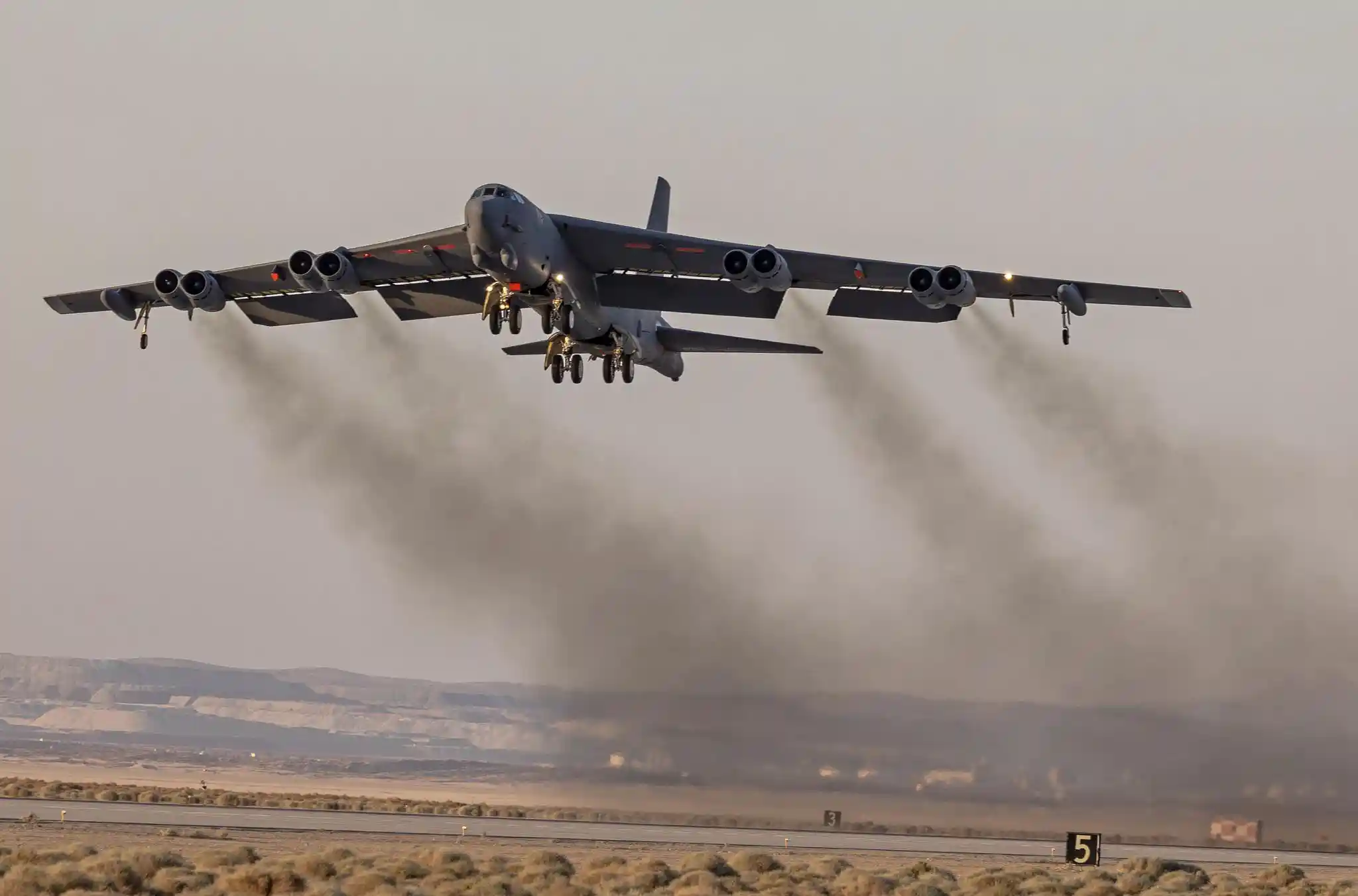
In 2019, the B-52 fleet boasted a combat readiness rate of over 66%, compared to just 46% for the B-1 and 60% for the B-2. Even with aging parts and mid-century engineering, the Stratofortress has proven to be remarkably resilient. This is due in large part to its simple yet powerful airframe, which, unlike its more fragile successors, has stood the test of time — and warfare.
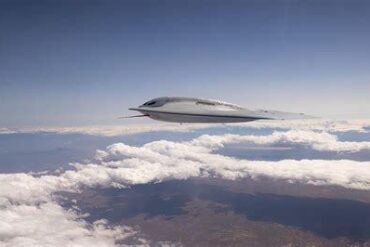
Today, the U.S. Air Force plans to maintain a bomber force centered around just two aircraft: the B-21 Raider and the modernized B-52. At least 100 B-21s will enter service, but 76 B-52s are slated to stay operational well into the middle of the 21st century. As retired F-16 pilot Heather Penney observed, the Air Force is essentially “asking geriatric B-52s to be that backbone while we’re waiting for the B-21.” That stark reality reflects both the limits of innovation and the unmatched utility of the B-52.
Modernization: A New Brain, New Heart, Same Steel Soul
The U.S. military is not just relying on the B-52’s original capabilities. A $48.6 billion modernization initiative is transforming this Cold War relic into a 21st-century strike platform. The centerpiece of this upgrade is the Rolls-Royce F130 engine, which will replace the 1960s-era Pratt & Whitney TF33s. The F130 offers increased fuel efficiency, extended range, and lower maintenance requirements, marking a leap in reliability and performance.
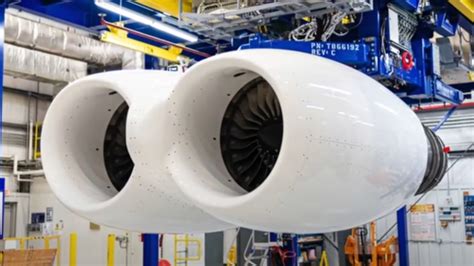
These new engines are just one part of the overhaul. Other enhancements include:
- Active electronically scanned array (AESA) radar systems for superior targeting and threat detection.
- Digital cockpit displays to replace outdated analog controls.
- Advanced communication suites for improved coordination with modern forces.
Flight tests for the new engine-equipped B-52s are expected by 2028, setting the stage for the Stratofortress’s final evolution.
Not Just Surviving — Still Dominating
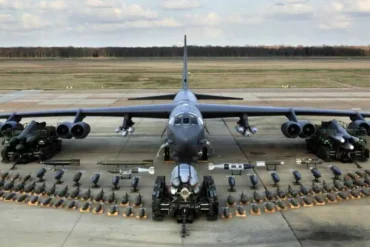
Even in an era dominated by stealth bombers and hypersonic missiles, the B-52 retains unique capabilities that make it indispensable. It remains one of the only aircraft platforms capable of deploying naval mines, launching hypersonic weapons, and executing 100-hour missions — a duration that pushes even modern airframes to the edge.
While no single B-52 airframe will reach 100 years of age — most operational units were built in the early 1960s — the design lineage and operational philosophy will. This consistency offers not only a symbolic legacy but also a strategic backbone for a military adapting to emerging global threats.
The Challenges of Aging Gracefully
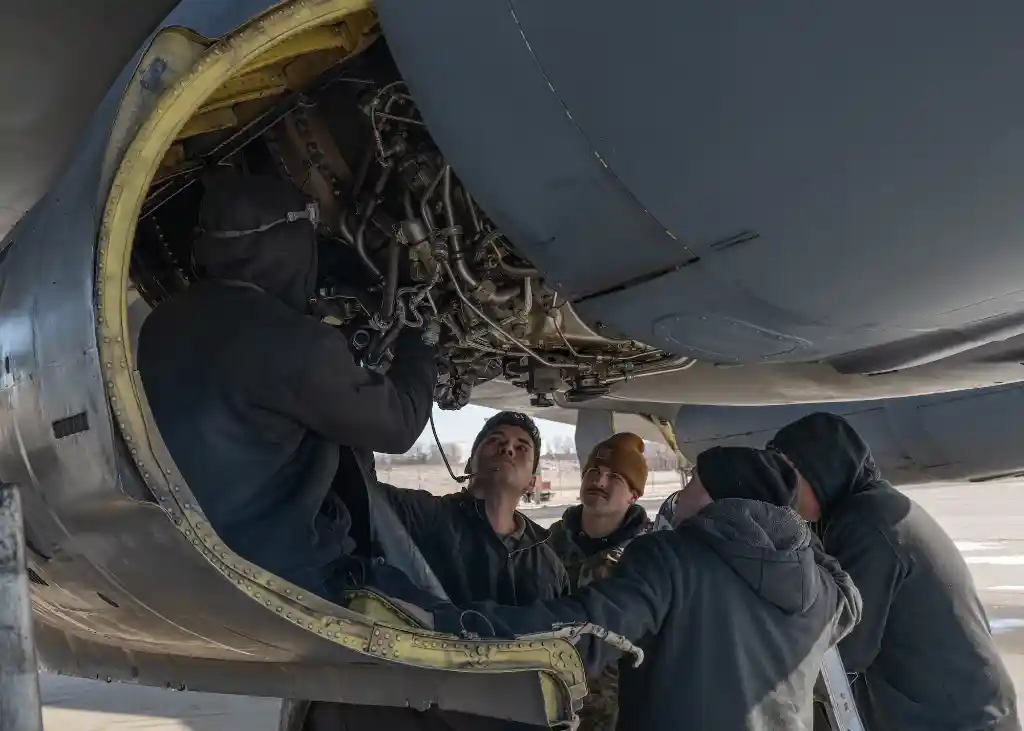
Still, operating a bomber designed during the Eisenhower administration is not without challenges. The B-52’s mission-capable rate has declined, slipping from 78% in 2012 to 59% in 2022. Maintenance crews frequently uncover hidden issues during pre-flight checks, a reality of operating legacy systems.
Parts sourcing has also become problematic. Many components for the original engines and avionics are no longer in production, forcing the Air Force to cannibalize aircraft or rely on bespoke fabrication. According to Pentagon estimates, up to 40% of the bomber fleet could fall below operational thresholds during wartime if modernization fails.
Strategic Imperative: Long-Range Strike is Nonnegotiable
The stark truth is this: America cannot afford to retire the B-52 until the B-21 Raider is fully operational and proven. Given the complexities of stealth technology and procurement hurdles, the B-21’s full deployment could take years — if not decades. In the meantime, the Air Force needs a reliable, flexible, and battle-tested platform.
Experts like Penney argue that long-range strike capability remains “absolutely nonnegotiable” in deterring modern threats. That means modernizing the B-52 isn’t a luxury — it’s a necessity.
Conclusion: The Aircraft That Refused to Die
The B-52’s march toward its 100th birthday is not a quirk of military nostalgia but a calculated decision rooted in engineering excellence, fiscal pragmatism, and strategic necessity. It has outlived multiple generations of aircraft, adapted to modern threats, and proven itself irreplaceable in a military that increasingly values reliability over novelty.
The Stratofortress is more than just a bomber — it is a living relic of American airpower, reborn for a new age. In the skies of the 2050s, as other platforms come and go, the silhouette of the B-52 will remain — unchallenged, unyielding, and unmatched.