Plane spotting is one of the most captivating and elusive hobbies for aviation enthusiasts, and while common aircraft grace the skies daily, a select few are so rare that spotting them becomes a once-in-a-lifetime experience. In this article, we delve into the top 10 rarest aircraft to photograph, showcasing machines that embody rarity, history, and technical intrigue.
The allure of these aircraft lies not only in their limited numbers but also in their unique roles, historical significance, or geographic inaccessibility. Capturing one on camera demands patience, precision, and often, global travel.
Antonov An-225 ‘Mriya’: The World’s Largest Cargo Aircraft
The Antonov An-225 Mriya was the crown jewel of heavy-lift aviation. With its unparalleled dimensions—a wingspan of 88.4 meters and a maximum takeoff weight of 640 tonnes—this Ukrainian-built behemoth was designed to carry outsized loads that no other aircraft could. Photographers flocked to any airport large enough to accommodate it, but its appearances were unpredictable, driven by demand for its extraordinary capabilities. Tragically, the An-225 was destroyed in 2022 during the Russian invasion of Ukraine, making existing photographs even more priceless.

Air Koryo’s Fleet: North Korea’s Flying Museum
North Korea’s Air Koryo offers one of the rarest plane spotting opportunities in the world. As the only airline of a hermit kingdom, its fleet is a relic of Soviet-era aviation, including aircraft like the Tupolev Tu-134 and Ilyushin Il-62. Regular operations are limited, with routes primarily to China, and geopolitical tensions often ground entire segments of the fleet. This makes photographing these vintage planes an intricate mission of timing and diplomacy.

Airbus Beluga XL: Europe’s Whale in the Sky
The Airbus Beluga XL, based on the A330-743L, is instantly recognizable by its whale-like fuselage, purpose-built to transport large aircraft sections between Airbus production hubs. Operational since 2020 and limited to European airspace, spotting the Beluga XL requires visits to hubs such as Toulouse-Blagnac Airport, home of Airbus. Despite its size and distinctive look, its rare and specific routes mean catching it mid-flight remains a true accomplishment.

Boeing 747 Dreamlifter: America’s Oversized Workhorse
The Boeing 747 Dreamlifter is America’s answer to the Beluga XL. This modified 747-400 plays a pivotal role in transporting Boeing 787 Dreamliner parts. Only four Dreamlifters exist, and they are largely confined to operations between major Boeing facilities, especially in South Carolina and Washington State. Despite their size, these planes operate discreetly, and knowing their routes in advance is key for any aspiring spotter.

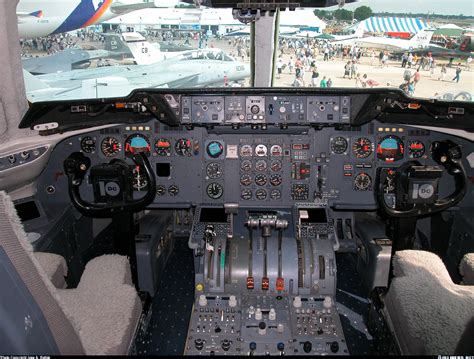
McDonnell Douglas DC-10: The Orbis Flying Eye Hospital
While the McDonnell Douglas DC-10 has largely faded from commercial service, its rarest iteration is undoubtedly the Orbis Flying Eye Hospital. This aircraft is not only a marvel of aviation but also a life-changing medical facility, bringing eye surgeries and training to underserved regions. Since 2016, Orbis has operated a DC-10-30 registered as N330AU, donated by FedEx. Its global humanitarian mission makes sightings rare and deeply meaningful.
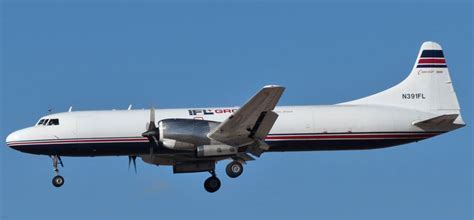
Convair 5800: A Cargo Workhorse with Vintage Flair
The Convair 5800, an upgraded version of the Convair CV-240, remains a workhorse in niche cargo markets. Modernized by Kelowna Flightcraft, this twin-engine plane is a testament to mid-20th-century aviation design. While Convair ceased operations in 1996, a few 5800s still grace the skies, typically in North America, offering rare photographic opportunities for those persistent enough to trace their routes.
Unique Liveries: One-of-a-Kind Aerial Artworks
Spotting a unique aircraft livery can be as exhilarating as photographing a rare model. Airlines frequently adorn aircraft with special liveries to celebrate anniversaries, partnerships, or cultural icons. These liveries often circulate for limited periods, turning an otherwise common plane into a flying collector’s item. From Pokémon-themed jets in Japan to retro liveries in Europe, such sightings are highly coveted by photographers.

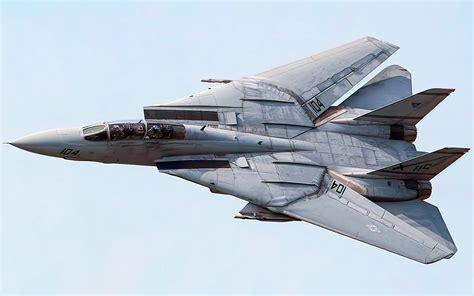
Grumman F-14 Tomcat: The Last of the Swing-Wing Fighters
The Grumman F-14 Tomcat, immortalized by films like Top Gun, is a Cold War icon. Though retired by the US Navy in 2006, Iran still maintains a fleet of operational Tomcats. However, the fleet’s longevity is precarious due to spare parts scarcity and operational secrecy. Tehran’s Mehrabad Airport remains the best bet for spotting these rare jets, but political hurdles make this a formidable challenge.
Doomsday Planes: Airborne Command Centers
The term “Doomsday planes” refers to aircraft like the Boeing E-4B NEACP and Russia’s Il-86VKP, both designed to serve as airborne command posts during nuclear conflicts. These planes are shrouded in secrecy, and their flight paths are rarely publicized. Spotting one in the wild requires not only luck but also exceptional timing, often coinciding with military exercises or high-stakes geopolitical events.

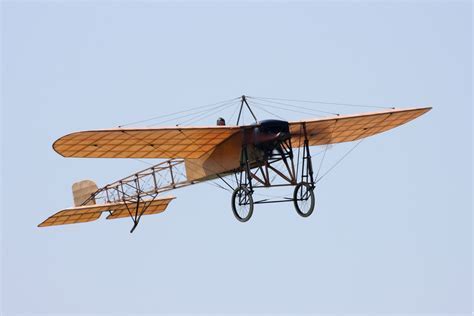
Blériot XI: A Century-Old Marvel Still in the Air
Few aircraft encapsulate aviation history as profoundly as the Blériot XI. Built in 1909, it was the first plane to successfully cross the English Channel. Today, thanks to Swedish collector Mikael Carlson, two original Blériot XIs remain airworthy, making occasional appearances at global air shows. Photographing one in flight offers a glimpse into the earliest days of powered aviation, a sight as moving as it is rare.
Conclusion
The quest to photograph the world’s rarest aircraft is a pursuit that tests the limits of patience, research, and sometimes international travel. Whether it’s the sheer scale of the Antonov An-225, the historical weight of the Blériot XI, or the geopolitical intrigue surrounding the Grumman F-14 Tomcat, each aircraft tells a unique story. For plane spotters and aviation enthusiasts alike, these ten aircraft represent the ultimate photographic prize, blending rarity, history, and technical marvel in every frame.