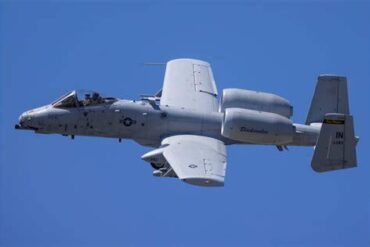
Fighter jets are some of the most advanced, expensive, and awe-inspiring machines ever created. Yet for all their real-world capabilities, Hollywood consistently distorts the truth to suit spectacle over substance. Whether it’s launching jets from city streets or having pilots defy every military regulation, movies and TV shows have fed the public a steady stream of myths about what fighter jets can actually do. Below, we debunk the six most persistent and misleading fighter jet myths propagated by the silver screen.
Fighter Jets Can Travel Thousands of Miles Without Refueling
In cinematic universes, fighter jets are treated like magic carpets capable of intercontinental travel on a single tank of fuel. A notorious example appears in Wonder Woman 1984, where a supposedly stolen F-111 Aardvark is flown from Washington, D.C. to Cairo — a flight of over 5,800 miles. In reality, the F-111 had a maximum range of only about 3,600 miles — and that’s under ideal conditions with extra fuel tanks.
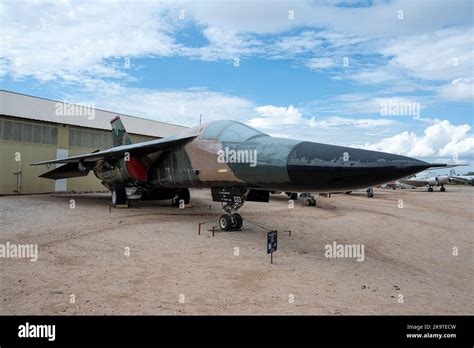
Even modern jets like the F-16 Fighting Falcon can only manage around 2,600 miles with external fuel tanks. Without mid-air refueling, these aircraft simply don’t have the stamina for global hopscotching. This myth exists purely for plot convenience and visual drama, but in real-life operations, range limitations are a constant logistical concern. That’s why aerial tankers like the KC-135 Stratotanker and KC-46 Pegasus are essential to fighter missions.
Buzzing the Target Is Standard Combat Practice
Nothing gets an audience’s adrenaline pumping like a fighter jet screaming past a target at low altitude, engines roaring just overhead. Whether it’s an NFL flyover or cinematic combat scenes like Godzilla vs. Kong or The Tomorrow War, Hollywood loves to portray jets diving to within a hundred feet of a target before engaging.
In truth, this tactic would be suicidal in modern warfare. Fighter jets are armed with long-range missiles that allow them to strike from miles away. For example, the AIM-120 AMRAAM air-to-air missile has a range exceeding 100 miles, and precision-guided munitions like the JDAM (Joint Direct Attack Munition) can hit targets from up to 15 miles away.
Flying that low is a liability, exposing pilots to surface-to-air missiles, small arms fire, and debris. These scenes aren’t realistic — they’re written to create tension and destroy expensive CGI assets in dramatic fashion.
VTOL Jets Hover Like Helicopters
In movies like True Lies and Live Free or Die Hard, Vertical Takeoff and Landing (VTOL) jets are shown hovering gracefully over buildings, sidling left and right like sci-fi UFOs. The impression is that VTOL jets can stop mid-air and float while shooting at targets below.
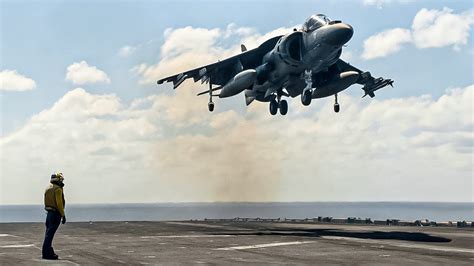
But even the iconic Harrier Jump Jet or modern F-35B Lightning II doesn’t behave this way. While these jets can take off and land vertically under certain conditions, true hovering is incredibly unstable, fuel-intensive, and used only in very specific scenarios, such as landing on aircraft carriers or launching from short runways.
They certainly can’t strafe sideways or hang indefinitely in midair, and attempting that would waste enormous amounts of fuel and drastically increase the chances of a catastrophic failure. Hollywood gets creative here, but real-world physics quickly calls their bluff.
Flares Work Against All Missiles
Flares are often portrayed as an all-purpose, cinematic get-out-of-jail-free card for pilots. Lock-on warning? Just pop flares and escape unharmed. We see this trick everywhere, from Iron Man to Behind Enemy Lines. But in the real world, flares are only effective against infrared (IR)-guided missiles, which hone in on the heat signature of a jet’s exhaust.
Radar-guided missiles, which are just as common, are completely unaffected by flares. Instead, pilots must deploy chaff — a cloud of tiny aluminum fibers or metallized glass — to disrupt the missile’s radar lock. Each countermeasure is built for a specific type of threat, and flares are far from universal.
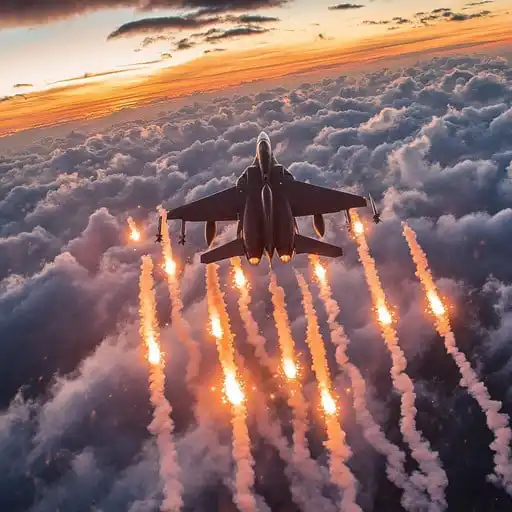
Moreover, deploying these countermeasures is a complex process involving detection systems, threat analysis, and split-second decision-making. In Hollywood, it’s just a button press followed by a miraculous escape. The reality is more nuanced — and more dangerous.
The Maverick Myth: Lone Wolf Pilots Win Wars
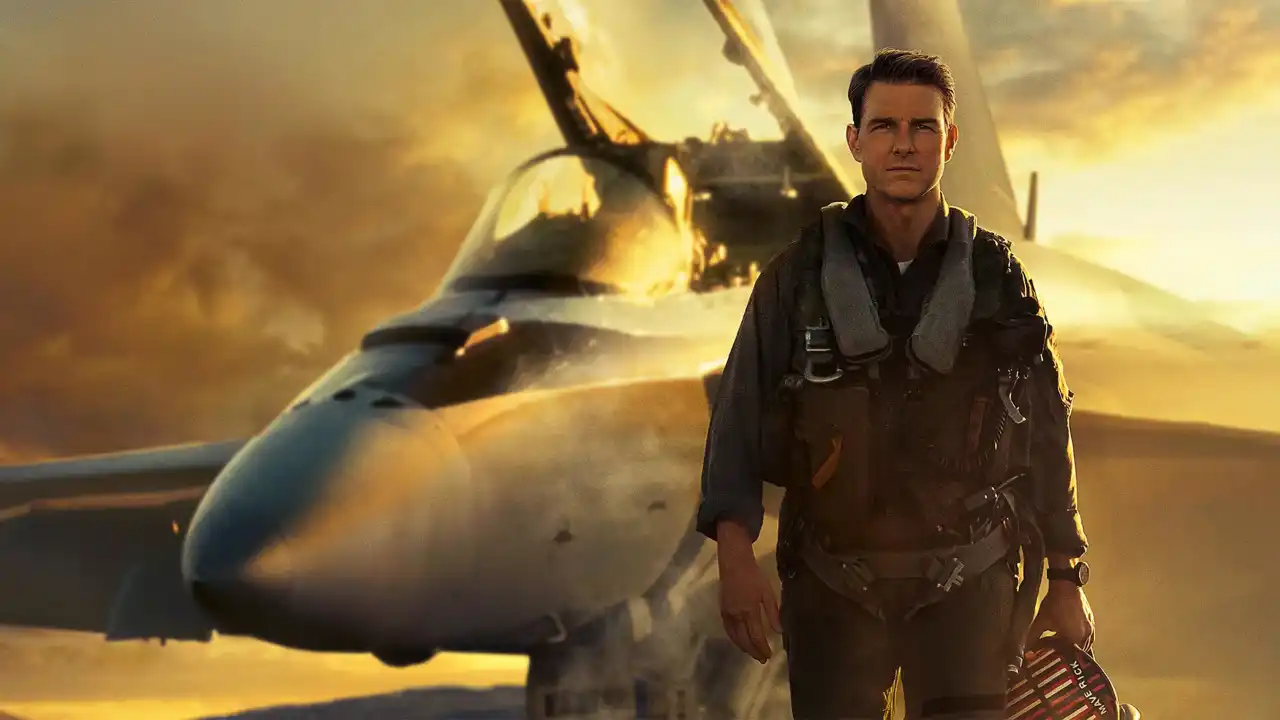
From Top Gun to Stealth, the archetype of the lone wolf ace pilot who breaks the rules but gets results has dominated pop culture portrayals of fighter pilots. Pete “Maverick” Mitchell might be the most iconic example, known for bending protocol and disobeying orders — yet still emerging as the hero.
In truth, fighter pilots are among the most disciplined and teamwork-oriented professionals in the military. Missions are meticulously coordinated, often involving multiple aircraft flying in tightly synchronized formations with clearly defined roles — lead, wingman, escort, electronic warfare support, etc.
Going rogue is not only reckless but could compromise the entire mission. Real fighter pilots undergo years of training to develop skills in communication, systems management, and situational awareness. Impulsiveness gets people killed. While Maverick may be entertaining, he wouldn’t last long in a real fighter squadron.
Afterburners Are Always On and Always Flaming
Movies and video games love to show fighter jets with engines permanently lit up in glorious trails of flame, conveying maximum speed and power. We see it in Transformers, Wonder Woman 1984, and countless other action-packed features. The assumption seems to be that if the engines are on, the afterburner must be engaged.
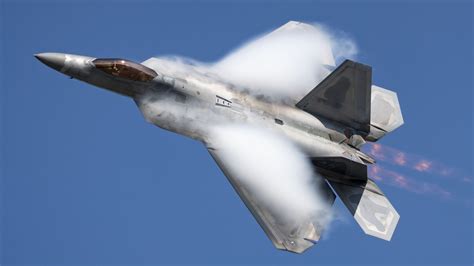
In reality, afterburners are a fuel-guzzling performance enhancer, used sparingly to gain rapid speed during combat or takeoff. They work by injecting extra fuel directly into the exhaust, causing visible flames and a dramatic increase in thrust — and fuel consumption.
Most of the time, even at high subsonic speeds, fighter jets cruise using basic engine thrust without afterburners. Constant use would drain fuel in minutes and greatly reduce operational range. A real-life sortie might only use the afterburner for seconds, whereas in movies, it seems to burn eternally.
Why These Myths Persist
The dramatic liberties taken with fighter jet portrayals aren’t accidents. They’re crafted to maximize narrative excitement and visual spectacle. A fighter jet shooting a missile from 50 miles away isn’t very cinematic, but one dodging skyscrapers and buzzing monsters is. Unfortunately, this repeated distortion shapes the public’s perception — and often, misinformation spreads faster than correction.
Movies have no obligation to stick to the facts, but for aviation enthusiasts and military professionals, these inaccuracies range from mildly amusing to outright infuriating. As fighter jets become more relevant in modern warfare and global politics, understanding their true capabilities is more important than ever.
The next time you see a fighter jet doing barrel rolls around a kaiju or zipping between buildings with infinite fuel, remember: the reality of military aviation is much more complex, demanding, and awe-inspiring — even without Hollywood’s embellishments.