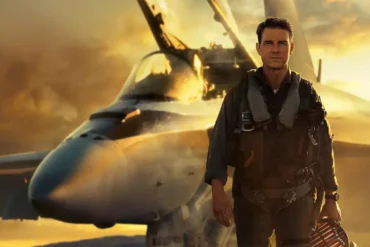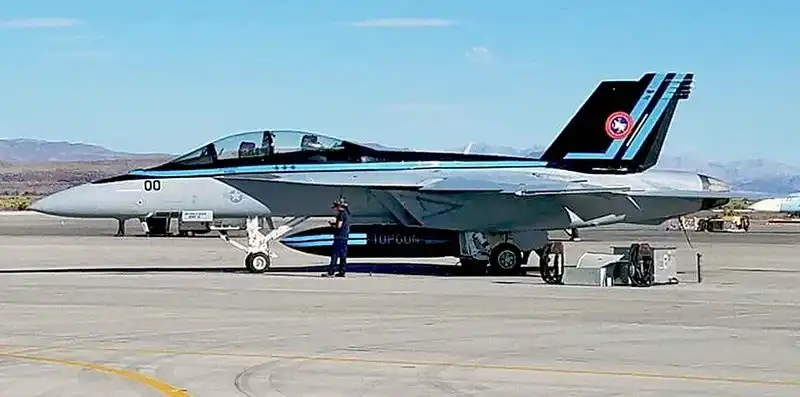
The Top Gun franchise is renowned for its high-octane aerial combat sequences and stunning cinematography. In Top Gun: Maverick, however, fans noticed a significant shift in aircraft selection—the F/A-18 Super Hornet replaced the F-35 Lightning II as the fighter jet of choice. Given the F-35’s state-of-the-art technology and stealth capabilities, why did the filmmakers opt for the older, less advanced aircraft? The decision was influenced by several critical factors, including practicality, cost, and military authorization.
The F/A-18 Super Hornet: A Trusted Workhorse
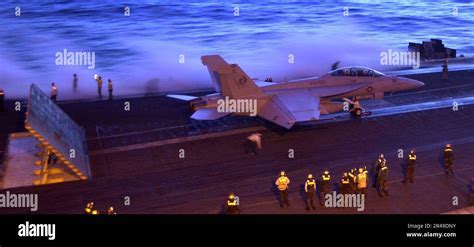
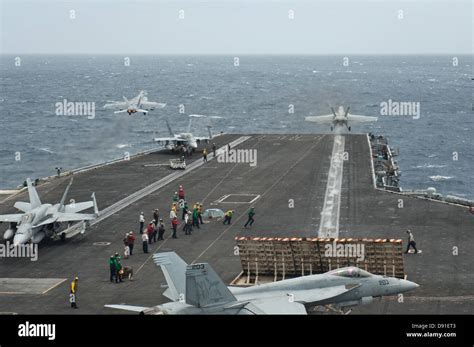
The F/A-18 Super Hornet, developed by McDonnell Douglas (now Boeing) and Northrop, is a twin-engine, supersonic, all-weather, carrier-capable, multirole combat jet. It has served as a reliable and versatile fighter for the U.S. Navy since the late 1990s. Unlike the F-35, which is a single-engine stealth fighter optimized for high-tech warfare, the F/A-18 is a proven combat aircraft designed for flexibility in both air-to-air and air-to-ground operations.
Key features of the F/A-18 Super Hornet include:
- Twin engines for increased survivability
- Carrier-capable design for naval operations
- Advanced avionics and weapons systems
- Superior maneuverability compared to stealth aircraft
With these attributes, the Super Hornet remains a staple in the U.S. Navy’s arsenal, making it the natural choice for a film that aims to depict realistic military aviation.
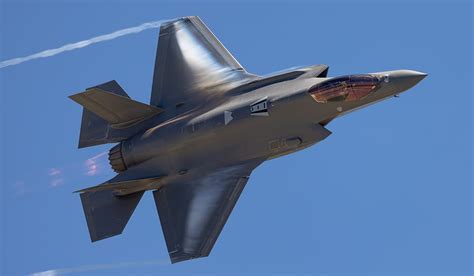
The F-35 Lightning II: A High-Tech Powerhouse
The F-35 Lightning II, designed by Lockheed Martin, is an advanced, stealth, multirole fighter intended to dominate modern aerial combat. Its stealth technology, sensor fusion, and networked warfare capabilities make it a formidable opponent on the battlefield. However, these same qualities present challenges for filmmaking.
Why Top Gun: Maverick Did Not Use the F-35
- Filming Constraints
- The F-35’s single-seat cockpit limited the ability to film actors inside the jet realistically. In contrast, the F/A-18F variant (two-seater) allowed actors to sit in the rear seat while real Navy pilots operated the aircraft, enabling authentic in-flight cinematography.
- Military Secrecy and Authorization
- The U.S. Department of Defense closely controls access to the F-35 due to its highly classified technology. The filmmakers received more flexibility and cooperation in filming the F/A-18, which does not involve the same level of classified systems.
- Cost and Availability
- The F-35 program is one of the most expensive military projects in history, with each jet costing over $100 million. By contrast, the F/A-18 Super Hornet costs significantly less, making it more feasible for production use.
- Cinematic Appeal and Aerial Combat Sequences
- The Super Hornet is a more visually dynamic aircraft for high-speed dogfights, which is essential for the thrilling aerial sequences in Top Gun: Maverick. Stealth aircraft like the F-35 rely more on electronic warfare and beyond-visual-range engagements, which would be less visually engaging for the audience.
Realism and Audience Engagement
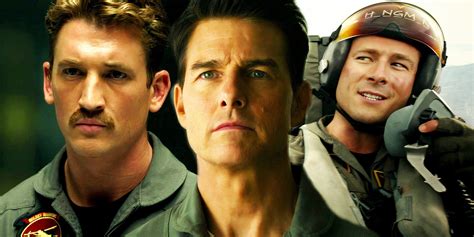
One of the core elements of Top Gun: Maverick was its commitment to realism. Director Joseph Kosinski and producer Jerry Bruckheimer prioritized practical effects over CGI, ensuring that the audience would experience genuine high-speed aerial maneuvers.
The F/A-18 Super Hornet was the perfect aircraft for this mission because:
- It allowed real Navy pilots to participate in actual high-G maneuvers.
- The film crew could mount IMAX cameras inside the cockpit, capturing breathtaking shots from the pilot’s perspective.
- The dogfights and aerobatic sequences aligned with the high-intensity action expected from the Top Gun franchise.
The Legacy of the Super Hornet in Top Gun
The choice of the F/A-18 over the F-35 was more than a technical decision—it was a tribute to the real TOPGUN program and the U.S. Navy’s operational reality. The film aimed to showcase the aircraft that actual naval aviators fly in combat and training.
The F/A-18 not only serves as an effective and powerful multirole fighter but also embodies the ethos of naval aviation. Its use in Top Gun: Maverick solidifies its place as one of the most iconic fighter jets in cinematic history.
FAQ
Why didn’t Top Gun: Maverick use the F-35?
The F-35’s single-seat design, classified technology, and reliance on stealth over dogfighting made it impractical for the film. The F/A-18 was chosen for its realism, cinematic appeal, and ease of filming.
Is the F/A-18 Super Hornet still used by the U.S. Navy?
Yes, the F/A-18 Super Hornet remains the primary carrier-based fighter jet of the U.S. Navy, used in both combat and training operations.
Could the F-35 replace the F/A-18 in future films?
While the F-35 is becoming more prominent in military service, its stealth-focused design and limited availability make it a challenging option for action-packed aerial combat sequences in films. The F/A-18’s dynamic maneuverability and two-seat variant make it a more suitable choice for future cinematic portrayals.