Türkiye’s defense proposition to Japan involving the Bayraktar TB3 marks a pivotal evolution in Pacific maritime security, not just in terms of bilateral cooperation, but also as a broader indicator of emerging drone carrier concepts in naval warfare. This development intertwines technological capability, naval architecture, and regional strategic needs at a time when Asia-Pacific waters are becoming an increasingly contested battlespace.
Türkiye’s Bayraktar TB3: Engineered for the Sea
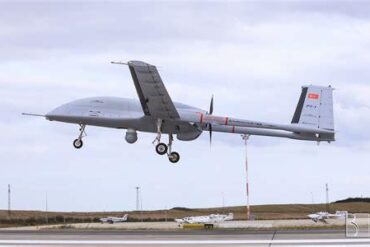
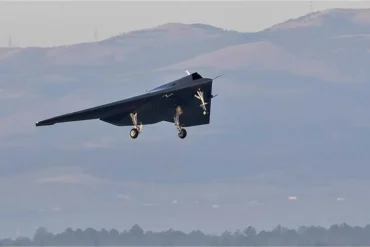
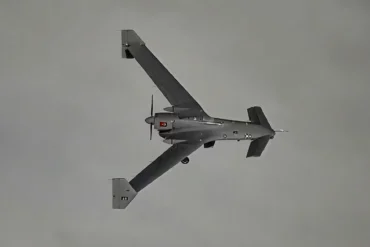
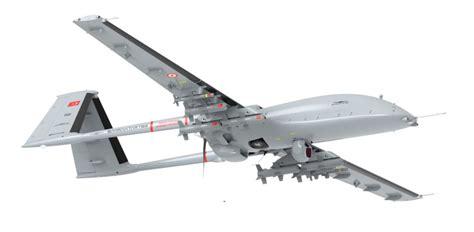
The Bayraktar TB3, an advanced derivative of the successful TB2 MALE drone, is designed with shipboard compatibility at its core. Unlike its land-based predecessors, TB3 embodies the principles of naval aviation from the outset. Featuring folding wings to fit within the confined spaces of small-deck carriers and amphibious assault ships, the drone is tailored for short takeoff and landing (STOL) operations.
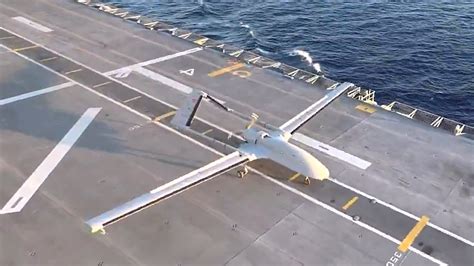
With a wingspan of 14 meters and an airframe length of 8.35 meters, the TB3 boasts a maximum payload capacity of 280 kg, powered by a 170 hp-class turboprop engine. Its operational endurance exceeds 21 hours, providing a powerful platform for sustained intelligence, surveillance, and reconnaissance (ISR) missions at sea. The aircraft’s line-of-sight and beyond-line-of-sight communication options make it adaptable to complex maritime command architectures.
Strategic Timing: Türkiye’s Offer Meets Japan’s Naval Transformation
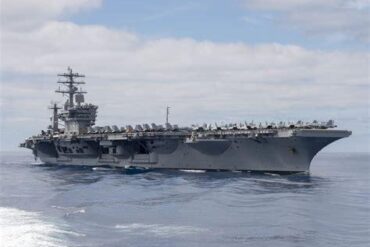
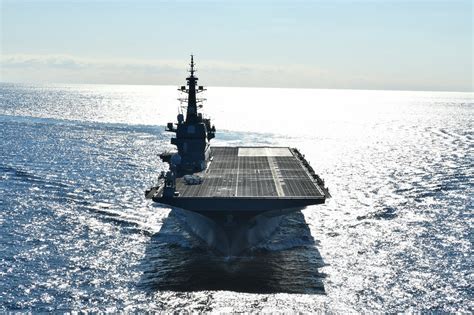
The TB3 offer comes amid Tokyo’s intensifying efforts to modernize its naval forces, particularly through the conversion of the Izumo-class helicopter destroyers into fixed-wing aircraft carriers. The JS Kaga, now equipped for F-35B operations, serves as the centerpiece of Japan’s evolving carrier doctrine. The addition of a long-endurance, combat-capable UAV like the TB3 represents a logical and complementary step.
Turkish Defense Minister Yaşar Güler’s remarks emphasize the TB3’s ability to “contribute to Japan’s defense capabilities” by delivering persistent maritime surveillance and cost-effective strike options. The Turkish proposal reflects a strategic convergence: both countries are seeking scalable maritime air power without the enormous costs and logistical burdens of full-size aircraft carriers.
Sea Trials and Carrier Viability: Operational Proof of Concept
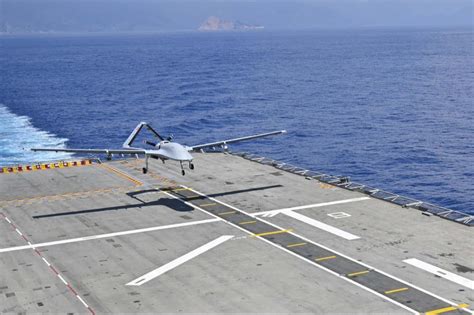
Baykar’s extensive sea trial program strengthens the TB3’s case. In November 2024, a prototype performed successful launch and recovery tests from Türkiye’s TCG Anadolu, a short-deck amphibious assault ship. The UAV took off using the ship’s 12-degree ski-jump, completed a maritime flight profile, and returned to land unaided, without arrestor wires or catapult systems.
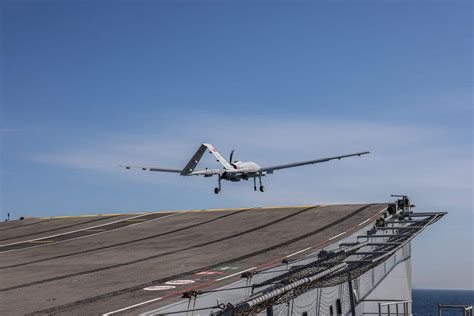
These trials continued into 2025, focusing on varied deck motion, payload conditions, and wind profiles, progressively validating TB3’s ability to operate routinely from moving vessels under operational stress. This shipboard validation is the crux of Türkiye’s value proposition to Japan: proven UAV performance from small and mid-sized platforms.
Sensors, Strikes, and Maritime Firepower
What elevates TB3 beyond a surveillance asset is its genuine combat capability. The drone is equipped with six hardpoints, allowing it to carry a mix of precision-guided munitions. Tests have confirmed its compatibility with the MAM-L and MAM-T families—lightweight yet lethal bombs ideal for maritime strike scenarios.
Moreover, Baykar has demonstrated TB3’s ability to carry the IHA-122, a supersonic air-to-surface missile, greatly expanding its engagement envelope. This level of scalable firepower enables TB3 to operate as a distributed strike platform, aligning with Japan’s interest in networked maritime operations. The drone can monitor and engage littoral targets, small vessels, or coastal threats without the need to deploy manned aircraft, preserving high-value platforms for major engagements.
From Surveillance to Sea Control: Redefining Naval Posture
The conceptual significance of TB3 lies in its role as a “sea control enabler.” It represents a step toward autonomous maritime operations from vessels lacking the traditional infrastructure of supercarriers. With the TB3, ships like Japan’s Izumo-class can host persistent ISR and strike drones, expanding their operational utility far beyond their original design.
Japan’s naval doctrine has historically emphasized multi-layered defense, but the addition of TB3 could support a shift toward distributed maritime operations—wherein multiple smaller platforms contribute to a comprehensive kill chain. This would help Japan operate effectively in contested areas like the East China Sea or Southwest Islands, where manned assets may be at higher risk.
The TB3’s high operational ceiling, with test flights reported beyond 33,000 feet and one reaching 36,310 feet, offers impressive flexibility for weather clearance, sensor geometry, and tactical surveillance. This altitude advantage, paired with a cited operational range of 1,100 nautical miles, could push Japan’s sensor horizon well beyond the reach of its current task force assets.
Tactical Integration: Opportunities and Hurdles
Should Japan accept the TB3 offer, the success of its integration will rest not on the drone’s airframe, but on how seamlessly it can be woven into Japan’s command and control (C2) networks. Questions remain regarding the cybersecurity, interoperability, and data fusion between Turkish-developed systems and Japan’s American-sourced combat architecture.
This includes ensuring the drone’s data links and ISR feeds can be trusted, secured, and integrated with Aegis-class destroyers, F-35B operations, and broader joint command structures. It also brings into question how Japan’s Ministry of Defense would structure rules of engagement, target prioritization, and mission tasking in scenarios involving both autonomous and manned assets.
Yet, these challenges are not insurmountable. Similar interoperability questions have been addressed in the past through joint development frameworks and secure interface protocols. Moreover, Japan’s increasing openness to non-U.S. defense partners in areas like missile defense and unmanned systems reflects a willingness to pursue diversified technological solutions.
A New Pacific Paradigm: Drone Carriers on the Horizon
At a strategic level, Türkiye’s TB3 proposal could be seen as the early signal of a regional doctrinal evolution. Rather than pursuing massive fleet carriers alone, Pacific navies may begin to invest in “drone-first” aviation decks, allowing even modest amphibious ships to deploy combat-capable air wings.
For nations facing asymmetric maritime threats, or those seeking to impose distributed costs on adversaries, TB3-like UAVs offer a blueprint for the future. Their low logistical footprint, long endurance, and multi-role capability embody a more resilient and adaptive approach to naval warfare.
Türkiye’s pitch to Japan is not just a defense export bid—it is an ideological overture toward redefining naval power projection through unmanned platforms. If successful, the TB3 could become the archetype for how mid-tier powers conduct persistent aerial operations at sea, without relying on the traditional hallmarks of naval air supremacy.
Conclusion: Turning Interest Into Integration
The upcoming visit of Türkiye’s defense delegation to Japan in March 2026 could be the inflection point. Discussions are likely to focus not only on technical cooperation but on broader defense-industrial integration, rules for joint training, and potential pathways to co-development or licensed production.
For Japan, adopting the TB3 is not merely about acquiring another UAV. It would signal a doctrinal commitment to unmanned carrier aviation, unlocking new layers of strategic flexibility. And for Türkiye, it would cement Baykar’s place as a global innovator in naval drone warfare, amplifying its role in shaping the future of littoral and carrier-based operations in the world’s most dynamic maritime theater.