On December 19, 2025, at precisely 4:00 p.m. Eastern Time, the United States unleashed its most extensive military air campaign in Syria since 2019. Known as Operation Hawkeye Strike, this decisive action targeted over 70 ISIS positions across central Syria, signaling a dramatic escalation in America’s counterterrorism strategy in the region. Coordinated by U.S. Central Command (CENTCOM), the operation marks a turning point in both the scale and intensity of U.S. military engagements in the Middle East.
Trigger for the Operation: Retaliation and Resolve
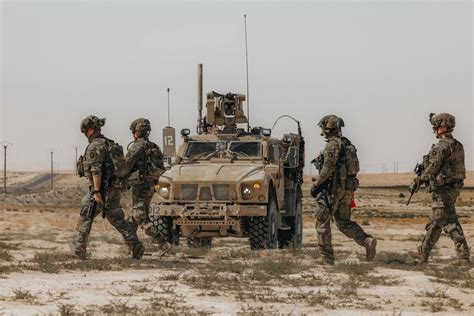
The catalyst for Operation Hawkeye Strike was a deadly ambush near Palmyra, where two American soldiers were killed during a joint patrol. The attack, attributed to Islamic State (ISIS) militants, represented the deadliest single-day assault on U.S. personnel in Syria this year. According to Secretary of War Pete Hegseth, this brazen act crossed a red line and demanded an immediate, overwhelming military response. The operation was thus executed under direct orders from the Commander in Chief, with the stated objective of degrading ISIS infrastructure and reaffirming American combat readiness.
The Mechanics of a Massive Assault
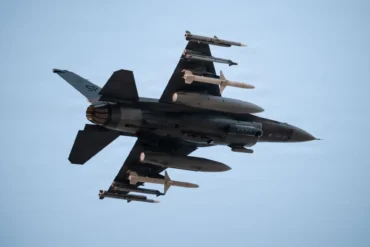
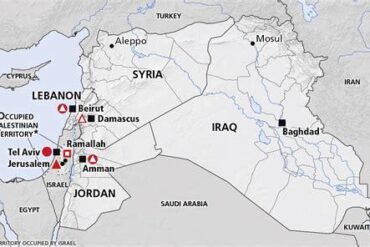
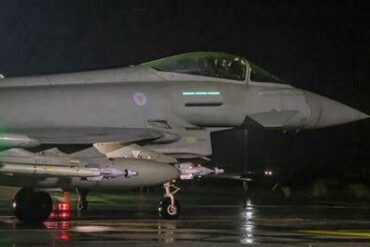
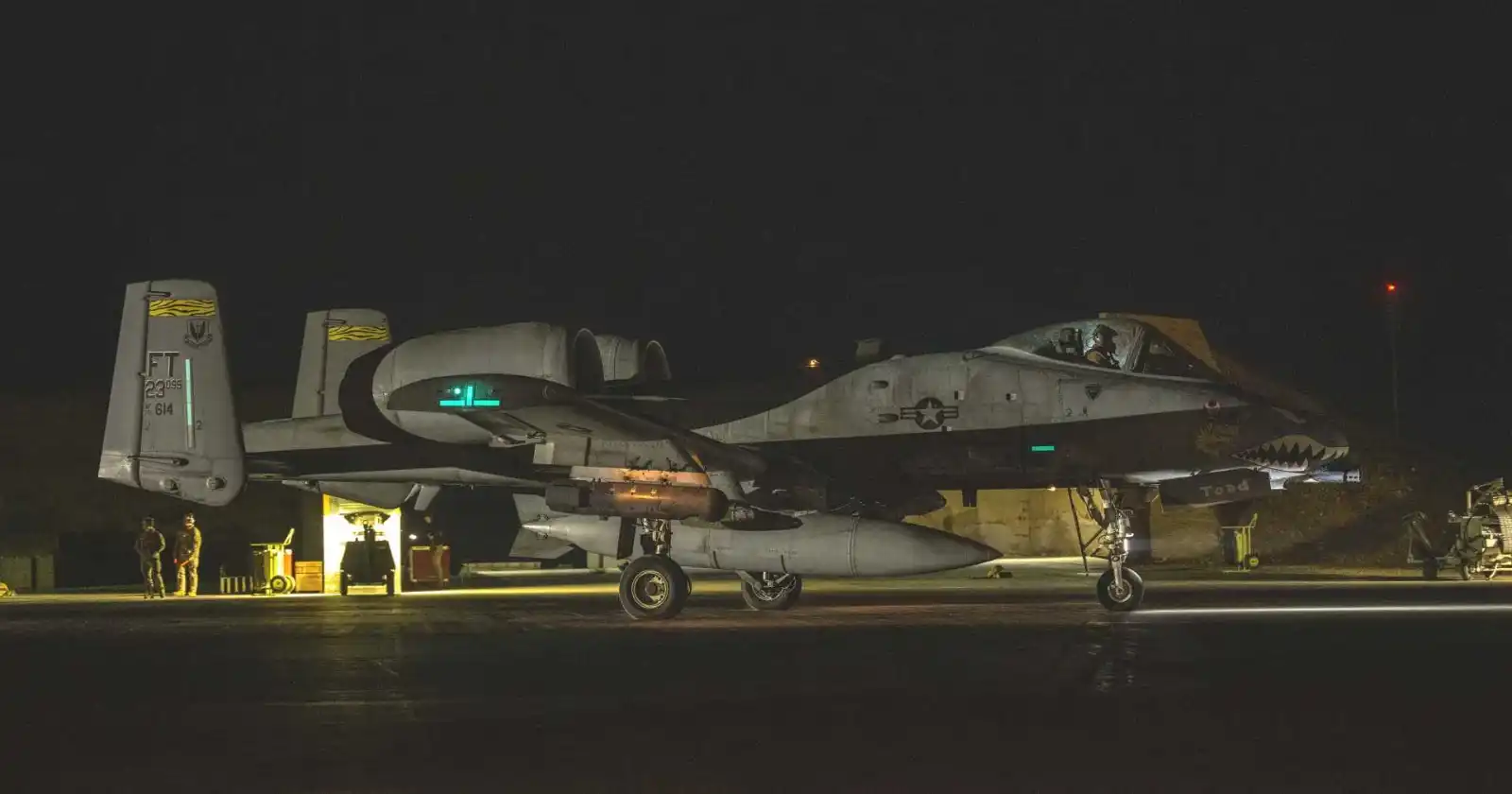
The first phase of Operation Hawkeye Strike was an air-centric offensive of unprecedented scope and complexity. Ten F-15E Strike Eagles from the 391st Fighter Squadron took off from Muwaffaq Al-Salti Air Base in Jordan, supported by six A-10C Thunderbolt IIs from the 75th Fighter Squadron at Al-Dhafra Air Base in the UAE. Complementing the fleet were F-16C Block 40s from the 555th Fighter Squadron stationed at Prince Sultan Air Base in Saudi Arabia.
Together, these aircraft launched over 100 precision-guided munitions targeting hardened bunkers, command nodes, vehicle depots, and suspected ISIS tunnel networks in Homs and Deir ez-Zor provinces. The aerial campaign was bolstered by U.S. artillery units stationed in northeastern Syria, which synchronized fire missions via advanced battlefield networks to maximize target accuracy and minimize civilian casualties.
Coalition Coordination and Regional Involvement
A noteworthy aspect of the operation was the integration of regional allies. Jordanian Armed Forces provided combat air support, executing parallel strike missions that enhanced operational reach and demonstrated multi-national unity. This regional partnership is key to CENTCOM’s evolving doctrine, which increasingly emphasizes coalition operations over unilateral engagement.
Persistent U.S. Counterterrorism Campaign
Operation Hawkeye Strike is not an isolated act but a culmination of intensified efforts over the past six months. U.S. and coalition forces have conducted more than 80 counterterrorism missions in Syria and Iraq, systematically targeting ISIS leadership, disrupting smuggling networks, and dismantling logistical pipelines. In the week following the December 13 ambush alone, ten follow-up raids were carried out, leading to the elimination or capture of 23 ISIS operatives.
This pattern reflects a high operational tempo designed to deny ISIS any opportunity to regroup or reestablish a physical caliphate. The December 19 strike, however, represents a strategic escalation—not only in the number of targets hit but in the breadth of U.S. and allied assets mobilized.
Complex Strategic Landscape and Political Trade-offs
While the scale of the operation conveys resolve, it also exposes the inherent complexities of America’s presence in Syria. Earlier in the fall, the administration authorized joint patrols with Syria’s General Security Forces, an organization that has since drawn scrutiny due to links with Ahmad al-Sharaa, a controversial figure with known connections to former Al-Qaeda factions. Though the collaboration aimed to enhance local intelligence gathering and extend U.S. reach in contested zones, it has provoked internal policy debates over the integrity and long-term reliability of such partnerships.
This underscores the fine line U.S. policymakers must walk—balancing tactical advantages against strategic legitimacy and regional alliances. As the military footprint remains deliberately lean, the emphasis has shifted toward rapid-deployment strike capacity and dynamic intelligence sharing, rather than protracted ground presence.
Preliminary Impact: Crippling ISIS Infrastructure
Early battle damage assessments suggest the operation dealt a significant blow to ISIS’s operational capabilities. Surveillance feeds from ISR drones and satellite reconnaissance show obliterated supply caches, neutralized command centers, and disrupted transit corridors. Analysts believe these losses could significantly delay ISIS’s ability to coordinate or execute large-scale offensives.
In addition to material destruction, psychological warfare plays a key role in such missions. By hitting over 70 targets in a coordinated wave, the U.S. has sent a clear message—not only to ISIS but also to rival non-state actors and hostile governments monitoring American behavior in the region.
Evolution of U.S. Tactical Doctrine
Operation Hawkeye Strike reflects a doctrinal evolution in U.S. military operations in Syria. Rather than emphasizing territorial occupation or long-term base establishment, recent tactics prioritize precision, speed, and limited exposure. This shift is driven by several factors:
- The changing nature of asymmetric threats, which are increasingly decentralized.
- The political sensitivity around prolonged military involvement in the Middle East.
- The imperative to minimize U.S. casualties while still projecting force and influence.
CENTCOM’s orchestration of multiple aircraft types and coordination with local partners illustrates a sophisticated operational model—one that maintains strategic ambiguity while retaining the ability to strike decisively when provoked.
Message to the Region and Beyond
The timing, scale, and coordination of Operation Hawkeye Strike send a potent diplomatic and military signal. With troop levels relatively low, the U.S. is demonstrating that it can still deliver overwhelming kinetic effects with little notice. In doing so, it reaffirms the deterrent value of its airpower and underscores its commitment to force protection.
Though ISIS no longer holds large swaths of territory, it remains a persistent insurgent threat. Operation Hawkeye Strike, therefore, is not merely retaliatory—it is preemptive and preventive, aiming to disrupt potential resurgence before it metastasizes into a broader regional crisis.
The Road Ahead: Escalation or Containment?
What comes next remains uncertain. While the operation dealt heavy losses to ISIS infrastructure, its ability to regenerate leadership and adapt tactics is well-documented. The success of Hawkeye Strike, therefore, must be measured not only by targets destroyed but by its long-term impact on ISIS’s strategic momentum and recruitment potential.
Observers will also be watching how regional actors react—especially those with competing interests in Syrian territory, such as Iran, Russia, and Turkey. Whether Operation Hawkeye Strike is a standalone reprisal or the beginning of a wider shift in U.S. posture will become clearer in the weeks ahead.
For now, Operation Hawkeye Strike stands as the largest U.S. airstrike campaign in Syria in over half a decade—a thunderous reminder that American military power, though often restrained, remains formidable and ready to strike without hesitation.