The National Football League (NFL), Major League Baseball (MLB), and other major U.S. sports leagues are on the brink of a significant transformation in how they handle the growing threat of unauthorized drones. The passage of the 2026 National Defense Authorization Act (NDAA) by the U.S. House of Representatives includes a powerful provision—the Safer Skies Act—that could redefine airspace protection over some of America’s most iconic sports venues.
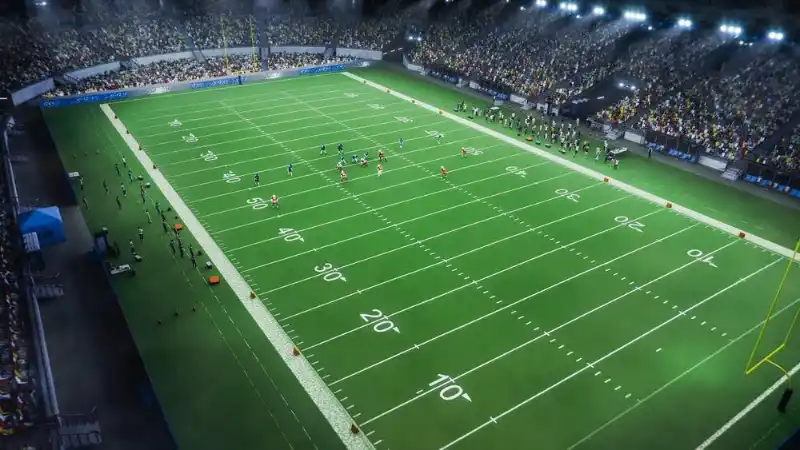
Currently, only select federal agencies like the FBI and Department of Homeland Security (DHS) are authorized to take down rogue drones. But with over 2,800 drone incursions reported by the NFL during the 2023 season alone, the risk to players, fans, and infrastructure is escalating. These incursions into Temporary Flight Restrictions (TFRs) threaten not only the integrity of live broadcasts and game schedules but also the safety of the public attending these mass gatherings.
A Legislative Response to an Escalating Threat
The Safer Skies Act, embedded within the NDAA, proposes to extend counter-UAS (unmanned aircraft system) authority to state, local, tribal, and territorial (SLTT) governments. This shift could revolutionize frontline stadium security by empowering local law enforcement to neutralize aerial threats without having to wait for overburdened federal agencies.
According to NFL Chief of Security Cathy Lanier, the urgency for local action is undeniable. Of more than 121,000 requests submitted since 2018 for federal counter-drone assistance, only 77 were approved. This gap in operational capability has created significant vulnerabilities, particularly for regular-season games that don’t attract the federal attention of events like the Super Bowl or the Olympics.
Why Drones Pose a Growing Danger
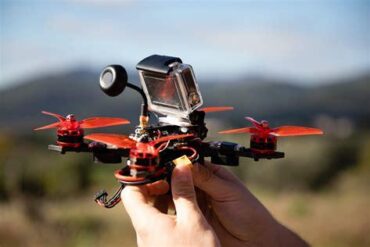
Drones, once the domain of hobbyists, have proliferated in recent years. Since the FAA’s Part 107 regulations went into effect in 2016, over 800,000 drones have been registered, and more than 450,000 remote pilots certified. While many drone operators fly legally, the surge in aircraft has inevitably led to misuse—especially around large public gatherings.
In 2024, New Jersey authorities were overwhelmed with drone reports, many of which turned out to be misidentified birds or legal flights. However, several incidents did involve credible rogue drone sightings over military installations, underscoring the thin line between false alarms and real threats.
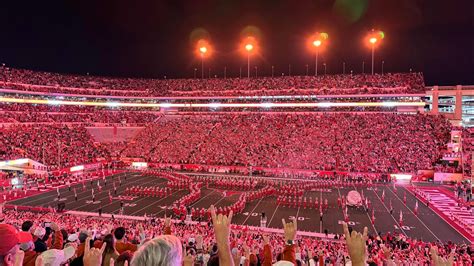
Stadiums, with their tightly packed crowds and high-profile visibility, are a prime target for malicious intent. Recent intelligence has even revealed Islamic State propaganda urging attacks on mass events, specifically mentioning stadiums as viable targets. A drone equipped with explosives or other disruptive payloads could have catastrophic consequences, and the ability to act swiftly is paramount.
Stadium TFRs and the Limitations of Current Enforcement
Stadium TFRs are standard for professional games and typically ban drones within 3 nautical miles and below 3,000 feet of the venue from one hour before to one hour after an event. Yet, these airspace restrictions have limited teeth without enforcement capabilities. The Sporting Event Automated Monitoring System (SEAMS), developed by the FAA in coordination with leagues, alerts operators of TFRs, but non-compliance remains rampant.
The NFL’s own records show more than 2,000 incursions each season over the last three years. In some cases, games have been halted mid-broadcast, notably during primetime Thursday Night Football matchups and critical playoff games. These interruptions carry financial implications, compromise broadcast schedules, and expose vulnerabilities in event security protocols.
The Safer Skies Act: How It Works
If enacted, the Safer Skies Act would permit certified SLTT governments to carry out drone mitigation operations, including tracking, intercepting, and disabling UAS identified as credible threats. Certification would come via a federally mandated “national schoolhouse”, which would provide standardized training and ensure adherence to best practices.
Key components include:
- A centralized certifying authority for SLTT actors to gain legal counter-UAS capabilities.
- Authorization to act when a drone poses a credible threat to people, facilities, or assets.
- Mandated use of federally approved technologies, curated by agencies like DHS, DOJ, DOD, and DOT.
- Strict coordination protocols to ensure federal and SLTT operations do not conflict.
- Harsher penalties for UAS-related violations, especially those targeting correctional facilities or federal assets.
A Preemptive Shield Ahead of Global Events
The timing of this legislative move is no coincidence. By 2026, the U.S. will be the center of the global sports universe, hosting the FIFA World Cup and America250 celebrations. Just two years later, the Los Angeles Olympics will draw global attention—and with it, increased security threats.
However, World Cup matches are not currently expected to receive federal counter-drone support, according to ESPN. That reality underscores the urgency for local authorities to step into the breach, a transition that Safer Skies would facilitate.
The Federal Emergency Management Agency (FEMA), recognizing the high stakes, launched a $500 million counter-UAS grant program in late 2024. In tandem, a White House task force convened hundreds of stakeholders to strategize on how to best leverage those funds. The Washington National Guard’s C-UAS summit in November 2024 featured simulated drone attacks on Seattle’s Lumen Field, showcasing the kind of multi-agency preparation required for real-world threats.
Technology and Procurement Challenges Ahead
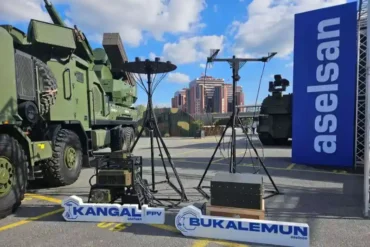
A notable challenge for SLTT actors will be access to appropriate counter-UAS technologies. The bill stipulates that all technology must come from a federally approved list, echoing the military’s Blue UAS program. This requirement may create procurement hurdles, especially for agencies that have previously relied on affordable drones from Chinese manufacturers like DJI.
Fortunately, the legislation allows for federal grants to fund not just counter-drone systems, but also domestically produced public safety drones, providing a twofold boost: enhancing airspace control and stimulating the U.S. drone manufacturing sector.
Implications for the Future of Event Security
If enacted, the Safer Skies Act would fundamentally shift the paradigm of stadium security in the U.S. Instead of waiting on overtasked federal entities, local teams would be trained and empowered to protect their venues in real time. The NFL, MLB, NCAA, and other leagues would gain a proactive security toolset just as the nation embarks on a multi-year stretch of global sporting prominence.
Failure to pass this provision would leave stadiums vulnerable and SLTT governments handcuffed, unable to respond effectively to even the most blatant aerial intrusions. In an age where drone threats are no longer theoretical, the stakes have never been higher.
Conclusion: A Critical Crossroads
The convergence of emerging threats, legislative opportunity, and upcoming global events makes this moment pivotal. The Safer Skies Act represents more than just a bureaucratic policy change—it is a strategic defense imperative for protecting America’s most visible and vulnerable gatherings.
By equipping local law enforcement with training, authority, and technology, we can ensure that stadiums remain not just venues of entertainment, but secure spaces for families, athletes, and global audiences alike.
As Congress deliberates the final language of the NDAA, all eyes—from league commissioners to counterterrorism experts—will be on Capitol Hill. The future of stadium safety may well depend on what happens next.