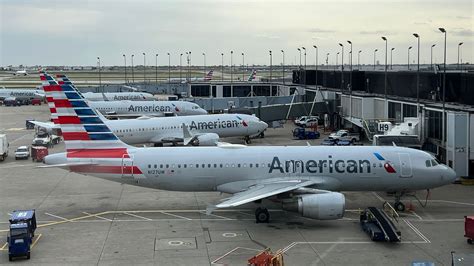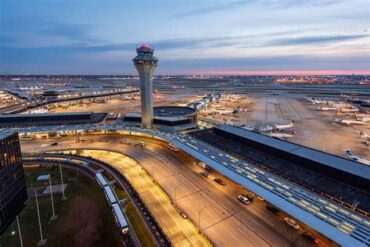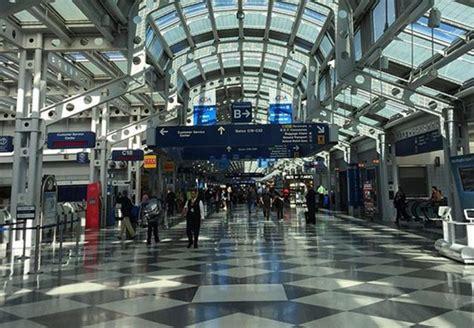
As temperatures begin to dip and the Midwest braces for the arrival of fall, United Airlines is turning up the heat with a significant expansion of its flight schedule from Chicago O’Hare International Airport. This autumn, the airline is launching or enhancing service on six sun-soaked routes, connecting chilly Chicagoans with warm-weather escapes. The move underscores United’s strategic focus on leisure-driven travel and its commitment to maintaining dominance in one of its key hub markets.
This expanded service is part of a broader industry trend where major carriers are adapting to post-pandemic travel patterns, shifting more resources toward vacation destinations that see a surge in demand during shoulder seasons.
United’s Fall Schedule: Sunshine on the Horizon
Beginning this fall, United Airlines will increase flights on six select routes that whisk passengers away from the Windy City’s brisk winds to bask in sunshine and sea breezes. The destinations include perennial favorites such as Fort Lauderdale, Tampa, Phoenix, Miami, San Diego, and Fort Myers. These routes not only serve as gateways to warm climates but also offer strong demand from both leisure and business travelers.
The airline’s decision to intensify operations on these routes was not made in a vacuum. Internal demand forecasting, advanced booking trends, and strategic hub capacity planning all played a role. Chicago O’Hare, already a cornerstone of United’s domestic network, now becomes even more central as a launchpad for sun-seeking itineraries.
Detailed Route Expansions and Flight Frequencies
Each of the six routes will see a notable uptick in frequency or the introduction of larger aircraft, translating into thousands of additional seats during peak fall travel periods. Here is a breakdown of the expanded services:
- Fort Lauderdale (FLL): United will now offer 3 daily flights, up from 1, targeting both leisure and cruise travelers.
- Tampa (TPA): A key Florida city for family tourism and snowbirds, TPA sees an increase to 4 daily flights.
- Phoenix (PHX): A growing hub for both retirees and conference-goers, PHX will now have 5 daily departures.
- Miami (MIA): A cosmopolitan hub with international connections, United expands service to 3 daily flights.
- San Diego (SAN): With a strong blend of business and beach travelers, this West Coast route will see 2 daily flights, one on a wide-body jet.
- Fort Myers (RSW): United boosts this key Gulf Coast route to 3 daily flights, up from a seasonal service.

Strategic Motivations: Tapping Into Leisure and Hybrid Travel
United’s fall expansion isn’t just a seasonal gimmick—it reflects a deeper realignment in the aviation industry, where leisure and hybrid travel are reshaping route planning. Traditional business-heavy markets remain sluggish, while vacation and “bleisure” travel continue to soar.
According to United’s VP of Network Planning, the airline is doubling down on data that shows a clear surge in fall travel to warmer destinations. Travelers are increasingly blending work and leisure, often taking extended weekend trips or remote work getaways. These six routes are precisely the kind of mid-haul flights that benefit from that trend.
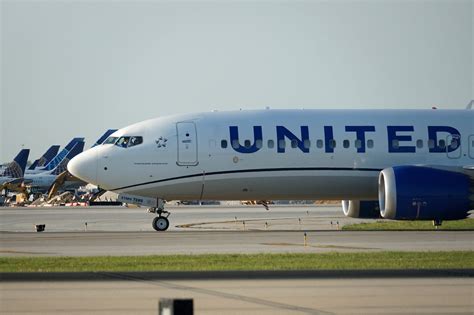
Moreover, United is optimizing its fleet allocation, deploying larger aircraft like the Boeing 737 MAX 9 and Airbus A321neo on select routes, increasing seat capacity without necessarily increasing the number of flights.
Chicago O’Hare: The Beating Heart of United’s Network
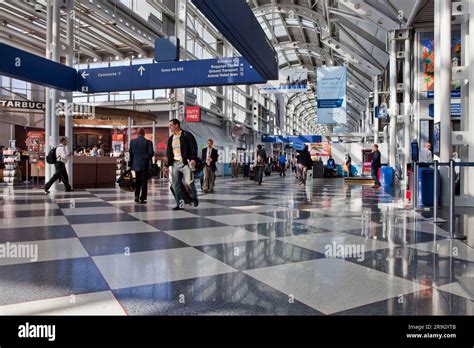
Chicago O’Hare remains United’s largest hub, and this expansion strengthens its role not only as a Midwest connecting point but also as a vital artery in United’s national strategy. The airline operates hundreds of daily departures from O’Hare, and by adding more sun-bound routes, it capitalizes on both originating demand and connecting traffic.
This move also enhances Chicago’s value proposition for international travelers. By offering more options to sunny U.S. destinations, O’Hare becomes a more attractive entry point for foreign visitors looking to explore the U.S. during the quieter fall months.
Passenger Experience: Modern Fleets and Enhanced Comfort
With this route boost, United is not only adding quantity but enhancing quality. Many of the flights will feature newer aircraft equipped with Wi-Fi, seatback entertainment, and extra legroom in Economy Plus. Premium cabins are also being featured prominently on these routes, reflecting a growing demand for comfort even on mid-haul leisure flights.
In addition, United has been pushing forward with its “United Next” strategy, which focuses on replacing older aircraft with modern, more fuel-efficient jets. Passengers on these expanded fall routes will increasingly find themselves flying on aircraft with larger overhead bins, streamlined boarding procedures, and sustainable aviation fuel blends on select services.
Competitive Landscape: United Sharpens Its Edge Against Rivals
The sunny routes out of O’Hare are highly competitive, with other major carriers like American Airlines, Southwest, and Delta also vying for market share. By increasing frequency and offering more premium amenities, United is placing itself in a strong position to capture a larger slice of the seasonal market.
While budget airlines have previously dominated these leisure markets, United is betting that a blend of full-service comfort, loyalty program perks, and strategic scheduling will lure travelers willing to pay slightly more for a seamless experience. The MileagePlus program also remains a potent tool in retaining and attracting frequent flyers.
Environmental Considerations: More Flights, Cleaner Tech
As the airline industry faces mounting pressure to reduce emissions, United continues to highlight its investment in sustainable aviation fuel (SAF), carbon offsets, and fleet modernization. Select aircraft on these new fall routes will be SAF-compatible, and United has committed to achieving net-zero emissions by 2050.
The increased use of modern, fuel-efficient aircraft on these routes helps to offset the carbon footprint of expanded service. Moreover, United’s digital tools allow passengers to estimate and offset their own emissions—a feature gaining popularity among eco-conscious travelers.
What This Means for Chicago and Beyond
For Chicago-based travelers, this expanded service provides unprecedented access to key sunny destinations without the need for connections. It enhances Chicago’s appeal as a travel hub and positions United as the most comprehensive option for fall vacation planning.
For travelers across the U.S., especially in northern and northeastern markets, the move offers more one-stop options via O’Hare to warm-weather cities. Given that United’s O’Hare hub also supports extensive international operations, the sunny route expansion strengthens interconnectivity between domestic and global networks.
From a business perspective, United’s expansion marks a clear sign of confidence in the fall travel market. It also reflects a calculated approach to seasonal demand management, asset optimization, and customer-centric service enhancements. By focusing on routes that deliver both volume and margin, United is writing a playbook that could become the template for other carriers navigating post-pandemic seasonality.
Looking Ahead: More Growth to Come?
Industry analysts suggest this may be only the beginning. With United already on track for a record-breaking year in terms of passenger volume and load factor, further expansions—possibly including new international leisure destinations—could follow.
Executives have hinted that successful performance on these six routes may lead to year-round service for some and additional daily frequencies during peak holiday travel. The data collected during this fall season will be crucial in shaping 2026’s network strategy.
In a travel climate where adaptability is king and consumer preferences are in constant flux, United’s aggressive yet calculated approach from Chicago O’Hare sends a clear message: the skies may be cooling, but demand is heating up.