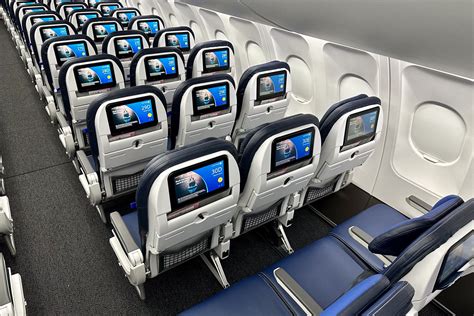
A routine domestic flight out of Denver turned into an accidental open-mic moment when a United Airlines passenger realized that Channel 9 was broadcasting more than air traffic control. The in-flight audio feed, typically limited to communications between pilots and controllers, carried the full texture of cockpit conversation for the duration of the flight. That texture included candid storytelling, operational banter, and, at moments, language that rarely leaves the flight deck. The episode spread quickly after the passenger shared the experience online, igniting debate about cockpit audio, professional boundaries, and how a single switch can make a private workspace briefly public.
The incident unfolded aboard an Airbus A319, a workhorse of United’s domestic fleet. As the aircraft climbed out of Denver International Airport, the passenger tuned into what United now labels “From the Flight Deck,” a nostalgic nod to the airline’s long-running Channel 9 feature. Instead of hearing only clipped, procedural exchanges with controllers, the listener caught everything: preflight checks, operational callouts, casual reflections about family life, observations of terrain sliding beneath the wing, and recollections of past incidents. The audio stream ran unfiltered for more than two hours, turning the cockpit into a live podcast with no producer and no delay button.
The detail that grabbed the internet’s attention was not the aviation nerd’s delight of hearing real-time procedures, but the human texture of the voices behind the controls. A few curse words slipped into the flow of conversation, apparently without the pilots realizing that their mics were effectively live to the cabin. The result was a rare, unscripted glimpse into a professional environment that passengers usually encounter only through measured announcements and calm, rehearsed phrasing. It was intimate, ordinary, and oddly revealing.
Cockpit Audio Exposed on Channel 9 During United Flight
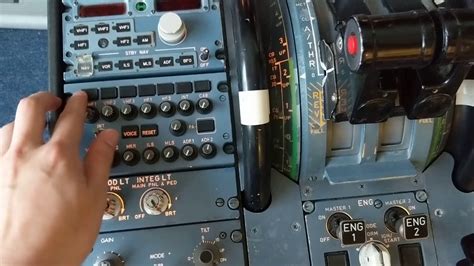
United’s Channel 9 has been part of the airline’s identity for decades, a small delight for aviation-curious passengers who enjoy listening to the choreography of modern airspace. What makes this incident unusual is not that the channel existed, but that the observer audio control panel aboard the Airbus A319 appears to have routed more than the intended feed. On Airbus aircraft, pilots can select which audio sources are broadcast to the cabin. The most plausible explanation is mundane and mechanical: settings from a previous flight remained enabled, and no one noticed the extra channels were live.
That ordinariness is what makes the story resonate. Complex systems fail not with cinematic explosions but with tiny oversights. The panel likely did exactly what it was told to do. The surprise came from the consequences of that instruction. For passengers, the experience was novel and strangely connective. For the airline, it was a reminder that features designed for transparency can turn into unintended exposure when procedural checks miss a beat.
How “From the Flight Deck” Works on Modern United Aircraft
Channel 9 began as a simple audio channel on older seatback systems, a literal ninth dial that curious passengers could tune into. Over time, it evolved into a digital option within United’s in-flight entertainment interface. When enabled, it streams communications between the flight deck and air traffic control, offering a window into the language of altitude assignments, routing changes, and weather advisories. The feature is not universally active today; crews often leave it off unless passengers request it.
On Airbus aircraft, the observer audio control panel acts as the gatekeeper for what the cabin hears. It can be set to pass through ATC audio only, or, if toggled incorrectly, to include internal cockpit channels. The design is not reckless; it assumes procedural discipline. The incident suggests that even disciplined systems benefit from redundancy, especially when the output can broadcast a private workspace to hundreds of listeners.
The Human Factor Inside the Flight Deck
Aviation culture prizes precision, but pilots are human beings who share stories, decompress, and build rapport during long cruise segments. Hearing that texture does not diminish professionalism; it contextualizes it. The moments of casual talk described by the passenger align with how crews manage the long stretches of cruise flight once workload drops. The surprise comes from the collision between that normalcy and the public nature of the broadcast.
Language matters in professional spaces, and the presence of a few curse words sparked predictable reactions online. Some listeners found it refreshingly human. Others worried about decorum. The truth lives in the tension between those views. Cockpits are workplaces with safety-critical responsibilities, but they are also social environments where trust between crew members is built through conversation. The broadcast did not reveal recklessness; it revealed people doing their jobs while being people.
Sterile Cockpit Rules and Why They Still Matter
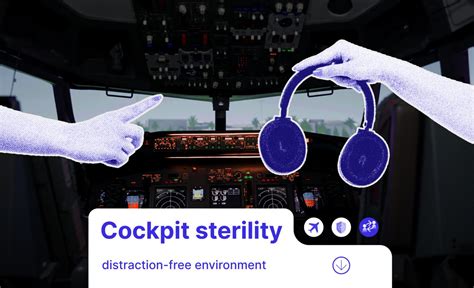
The concept of a sterile cockpit exists for a reason. During critical phases of flight, especially below 10,000 feet, pilots minimize nonessential conversation to reduce cognitive load and prevent distraction. The rule is not a vow of silence for the entire journey. At cruise altitude, conversation is permitted, and crews often use that time to maintain alertness through social interaction. The online account did not suggest that casual chatter intruded on takeoff or landing. If anything, it underscored how carefully pilots compartmentalize focus when the stakes are highest.
The episode reframed a familiar safety concept for the public. Hearing the rhythm of operational callouts interwoven with personal remarks makes the discipline of sterile cockpit rules feel less abstract. The contrast between quiet focus during critical moments and relaxed conversation at cruise height becomes audible, a reminder that safety is not only about rules but about context-sensitive attention.
What the Incident Means for Airlines and Passengers
For United, the takeaway is procedural clarity. Features like Channel 9 build goodwill and curiosity, but they also require airtight checks to ensure the right audio reaches the cabin. A simple preflight verification step can prevent an open mic from turning into a viral moment. For passengers, the episode offered a fleeting, unvarnished look at the people guiding the aircraft through invisible highways in the sky. It demystified the cockpit without undermining confidence in the crew’s professionalism.
The modern airliner is a cathedral of switches, software, and human judgment. Most days, those elements hum in harmony, unnoticed. On this flight, one small harmony slipped into dissonance, and the cabin heard a private chord. The sky did not fall. The plane landed safely. What lingered was a reminder that transparency, like altitude, is best managed with intention.