Starting flight training is an exciting and transformative journey, but it requires preparation and commitment. Whether you’re planning to take your private pilot license (PPL) or advance your skills to a more specialized rating, the groundwork you lay before your first lesson can significantly impact the efficiency and success of your training. In this guide, we’ll provide valuable insights and tips to help you hit the ground running and maximize your flight training experience.
Understanding the Fundamentals of Flight Training
Before you even sit in the cockpit, it’s essential to familiarize yourself with the fundamental principles of flight. Learning about aerodynamics, aircraft systems, and the basic physics behind flight will not only give you a theoretical foundation but also help you build confidence during actual flying lessons. It’s easy to feel overwhelmed in the cockpit at first, with the many controls and sensations, but having a solid understanding of these basics can make the experience smoother.
Key Concepts to Understand Before Training:
- Aerodynamics: Lift, thrust, drag, and weight.
- Aircraft systems: Understanding the basic components of the airplane, including the engines, controls, and avionics.
- Principles of flight: How and why an aircraft stays in the air, including the four forces of flight.
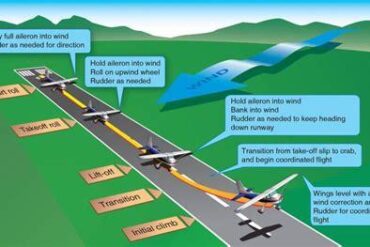
- Flight maneuvers: What you’ll be practicing in the air, such as stalls, turns, and climbs.
Incorporating these concepts into your study routine will help you feel more prepared and engaged once your practical training begins.
Medical Certification: A Crucial First Step
Before beginning any flight training, you must ensure you meet the medical requirements for the license you wish to obtain. In many countries, including the UK, you will need to pass a Class 2 medical examination to start flight training for a Private Pilot License (PPL). While the medical isn’t something you can study for, it’s essential to know the requirements and undergo this step before investing too much time or money into your training.
Medical Requirements for PPL:
- The medical examination assesses your overall physical and mental fitness to operate an aircraft.
- Some conditions, such as poor eyesight or a history of certain health issues, could disqualify you from flying. However, many conditions are manageable with the right treatment or accommodations.
- It’s recommended to get your medical certification early, as it can be time-consuming to schedule an appointment and complete any necessary paperwork.
Ground School: A Solid Foundation
While hands-on flying is undoubtedly the most exciting part of training, ground school is equally important. Ground school provides the theoretical knowledge required to fly safely and effectively. Many flight schools offer in-person or online ground school, covering topics like navigation, weather, airspace rules, and more.
Before your first flight, it’s beneficial to start learning these theoretical concepts. Even if your flight school doesn’t require you to do so, preparing yourself through online courses or books can make your practical training much easier and quicker.
Top Resources for Ground School:
- EasyPPL: An online resource offering comprehensive PPL theory material.
- Pooley’s PPL Books: A great collection of study guides, including topics from flight maneuvers to aerodynamics.
- YouTube Channels: Channels like Boldmethod or Flying YouTubers can give you an idea of what flight lessons will be like.
Flight Simulators: Preparing for the Real Thing
Although flight simulators can never fully replicate the experience of actual flying, they offer an excellent tool for building situational awareness and learning aircraft controls. Simulation software like Microsoft Flight Simulator or X-Plane provides an interactive way to practice maneuvers, navigation, and radio communication.
Using a flight simulator before starting your formal lessons can give you an idea of how flight instruments work and how different weather conditions affect flying. While it’s no substitute for real-world experience, the simulator allows you to practice procedures and build familiarity with aircraft handling, which will make your first flights more comfortable.
Simulator Tips for Beginners:
- Focus on basic maneuvers like turns, climbs, and descents.
- Try to use realistic weather and airspace settings to simulate actual flying conditions.
- Use PilotEdge or VATSIM for virtual air traffic control practice.
Radio Communication: Mastering ATC Phraseology
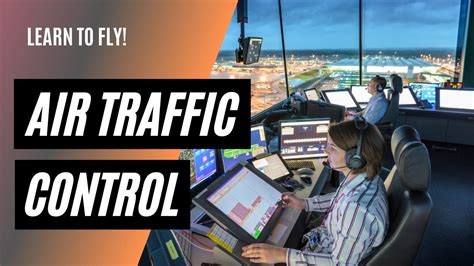
One of the critical skills every pilot must develop is effective radio communication. Air Traffic Control (ATC) communication is essential to flying safely, and becoming familiar with radio phraseology before starting your lessons can give you a significant advantage. Although you’ll learn the basics of ATC communication during your training, early exposure to radio procedures will allow you to feel more confident and reduce the pressure during actual flights.
Key Areas to Focus On:
- Phonetic alphabet: Learn how to pronounce letters and numbers clearly and correctly.
- ATC communication basics: Understand how to make clear requests, report your position, and respond to ATC instructions.
- Listening to live ATC transmissions: Services like LiveATC offer live streams of ATC communications, which is a great way to familiarize yourself with real-world interactions.
Scheduling and Frequency of Lessons
When starting flight training, one of the most important factors to consider is how often you will schedule lessons. In an ideal scenario, flying at least two to three times per week would allow you to progress quickly and efficiently. However, this isn’t always feasible, especially if you have a full-time job or family obligations. For many aspiring pilots, training on a part-time basis—around three times a month—is more practical.
If your schedule is limited, it’s essential to understand that your progress may be slower, and you might spend more time relearning skills between sessions. If possible, try to schedule more frequent lessons, even if it means saving up or adjusting other priorities. Some flight schools even offer payment plans to help manage the cost.
Planning for Weather and Cancellations
Weather plays a crucial role in flight training, especially when you’re starting out. While you can still learn the basics on the ground, poor weather conditions can result in lesson cancellations. Understanding this as part of the learning process will help you manage expectations and avoid frustration.
How to Manage Weather Interruptions:
- Be flexible with your schedule: Try to keep a few backup dates available in case your original lesson is canceled due to weather.
- Check the forecast: Stay informed about local weather conditions so you can better plan for potential cancellations.
- Use cancellations as learning opportunities: You can spend this time reviewing flight theory, watching instructional videos, or practicing your radio communication skills.
The Right Mindset for Success
Finally, the most important thing you can do before starting flight training is to cultivate the right mindset. Flight training can be both mentally and physically challenging, and it’s important to approach each lesson with patience and focus. There will be moments when you feel overwhelmed, but persistence and consistent effort will lead to success.
Key Attributes for Success:
- Patience: Recognize that flying is a skill that takes time to develop.
- Focus: Stay present in each lesson and give it your full attention.
- Resilience: Don’t be discouraged by setbacks. Learn from mistakes and keep improving.
In conclusion, the best way to prepare for flight training is by creating a strong foundation before you even set foot in the cockpit. Study theory, understand the fundamentals of flying, and practice in flight simulators or with other preparatory materials. This will not only enhance your flying experience but also ensure you’re making the most of your training time.
Good luck with your flight training, and remember, every great pilot starts with the right preparation!