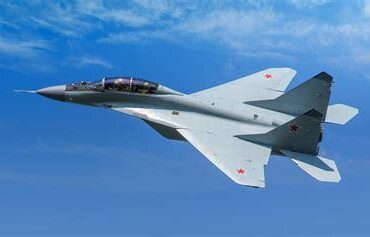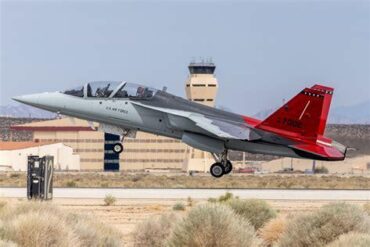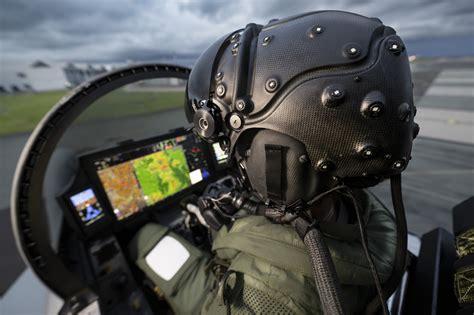
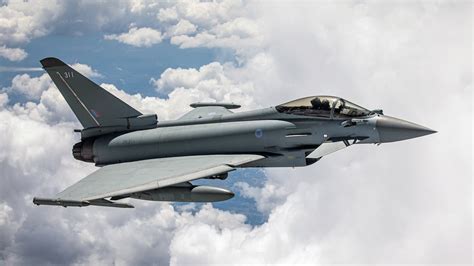
Becoming a Royal Air Force (RAF) fighter pilot—whether flying the Eurofighter Typhoon or the F-35 Lightning II—is one of the most demanding yet prestigious career paths in the world of aviation. Every year, thousands apply, but only a handful succeed. With a reported 2% success rate for pilot applications, the journey is as competitive as it is rewarding. In this comprehensive guide, we outline exactly what it takes to earn your wings, from education and fitness to leadership and security clearance.
Understanding the RAF Fighter Pilot Pathway
Before we explore training and requirements, it’s essential to understand the RAF pilot structure. Not every pilot ends up in a fast jet; assignments depend on ability, performance, and operational need. While many aspire to the Typhoon or F-35, others will serve in multi-engine or rotary-wing roles. The decision is made before you begin formal training, emphasizing the importance of excelling at every stage.
RAF Pilot Training Overview
| Stage | Training Phase | Duration | Location | Focus |
|---|---|---|---|---|
| 1 | Officer and Aircrew Selection Centre (OASC) | 3–5 days | RAF Cranwell | Aptitude tests, interviews, fitness |
| 2 | Initial Officer Training (IOT) | ~24 weeks | RAF Cranwell | Leadership, discipline, teamwork |
| 3 | Elementary Flying Training (EFT) | ~6 months | RAF Wittering or RAF Barkston Heath | Basic flying and handling skills |
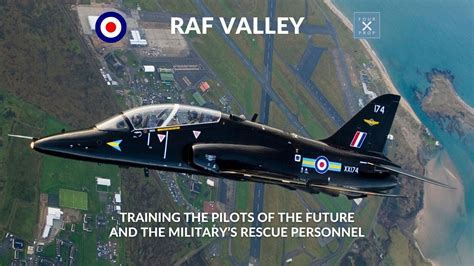
| 4 | Fast Jet Training | 1–2 years | RAF Valley | Tactical flying, air combat maneuvers |
| 5 | Operational Conversion Unit (OCU) | 9–12 months | RAF Coningsby or RAF Marham | Type-specific fighter training (Typhoon/F-35) |
Education and Academic Preparation
To qualify for RAF pilot training, candidates typically require at least 5 GCSEs (A–C), including English, Mathematics, and Science. While a degree is not mandatory, it offers several advantages. University graduates often display stronger critical thinking, leadership, and communication skills—all essential for officer roles.
Those pursuing A-levels are encouraged to accumulate 180 UCAS points, and applying for an RAF Bursary during sixth form can provide both financial aid and mentorship. Additionally, joining a University Air Squadron (UAS) allows undergraduates to gain early flying experience, leadership exposure, and insights into military aviation culture.
The Role of the Air Cadets
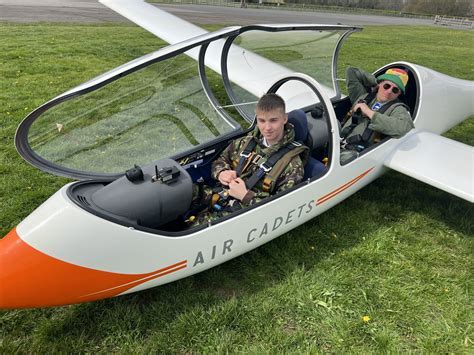
One of the most valuable preparatory steps is joining the Air Training Corps (ATC), commonly known as the Air Cadets. Cadets aged 12 to 20 receive structured training that mirrors RAF ethos and discipline. For aspiring fighter pilots, the cadet experience provides a foundation of aviation knowledge, teamwork, and leadership.
Typical Cadet Benefits Include:
- Free or subsidized powered flight and gliding opportunities
- Access to RAF station visits and official parades
- Leadership and fieldcraft training
- BTEC qualifications in aviation studies
- Affordable monthly participation (~£10)
- Camps across UK and Europe offering practical experience
Cadets are often the first to gain hands-on exposure to aviation and develop qualities that selection boards look for in future officers.
Extracurricular Leadership and Personal Development
The RAF doesn’t just recruit pilots—it recruits officers. This means leadership, teamwork, and discipline weigh heavily in the selection process. Candidates who have led sports teams, organized school societies, or volunteered in community programs stand out significantly. Leadership roles prove initiative, responsibility, and the ability to make sound decisions under pressure—skills critical for aerial operations.
We recommend involvement in:
- Team sports (rugby, football, or athletics)
- Leadership positions (club president, cadet leader)
- Community service or volunteering
- Adventure training, which builds resilience
These experiences cultivate the RAF’s core values: Respect, Integrity, Service, and Excellence.
Physical Fitness and Medical Standards
Physical and mental endurance are as crucial as academic ability. RAF pilots must pass demanding fitness and medical assessments that ensure candidates can withstand the stresses of flight operations.
RAF Fitness Requirements:
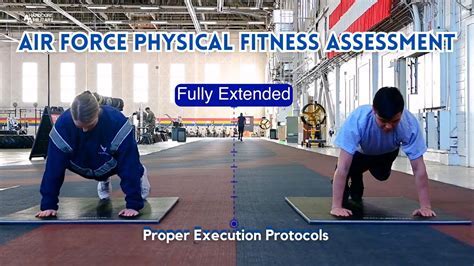
- 1.5-mile run in under 10 minutes 30 seconds (men) or 13 minutes 15 seconds (women)
- Press-ups and sit-ups within time limits based on age
- Swimming test: 100 meters unassisted in flying suit, demonstrating water survival capability
Maintaining consistent fitness is vital, as pilot training demands exceptional stamina, coordination, and mental alertness.
Security Vetting and Eligibility
Every aircrew candidate must undergo Developed Vetting (DV)—the UK’s highest level of security clearance. This ensures the individual poses no national security risk. Applicants with dual nationality or overseas backgrounds are assessed individually, based on personal history, travel records, and family ties.
Being raised in the UK since childhood generally does not disqualify applicants with foreign heritage, provided there are no conflicting loyalties or security risks. Candidates are encouraged to review the UKSV guidance on vetting procedures at gov.uk.
Flying Experience and Preparation
While flying experience is not required, it gives candidates a significant advantage in Elementary Flying Training (EFT). Joining local gliding clubs or completing a Gliding Scholarship demonstrates early commitment to aviation. Many successful candidates report that their first solo glider flight was a transformative moment that reinforced their passion for flight.
Recommended Preparatory Steps:
- Join the British Gliding Association (BGA)
- Seek retired RAF pilots as mentors
- Log hours in flight simulators
- Study aerodynamics, meteorology, and navigation basics
These activities improve confidence and situational awareness—key factors for success in the cockpit.
Selection Process: From Application to Wings
Applying to become an RAF pilot involves a multi-stage selection process, each assessing different aspects of aptitude, personality, and potential.
Step-by-Step Overview
- Online Application — Submit credentials and motivation statement.
- CBAT (Computer-Based Aptitude Test) — Measures hand-eye coordination, multitasking, and cognitive ability.
- OASC Interview & Group Exercises — Leadership, communication, and teamwork are evaluated.
- Medical & Fitness Tests — Ensure compliance with RAF health and endurance standards.
- Security Vetting — Full background investigation through UKSV.
- Training Assignment — Successful candidates receive an officer training offer.
At this point, your journey officially begins—with the RAF Cranwell commissioning course marking your transformation from civilian to officer.
Life as a Fast Jet Pilot
Upon completing advanced jet training at RAF Valley, pilots progress to their Operational Conversion Unit (OCU)—either RAF Coningsby (Typhoon) or RAF Marham (F-35). Here, training focuses on combat readiness, mission systems, and tactical operations.
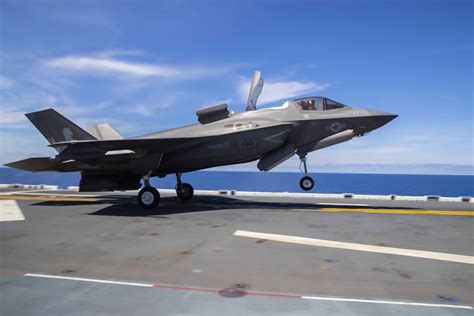
Flying a Typhoon involves mastering air-to-air and air-to-ground missions, while the F-35B Lightning II introduces stealth, advanced sensor fusion, and short takeoff and vertical landing (STOVL) capabilities.
Fast jet pilots often deploy globally, contributing to NATO air policing, combat air patrols, and joint operations with allies. It’s a demanding lifestyle—rotations, exercises, and long deployments are common—but it offers unparalleled professional pride.
Common Challenges and Realities
Becoming an RAF fighter pilot is not a glamorous movie scenario—it’s a test of persistence, humility, and adaptability. Candidates must endure intensive study, strict discipline, and frequent evaluations. Not everyone will reach the fast jet stream; some will be re-assigned to multi-engine or rotary aircraft.
However, even those who don’t fly fast jets serve in pivotal operational roles—transport, refueling, surveillance, and humanitarian missions. The RAF values skill diversity and ensures every pilot contributes meaningfully to mission success.
Final Thoughts
If your dream is to pilot a Typhoon or F-35, start early. Build academic strength, leadership experience, and physical fitness. Join the Air Cadets, seek aviation mentors, and immerse yourself in flight theory. The path is arduous, but every step builds resilience—the hallmark of every great pilot.
Persistence, integrity, and preparation define who makes it to the cockpit. For those willing to dedicate themselves, the reward is beyond compare: wearing the RAF wings and defending the skies of the United Kingdom.
FAQs About Becoming an RAF Fighter Pilot
1. Do I need a degree to become an RAF pilot?
No, a degree is not mandatory. However, university graduates often have an advantage in leadership and analytical skills. Those studying can join a University Air Squadron (UAS) for early flying experience and mentorship.
2. Can someone with a foreign background join the RAF as a pilot?
Yes. Applicants with overseas backgrounds, including Middle Eastern heritage, are eligible if they have British citizenship and pass Developed Vetting (DV) security clearance. Each case is individually reviewed.
3. How long does it take to become an RAF fighter pilot?
From application to operational status, the process typically takes 5–7 years. This includes officer training, basic flight training, fast jet school, and conversion to a frontline fighter type like the Typhoon or F-35.