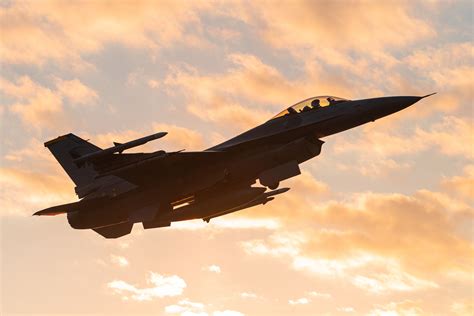
What happens when a fighter jet is retired? Contrary to popular belief, retirement is rarely the end of the story for these highly sophisticated military machines. Fighter aircraft represent enormous investments of technology, engineering, and national resources. Even after leaving frontline military service, many continue serving in new roles for decades. Some are transferred to allied nations, others become training assets, museum exhibits, test platforms, spare-parts donors, or even targets. A select few are preserved as flying historical treasures, while others are quietly dismantled and recycled.
The journey of a retired fighter jet reveals a fascinating intersection of military strategy, economics, technology, and history. Depending on the aircraft’s condition, capabilities, and political considerations, retirement can mark the beginning of an entirely different mission.
The End of Frontline Service Is Not the End of a Fighter Jet’s Life
Fighter aircraft are designed for demanding operational environments. They endure extreme aerodynamic stresses, high-G maneuvers, carrier landings, harsh weather conditions, and thousands of flight hours. Yet retirement does not necessarily mean an aircraft has reached the absolute limit of its structural life.
Many air forces retire aircraft not because they are unusable, but because newer generations offer superior capabilities. Advances in stealth technology, sensors, radar systems, weapons integration, and electronic warfare often make older fighters less competitive despite remaining airworthy.
This is particularly common among wealthy Western nations. Air forces frequently replace aircraft while substantial service life remains, creating opportunities for those aircraft to continue operating elsewhere. The result is a global secondary market where retired fighters often find entirely new careers.
After retirement, military authorities evaluate each aircraft individually. Decisions are based on structural condition, remaining flight hours, maintenance requirements, operational relevance, and potential resale value. From there, each fighter begins a unique post-service journey.
Retired Fighter Jets Often Receive a Second Life in Another Air Force
One of the most common destinations for retired fighter aircraft is another country’s military.
Nations with larger defense budgets frequently replace aircraft long before they become obsolete, allowing less affluent air forces to acquire proven combat platforms at a fraction of the original cost. These transfers can significantly enhance military capabilities while avoiding the expense of purchasing newly manufactured aircraft.
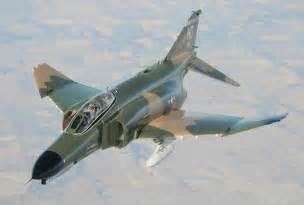
Countries across Europe have become particularly active in this practice. As modern fifth-generation fighters enter service, older but still capable fourth-generation aircraft are being transferred to allied nations. Retiring F-16 fleets from Denmark, Belgium, Norway, and the Netherlands have found new homes in countries such as Romania, Argentina, and Ukraine.
France has similarly exported retired Mirage variants and other combat aircraft to partner nations seeking affordable modernization solutions. Even aircraft approaching the later stages of their operational lives can provide years of valuable service when maintained properly.
The transfer process involves extensive refurbishment, inspection, training, logistics support, and modernization programs. Aircraft may receive upgraded avionics, new communication systems, and compatibility modifications before entering service with their new operators.
In some cases, geopolitical developments accelerate these transfers. Wartime requirements have recently transformed retired aircraft from reserve assets into urgently needed frontline equipment, demonstrating the strategic value of preserving older fighter fleets.
The Famous Aircraft Boneyards Preserve Thousands of Military Aircraft
Perhaps the most recognizable destination for retired fighter jets is the aircraft boneyard.
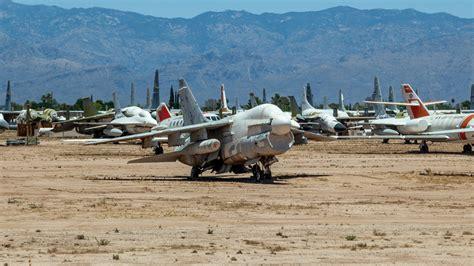
The world’s most famous example is located in the Arizona desert, where thousands of retired military aircraft are stored under carefully controlled conditions. The dry climate dramatically slows corrosion, making it an ideal environment for long-term preservation.
These facilities are far more organized than simple scrapyards. Aircraft are cataloged, inspected, maintained, and protected according to specific preservation standards. Some remain in storage for years while awaiting potential reactivation, foreign military sales, or spare-parts harvesting.
Storage allows governments to maintain strategic flexibility. If circumstances change, selected aircraft can sometimes be returned to service. This capability has proven valuable during periods of heightened military demand when operational aircraft are needed quickly.
The aircraft preserved in these facilities range from iconic Cold War fighters to relatively modern combat aircraft. Rows of retired fighters stretching across the desert create one of the most striking visual representations of military aviation history.
Not all countries maintain dedicated boneyards on the same scale. In many nations, retired aircraft are dispersed among various air bases, making it difficult for analysts to determine actual fleet inventories. Satellite imagery often becomes one of the few tools available for estimating the status of stored military aircraft.
Retired Fighters Become Flying Laboratories and Test Platforms
Many fighter jets continue contributing to military innovation long after their combat careers end.
Retired aircraft frequently become testbeds for experimental technologies. Engineers use these platforms to evaluate new avionics, sensors, communication systems, autonomous capabilities, and weapons integration concepts without risking operational frontline aircraft.
These flying laboratories provide invaluable opportunities to test emerging technologies under real-world conditions. Researchers can collect data, validate designs, and refine systems before implementing them in active combat fleets.
Modified aircraft have supported countless aviation breakthroughs. New flight-control systems, radar technologies, electronic warfare suites, and artificial intelligence applications have often been tested aboard retired fighters.
Because these aircraft are no longer expected to perform operational missions, engineers enjoy greater flexibility when modifying them extensively. Entire sections may be redesigned to accommodate experimental equipment.
Some aircraft remain in this role for decades, serving as indispensable research tools long after their original combat missions have ended.
Target Drones and Weapons Testing Give Fighters One Final Mission
For some retired fighter jets, retirement leads directly to one final assignment: becoming targets.
Military forces require realistic aerial targets to test missiles, evaluate weapons systems, and train personnel. Retired fighters offer ideal platforms because they accurately replicate the size, speed, and flight characteristics of actual combat aircraft.
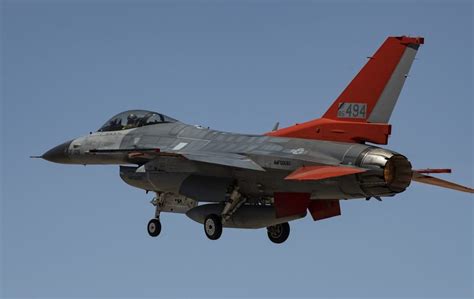
Rather than simply parking obsolete aircraft, militaries often convert them into remotely piloted drones capable of sophisticated flight operations. These modified aircraft can execute realistic maneuvers while carrying instrumentation that records performance data during weapons tests.
The United States has famously transformed retired fighter fleets into target drones. Many veteran aircraft that once served in combat ultimately completed their careers by helping validate next-generation missile systems.
While the outcome is usually destruction, these aircraft continue contributing to national defense by ensuring future weapons perform as intended.
Private Aggressor Companies Create New Careers for Old Fighters
An increasingly important destination for retired fighter aircraft is the private defense industry.
Military pilots require realistic adversary training. Instead of dedicating active-duty fighters to every training scenario, armed forces increasingly hire private companies that operate fleets of retired military aircraft.
These aggressor companies simulate enemy tactics, challenge frontline pilots, and create highly realistic combat-training environments. The industry has grown dramatically in recent years as military organizations seek cost-effective solutions for advanced training requirements.
Private operators maintain diverse fleets that include former military aircraft from around the world. Retired fighters such as Mirage F1s, Kfirs, F-16s, F-5s, Skyhawks, MiG-21s, and other legendary aircraft continue flying thousands of hours annually in support of military exercises.
For many aircraft, aggressor service extends operational life by decades. Fighters once destined for storage or dismantlement instead remain airborne, contributing directly to pilot readiness and combat preparedness.
These organizations have become a crucial part of the modern military aviation ecosystem, proving that retirement can create entirely new commercial opportunities.
Some Fighter Jets Are Scrapped and Recycled
Despite the many alternative paths available, a significant number of retired fighter aircraft eventually face dismantlement.
Aircraft retirement often occurs because structural fatigue, maintenance costs, or technological obsolescence make continued operation impractical. In these cases, dismantling becomes the most economical solution.
However, modern fighter jets are far more difficult to recycle than many people realize.
Advanced combat aircraft contain sophisticated composite materials, specialized alloys, classified coatings, and sensitive electronic systems. Stealth aircraft are especially challenging because their radar-absorbing materials often remain highly sensitive even after retirement.
Governments frequently supervise disposal processes closely to prevent sensitive technologies from entering unauthorized hands. Certain aircraft undergo extensive demilitarization procedures before dismantling begins.
Parts salvage remains a major component of the recycling process. Engines, hydraulic components, avionics, landing gear assemblies, and structural elements may be removed and reused. These salvaged parts help sustain active fleets and reduce maintenance costs.
In some cases, components extracted from retired aircraft contribute directly to the construction or maintenance of newer aircraft, extending their value long after retirement.
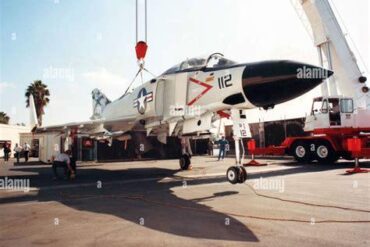
Museums Preserve Aviation History for Future Generations
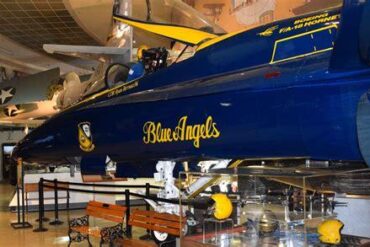
For aviation enthusiasts, the most inspiring retirement destination is undoubtedly the museum.
Across the world, thousands of fighter aircraft have been preserved as historical artifacts. These aircraft tell the story of technological progress, military history, and the individuals who flew and maintained them.
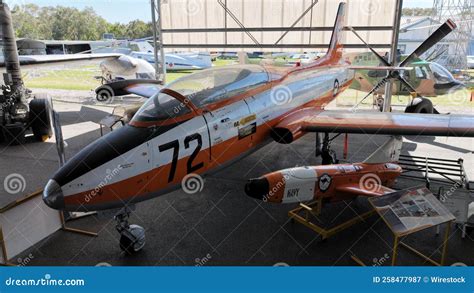
Museum collections range from pioneering jet fighters of the early Cold War to advanced aircraft that only recently left military service. Each preserved aircraft offers a tangible connection to the past.
Preparing a fighter for museum display often requires extensive work. Weapons systems are removed, classified equipment is stripped out, and restoration specialists repair years of operational wear. Some aircraft receive meticulous cosmetic restoration to return them to their original appearance.
Large aviation museums may display dozens of fighter aircraft representing multiple generations of military aviation. Visitors can trace the evolution of technology from early supersonic interceptors to modern multirole combat aircraft.
A small number of museum aircraft are restored to flying condition. These flying examples serve as living history exhibits, allowing new generations to experience the sights and sounds of legendary aircraft in motion.
Organizations dedicated to aviation heritage invest significant resources in preserving these rare machines, ensuring important chapters of aerospace history remain accessible.
Decoys, Drones, and Unconventional Second Lives
Retirement can lead to some remarkably creative uses.
As drone warfare expands, older aircraft increasingly serve unconventional roles. Some nations have explored converting retired fighters into unmanned strike platforms or expendable attack systems capable of overwhelming enemy defenses.
Others use retired airframes as highly realistic decoys. During modern conflicts, airfields face constant threats from missiles and drones. Genuine aircraft hulks provide convincing targets that can attract enemy attacks away from valuable operational assets.
Unlike wooden mockups or inflatable decoys, retired fighter airframes possess authentic shapes, radar signatures, and visual characteristics. This makes them particularly effective tools for deception operations.
Elsewhere, retired aircraft may serve as instructional tools at military academies, maintenance schools, engineering programs, and technical training facilities. Students gain hands-on experience working with real military hardware that would otherwise be inaccessible.
Some aircraft become static monuments displayed outside military bases, airports, government buildings, or public parks. These monuments honor military service while preserving iconic aircraft as symbols of national heritage.
Unfortunately, not every retired fighter receives careful preservation. In parts of the world with limited resources, abandoned aircraft slowly deteriorate in the open air. Exposed to weather and neglect, once-proud combat machines gradually fade into rusting relics of past eras.
The Remarkable Afterlife of a Fighter Jet
The retirement of a fighter jet rarely marks the end of its usefulness. Instead, it often begins a new chapter filled with unexpected possibilities. Some continue flying under different flags. Others help train pilots, test weapons, support research, preserve history, or deceive enemy forces. A few become treasured museum centerpieces, while others quietly surrender their components to sustain future fleets.
Every retired fighter carries decades of technological innovation, operational experience, and historical significance. Whether preserved in a museum, stored in a desert boneyard, transformed into a target drone, or reborn as an aggressor aircraft, these machines continue serving long after leaving frontline duty.
Their post-retirement journeys reveal a simple truth: in military aviation, retirement is rarely a final destination. More often, it is merely the beginning of another mission.