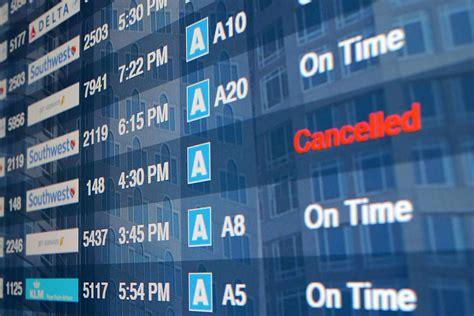
When air travel plans unravel due to cancellations, passengers are often left scrambling to find solutions. Understanding your rights and knowing how to act swiftly can transform a frustrating ordeal into a manageable detour. As of late 2024, the U.S. Department of Transportation (DOT) has introduced enhanced regulations that strengthen passenger protections and streamline refund processes for flight disruptions.
Immediate Actions When Your Flight Is Canceled
The first few minutes after learning about a canceled flight are critical. The way you respond determines how quickly you’re back in the air—or comfortably rebooked with minimal stress.
Step one: Get online before getting in line. Airline mobile apps now offer some of the fastest and most efficient tools for rebooking, especially if you already have your six-character reservation code. The app’s interface typically lets you select from available alternate flights at no extra charge.
Step two: Call international airline customer service numbers. U.S. lines are often overwhelmed during widespread cancellations, but many international call centers for the same airlines remain accessible. While this may incur international call fees, it can significantly shorten wait times and offer quicker rebooking.
Step three: Explore all digital communication channels. Social media platforms like X (formerly Twitter), WhatsApp, or live chat features on airline websites can expedite support. Agents manning these platforms are often different from those handling call queues and might provide faster responses.

Know Your Rights Under New DOT Refund Policies
In 2024, the DOT unveiled sweeping reforms that make refunds for canceled and heavily delayed flights automatic and legally binding. The goal: eliminate red tape and empower consumers with straightforward processes.
Passengers are now entitled to an automatic cash refund if:
- Their domestic flight is canceled or delayed by at least three hours.
- Their international flight is delayed by at least six hours.
- The rescheduled flight adds additional layovers.
- The new route includes a different departure or arrival airport.
- They’re downgraded to a lower service class.
- They have disabilities and are rerouted to less accessible flights.
Important: Passengers must choose between a refund and an alternative flight. Accepting a rebooked flight waives refund eligibility.
Rebooking Strategies That Work
If rebooking is your priority, be proactive. Don’t wait for gate agents to call your name. Research available alternatives across the same or other airlines. Although U.S. carriers are not required to accommodate you on a different airline, many agents will try if no options exist within their own system.
Rebooking tips:
- Search airline websites and apps for same-day or next-day departures.
- Look into partner airlines or codeshare flights, which may offer more flexible booking.
- Keep track of your aircraft’s location and status using FlightAware or FlightRadar24. If your inbound aircraft is significantly delayed or grounded, this may indicate an impending cancellation.

Securing Accommodations and Compensation
For overnight delays, securing a hotel should be an immediate priority—especially if you’re dealing with last-flight-of-the-day cancellations. Airport hotels fill quickly during mass disruptions.
In some cases, airlines will provide compensation, especially for controllable disruptions such as technical issues or staffing shortages. The DOT’s Cancellation and Delay Dashboard allows travelers to see what specific airlines will provide:
- Meal vouchers
- Hotel accommodations
- Transportation to/from airport hotels
Use this tool when negotiating with an airline agent and always ask explicitly for what you’re entitled to under the new federal guidelines.
Refund Timelines and Processes
When eligible for a refund, the DOT mandates the following refund windows:
- Credit card purchases: Refunds must be issued within seven days.
- Other payment methods (debit, cash, check): Refunds must be processed within 20 days.
These policies have been designed to simplify refunds that were once mired in bureaucracy. You no longer need to submit paperwork or call repeatedly—airlines are obligated to refund automatically when criteria are met.
What to Do If Your Flight Is Delayed
Flight delays can be just as disruptive. You may be entitled to a full refund—again, only if you don’t board the rescheduled flight. Situations that qualify:
- Delays of 3+ hours (domestic) or 6+ hours (international)
- Change in airports
- Downgrades in flight class
- Inaccessible rebookings for passengers with disabilities
If you decline to take the delayed flight, request a cash refund through the app or with an agent. If you continue with your journey, inquire about compensation options, including:
- Free meal vouchers
- Airport lounge passes
- Hotel rooms for overnight waits
Why Flights Are Being Canceled More Frequently
While airlines have improved in turning potential cancellations into delays, several factors beyond airline control still cause massive disruptions:
- Severe weather: Thunderstorms, hurricanes, and winter storms can affect not only your airport but also the departure location of your aircraft.
- Air traffic control shortages: The FAA has struggled with staffing gaps, particularly in congested zones like New York City. Even with record hiring, retirements and training gaps remain unresolved.
How to Avoid Cancellations and Delays in the Future
While you can’t eliminate all travel risks, strategic planning can dramatically reduce your exposure to delays.
- Book early morning flights: These are statistically less likely to be delayed.
- Avoid weekend travel: Tuesdays and Wednesdays offer fewer crowds and fewer disruptions.
- Choose longer layovers: Give yourself margin time to make connections.
- Fly nonstop whenever possible: Fewer stops = fewer opportunities for delays.
- Depart from alternate airports: Consider nearby international hubs that have more reliable departure histories.
Use Technology to Your Advantage
Tracking tools like FlightAware, FlightRadar24, and TripIt Pro can give you real-time updates on your aircraft’s movement. If the incoming plane is stuck, you’ll know before the gate agent makes an announcement.
You can also use the airline’s app to monitor weather alerts, airport delays, and gate changes. Turn on notifications and check early—sometimes days ahead.
The Role of Travel Credit Cards and Insurance
For frequent and occasional travelers alike, the right credit card can offer powerful protections:
- Chase Sapphire Preferred ($95/year): Offers cancellation and delay coverage.
- Amex Platinum ($695/year): Includes trip interruption reimbursement, concierge rebooking, and access to airport lounges.
Additionally, even the most basic airline credit cards waive checked baggage fees and provide priority boarding. Premium cards often reimburse hotel and meal expenses incurred during flight delays.
If you don’t use travel cards, consider standalone travel insurance, especially for international or multi-leg journeys. Coverage usually includes flight cancellations, document loss, and emergency accommodation expenses.
Working with a Travel Advisor for Better Support
Professional travel advisors have direct access to airline corporate desks and support channels not available to the public. Their advocacy can make the difference between a 24-hour delay and getting on the next flight home.
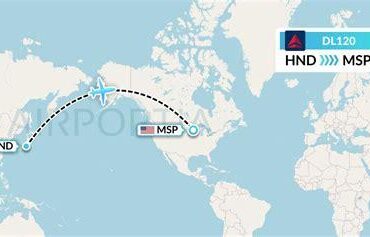
Case in point: A couple flying business class from Tokyo to Newark had their flight canceled due to technical issues. While they waited in line at the counter, their advisor was already on the phone with United’s corporate desk and secured them alternative seats—same day, same class.
Pack Smart: Why Traveling Light Matters
When your plans go awry, traveling with only carry-on luggage significantly improves your chances of a hassle-free rebooking. Airlines struggle to reroute checked baggage quickly, especially during mass disruptions or on different carriers without interline agreements.
Carry-on travelers:
- Avoid lost luggage
- Can switch flights more easily
- Don’t have to wait in long bag claim lines
For longer trips, consider a hybrid packing strategy: a personal item with essentials and a carry-on with clothes. If absolutely necessary to check a bag, keep critical items—medication, electronics, documents—in your cabin baggage.
Final Thoughts
Flight cancellations are no longer the chaos-inducing events they once were—if you’re prepared. By staying informed, utilizing technology, and understanding your legal rights under the DOT’s 2024 reforms, you can navigate disruptions with confidence. Combine this with smart packing, early planning, and strong support tools, and you’ll retain control of your travel plans even when airlines lose theirs.