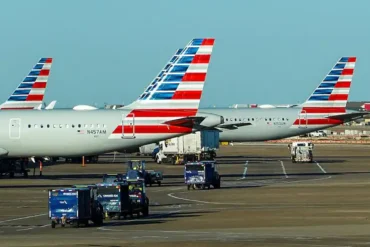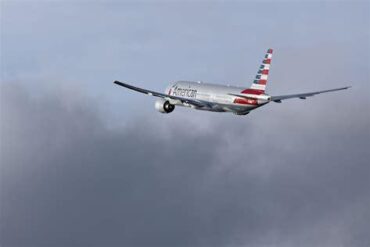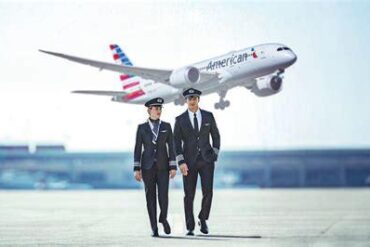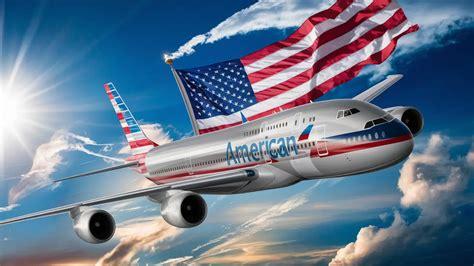
In 2013, the landscape of commercial aviation in the United States underwent a seismic shift with the merger of American Airlines and US Airways, forming what is now the largest airline in the world by passengers carried and fleet size. This consolidation not only shaped the future of both companies but also redefined competitive dynamics in the global airline industry.
The Historical Roots of US Airways
US Airways’ origins trace back to 1939, when it began operations as All American Aviation in Pittsburgh. Initially providing mail delivery services, the airline expanded rapidly across the South and Midwest, later shifting to passenger services. Through decades of acquisitions and regional growth, it evolved into a prominent East Coast carrier.
By 1997, the airline rebranded itself as US Airways, building a vast domestic and international network. However, its history was riddled with turbulence. Financial instability followed the 9/11 terrorist attacks, and a failed merger with United Airlines in 2004 further strained operations. It rebounded through a strategic merger with America West Airlines in 2005, with the new entity adopting the stronger US Airways brand.
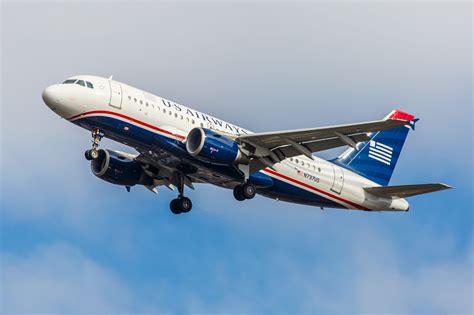
During its peak, US Airways operated up to 3,031 daily flights across North America, the Caribbean, Europe, and parts of the Middle East. The carrier was especially dominant in Charlotte, Philadelphia, and Phoenix, three of its key hubs. Despite its expansive network and loyal customer base, it continued to face structural challenges and increasing market pressure.
American Airlines: A Giant in Recovery
American Airlines, under its parent AMR Corporation, was once the world’s leading airline but entered bankruptcy protection in 2011. Amidst industry-wide economic stress, high fuel prices, and competition from low-cost carriers, American needed a strategic plan to recover.
The company evaluated multiple options during its restructuring phase, eventually recognizing that a merger with a similarly challenged but complementary carrier could offer a path forward. That carrier was US Airways, which had weathered past downturns and possessed valuable operational infrastructure in regions where American lacked strength.
Why the Merger Made Strategic Sense
The union of American and US Airways was not just about survival — it was a calculated move to achieve market leadership. American Airlines, with its global reach and strong transatlantic presence, was complemented by US Airways’ dominance in the domestic East Coast market and emerging presence in the West.
Together, the merged airline could:
- Streamline overlapping routes for better efficiency
- Expand connectivity by integrating hubs and regional operations
- Reduce costs through operational synergies and shared infrastructure
- Enhance competition with United and Delta, both of which had already executed successful mergers
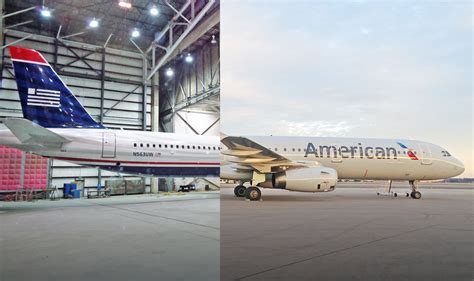
By February 2013, the merger was formally announced. American’s parent, AMR Corporation, held 72% ownership in the newly formed American Airlines Group Inc., while US Airways shareholders retained 28%. The brand, name, and livery of American Airlines were chosen for continuity and global recognition.
Regulatory Scrutiny and Legal Hurdles
The deal didn’t proceed without opposition. In August 2013, the U.S. Department of Justice and several states filed a lawsuit to block the merger, citing antitrust concerns that the merger would lead to reduced competition and higher fares. The lawsuit argued that the merger would disproportionately affect key markets such as Washington D.C. and New York City.
A settlement was reached later in November 2013, wherein the merged airline agreed to relinquish takeoff and landing slots at LaGuardia (LGA) and Washington Reagan National (DCA). This cleared the regulatory pathway, and the holding company, American Airlines Group, began public trading on December 9, 2013.
Integration Timeline and Branding Transition
Although the holding companies had merged in 2013, a complete operational consolidation required time. It was not until April 2015 that the Federal Aviation Administration (FAA) issued a single operating certificate for the merged airline. Until then, both carriers operated flights independently under their respective brands.
The final US Airways flight, Flight US1939 — a symbolic nod to the carrier’s founding year — departed Philadelphia on October 16, 2015, making a farewell tour through Charlotte, Phoenix, and San Francisco, before returning to Philadelphia.
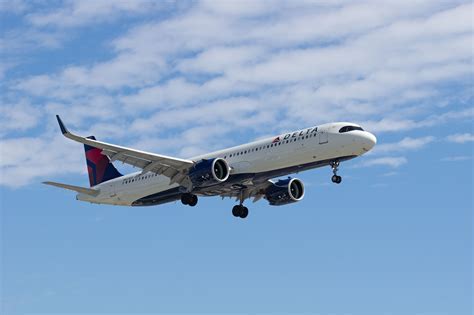
The last phase of the integration involved repainting aircraft in the American livery, which was completed by November 2016. With this, the US Airways brand officially ceased to exist, capping off a 76-year history.
Operational and Organizational Shifts Post-Merger
Prior to the merger, US Airways maintained three headquarters over the decades: Pittsburgh, Crystal City, Virginia, and later, Tempe, Arizona. Following the merger, the operational nerve center shifted to Fort Worth, Texas, where American Airlines is headquartered. This move marked not only a logistical shift but a cultural integration of two vast corporate ecosystems.
The integration of employee systems, crew schedules, customer service protocols, and frequent flyer programs (with US Airways’ Dividend Miles merging into American’s AAdvantage) was among the most ambitious in the airline industry. Despite the enormity of the task, American managed the transition with minimal disruption to customers.
Controversies and Legal Appeals
Not everyone welcomed the merger. In 2013, a group of passengers and travel agents filed an antitrust lawsuit, alleging that reduced competition would drive up fares. While the lawsuit was dismissed, it escalated to the Supreme Court, which ultimately upheld the dismissal.
Despite this, many industry insiders and analysts saw the merger as a necessary evolution in an increasingly consolidated U.S. airline market. With Delta absorbing Northwest and United merging with Continental, American needed a partner to remain competitive on a global scale.
American Airlines Today: A Product of the Merger
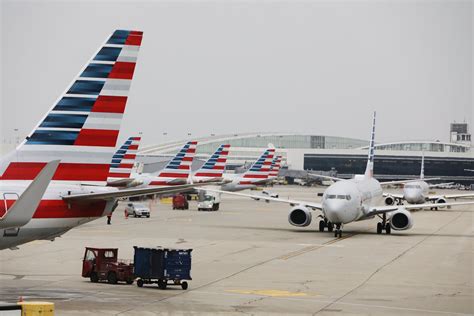
The results of the merger are evident today. American Airlines operates more than 1,000 aircraft, making it the largest airline by fleet size. Its hubs span major U.S. cities, including Dallas/Fort Worth (DFW), Miami (MIA), Chicago (ORD), and Los Angeles (LAX), providing extensive domestic and international reach.
The airline carries over 200 million passengers annually, offering service to 350 destinations in more than 50 countries. These metrics were unimaginable without the foundational growth spurred by the US Airways merger.
Legacy and Lessons
The merger of American Airlines and US Airways is a case study in corporate survival, strategic integration, and market adaptation. While both airlines individually faced uncertain futures, their union demonstrated how scale and synergy can reinvent legacy carriers.
Critics often highlight the short-term fare hikes and decreased competition in select markets. However, proponents point to the improved efficiency, broader route offerings, and enhanced passenger amenities that a larger, unified airline can provide.
The legacy of US Airways lives on not just in retired slogans or vintage aircraft, but in the operational DNA of the world’s most influential airline. From frequent flyer program enhancements to expanded international alliances, the merger remains a pivotal moment in U.S. aviation history.
Conclusion: A Defining Moment in Aviation
The merger between American Airlines and US Airways was far more than a corporate consolidation; it was a transformative event that reshaped modern aviation. What emerged was not merely a bigger airline, but a global powerhouse capable of influencing air travel trends, pricing structures, and passenger expectations across continents.
As consolidation continues to define airline economics, the lessons from this merger — strategic alignment, regulatory navigation, and operational excellence — serve as a blueprint for future industry shifts. American Airlines may now soar under a single banner, but its flight path was forever altered by the wings of US Airways.