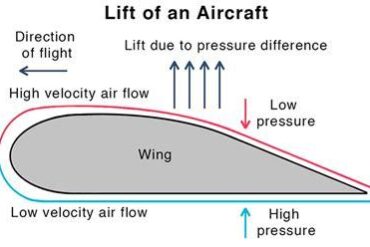
The generation of lift is not a simple matter of speed differences; it is fundamentally driven by pressure differences. When an airfoil’s upper surface experiences faster-moving air, the pressure drops. On the other hand, the slower-moving air beneath the wing leads to a higher pressure. This differential creates an upward force, which is lift.
Lift can be described as the result of the downward deflection of air. The wing redirects the air downwards as it passes over the airfoil, which, according to Newton’s third law of motion, generates an equal and opposite upward force. This redirection of airflow and the resulting pressure difference are what allow an aircraft to achieve and maintain flight.
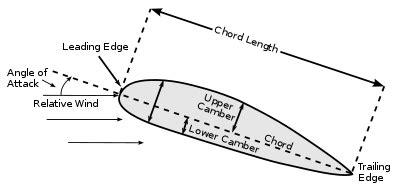
In summary, the faster airflow over the top of an airfoil is primarily a result of the curvature of the wing, the angle of attack, and the principles of fluid dynamics. The key to lift generation lies not only in the speed of the airflow but in the resulting pressure differences between the top and bottom of the wing. Bernoulli’s principle and the careful design of airfoil geometry and angle of attack allow aircraft to achieve the necessary lift to become airborne.
Conclusion
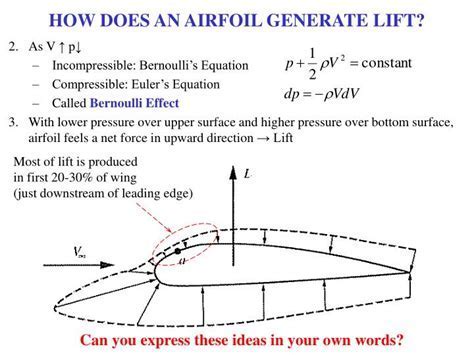
The question of why air flows faster over the top of an airfoil touches on some of the fundamental principles of fluid dynamics and aerodynamics. It is the result of the wing’s geometry, which influences the flow of air, causing a faster-moving stream over the top surface. This increased speed leads to lower pressure, which, in turn, generates lift. The wing’s angle of attack and the separation point further refine this effect, optimizing lift while minimizing drag. Ultimately, understanding these principles provides valuable insight into how aircraft generate the lift necessary for flight and why the airfoil’s design is so crucial in aviation.