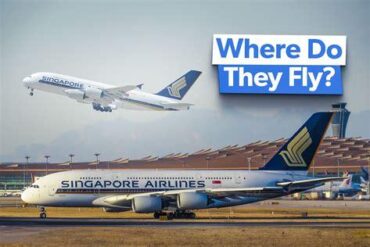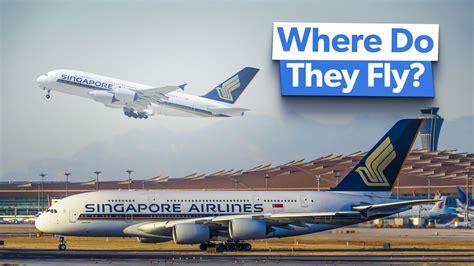
Nearly two decades after becoming the launch customer of the Airbus A380, Singapore Airlines continues to operate the world’s largest passenger aircraft on some of its longest and most strategically important routes. In an era where airlines increasingly prioritize fuel-efficient twin-engine aircraft such as the Airbus A350 and Boeing 787, the continued presence of the four-engine superjumbo might appear surprising. Yet the reasoning behind this decision is far from nostalgic.
For Singapore Airlines, the Airbus A380 remains a powerful commercial tool, not simply a symbolic flagship. The aircraft enables the carrier to combine massive passenger capacity with a premium-heavy cabin configuration, something that smaller widebody jets cannot replicate as effectively. When deployed on the right routes—particularly those with high demand and limited airport slots—the aircraft can generate exceptional revenue per flight while reinforcing the airline’s luxury brand image.
The airline’s strategy reflects a broader truth about aviation economics. While many airlines retired their A380 fleets after the pandemic and rising fuel prices reshaped fleet planning, Singapore Airlines recognized that certain routes still benefit from the aircraft’s unique blend of scale, prestige, and premium seating density. As a result, the superjumbo continues to appear regularly on routes linking Singapore with London, Sydney, Dubai, and Frankfurt.
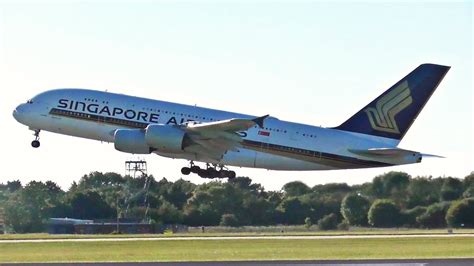
Rather than operating the aircraft across its entire long-haul network, the airline deploys it selectively on dense intercontinental corridors where passenger demand remains consistently high. On these routes, the A380 offers a combination of capacity, passenger experience, and brand differentiation that continues to make strong economic sense even in a changing aviation market.
The Airbus A380: The Largest Passenger Aircraft Ever Built
The Airbus A380 occupies a unique position in aviation history as the largest commercial airliner ever developed. Designed during a time when aviation planners predicted increasing congestion at global hubs, Airbus envisioned the aircraft as a high-capacity solution capable of transporting hundreds of passengers between major international gateways.
Unlike conventional widebody jets, the A380 features a full-length double-deck configuration, effectively doubling the usable cabin space compared to many other aircraft. This architecture allows airlines to create a wide range of cabin layouts, from high-density configurations designed for maximum passenger volume to luxury-focused interiors emphasizing comfort and privacy.
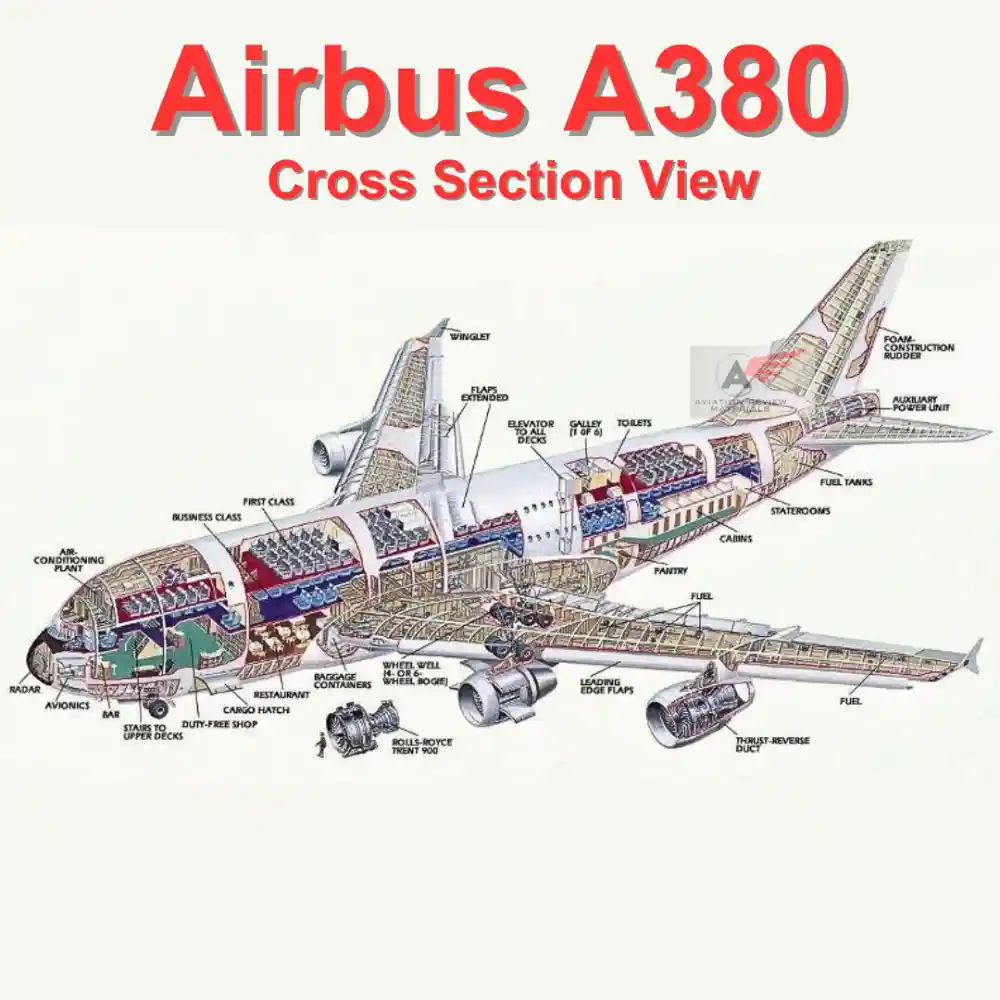
The aircraft’s massive size gives it the ability to carry over 500 passengers in typical airline configurations, though some operators have configured it for even higher capacities. More importantly, the spacious fuselage allows airlines to design premium cabins that go far beyond traditional first-class seating.
Over the years, airlines introduced features that became synonymous with the A380 experience:
- Private suites and enclosed cabins
- Onboard lounges and bars
- Spacious business-class seating
- Luxury showers and wellness facilities on select airlines
These features transformed the aircraft into more than just a means of transportation. The A380 became a flying flagship, showcasing each airline’s most ambitious cabin concepts.
Despite its impressive capabilities, the aircraft’s economics are highly route-dependent. Operating a jet of this size requires consistently high passenger loads. When demand weakens, the costs of operating such a large aircraft quickly outweigh the benefits.
As the aviation industry shifted toward smaller, long-range twin-engine aircraft, many airlines phased out the A380 entirely. However, where demand remains extremely strong and airport slots are limited, the aircraft still offers unmatched efficiency on a per-seat basis.
Singapore Airlines’ Unique Fleet Strategy
Singapore Airlines operates one of the most sophisticated long-haul fleets in the world, built around the principle that different routes require different aircraft capabilities. Instead of relying on a single flagship model, the airline strategically deploys multiple aircraft types to maximize efficiency and profitability.
The backbone of the airline’s long-haul operations includes aircraft such as:
- Airbus A350-900
- Boeing 777-300ER
- Airbus A380
Each aircraft serves a distinct purpose within the airline’s global network.
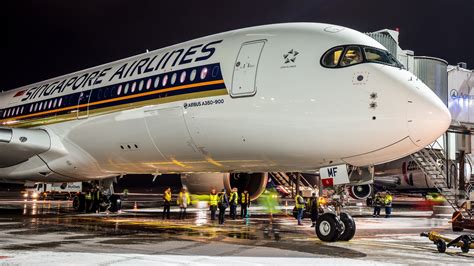
The Airbus A350 offers exceptional range and fuel efficiency, making it ideal for ultra-long-haul routes such as Singapore to New York or Los Angeles. Meanwhile, the Boeing 777 provides flexibility and high capacity on major intercontinental routes.
The A380 sits at the very top of this hierarchy, occupying a specialized role reserved for markets where both passenger demand and premium travel demand are exceptionally strong.
This deliberate fleet structure allows Singapore Airlines to maintain a carefully balanced network. Smaller aircraft handle routes with moderate demand, while the A380 is reserved for routes capable of filling its enormous cabin.
The result is a fleet strategy where the superjumbo functions as a precision instrument rather than a general-purpose aircraft.
The Power of Singapore Suites: A380’s Exclusive Luxury Product
Perhaps the most compelling reason Singapore Airlines continues to operate the A380 lies in its exclusive premium product: Singapore Suites.
Unlike traditional first class, Singapore Suites offers passengers an experience closer to a private hotel room in the sky. Importantly, this flagship cabin exists only on the Airbus A380, making the aircraft indispensable to the airline’s premium strategy.
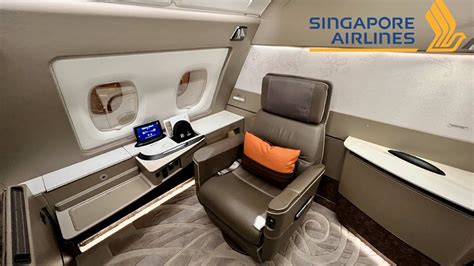
Each aircraft contains just six Suites, ensuring an extremely exclusive atmosphere. These cabins are designed with privacy, space, and comfort as the primary focus.
Key features include:
- Sliding privacy doors
- Separate reclining armchairs and full-size beds
- Large entertainment screens
- Premium dining experiences curated by top chefs
In the center section of the aircraft, selected Suites can be combined to form a double suite with a shared bed, a configuration designed specifically for couples traveling together.
The exclusivity of this product creates enormous marketing value. Travelers seeking the most luxurious commercial aviation experience often choose routes specifically because they offer the A380 Suites cabin.
This makes the aircraft far more than a transportation platform. It becomes a brand ambassador, showcasing the airline’s reputation for innovation and luxury.
Why Slot-Constrained Airports Favor the A380
Another key reason Singapore Airlines continues to operate the A380 lies in the reality of global airport congestion.
Some of the world’s busiest international airports have limited landing and takeoff slots, meaning airlines cannot easily add additional flights even if demand increases.
In these situations, the only way to carry more passengers is to operate larger aircraft.
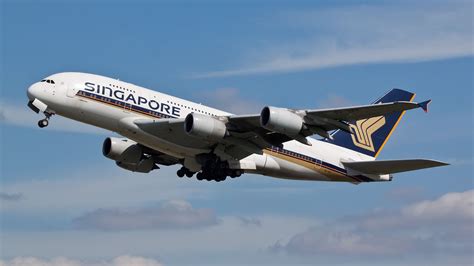
Airports such as London Heathrow, Dubai International, and Sydney Kingsford Smith Airport are among the most slot-constrained airports in the world. Airlines often wait years to secure additional slots, making flight frequency extremely difficult to expand.
For routes linking Singapore with these destinations, the A380 provides a simple solution: increase passenger capacity without adding more flights.
Instead of operating two smaller aircraft, the airline can carry the same—or greater—number of passengers with a single A380 departure.
This strategy delivers multiple benefits:
- Higher passenger capacity per slot
- Stronger premium cabin availability
- Reduced congestion at busy airports
- Greater operational efficiency on peak routes
For slot-limited hubs, the A380 effectively becomes the most efficient aircraft available.
Singapore Airlines’ Expanding A380 Network in 2026
Despite industry trends suggesting the decline of the superjumbo, Singapore Airlines has expanded its A380 schedule for 2026, demonstrating continued confidence in the aircraft’s role.
The airline plans to operate approximately 126 weekly A380 flights during Summer 2026, an increase from around 98 weekly flights in Summer 2025.
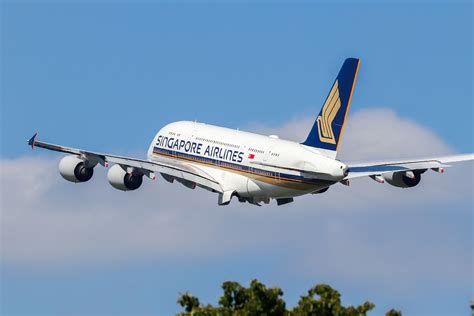
These flights concentrate on several high-demand routes that consistently support the aircraft’s large capacity.
Major destinations include:
- London Heathrow
- Sydney
- Frankfurt
- Dubai
Each of these routes shares several characteristics that make them ideal for A380 deployment.
First, they represent major global travel corridors linking financial centers and major tourism destinations. Passenger demand remains consistently strong throughout the year.
Second, these markets attract a high proportion of premium travelers, including corporate executives and luxury leisure passengers.
Third, the airports involved are heavily constrained in terms of available flight slots, making larger aircraft the most effective way to expand capacity.
Dubai, in particular, highlights the aircraft’s renewed relevance. Singapore Airlines initially operated the A380 there on a seasonal basis but has now extended the service into the Northern Winter 2026-2027 season, indicating strong demand.
Passenger Experience: Why Travelers Still Love the A380
Beyond economics and network strategy, passenger experience plays a major role in the A380’s continued success.
Travelers consistently report that the aircraft offers a smoother and quieter ride compared to many other long-haul aircraft. The immense wingspan and four-engine configuration provide exceptional stability during flight.
Inside the cabin, the A380’s wider fuselage allows for larger aisles, wider seats, and more spacious cabins.
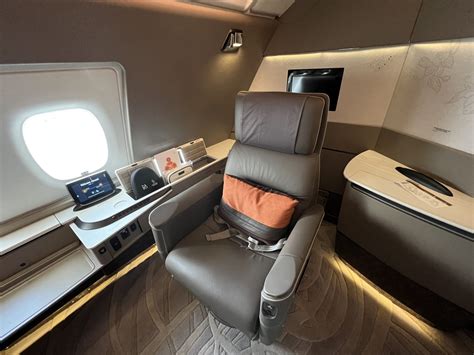
Passengers often notice several advantages immediately after boarding:
- Reduced cabin noise levels
- Larger overhead storage bins
- Spacious premium seating layouts
- More room for onboard lounges and social areas
These features create an atmosphere that feels closer to a premium hotel environment than a traditional aircraft cabin.
For long-haul routes exceeding ten hours, this enhanced comfort can significantly influence passenger satisfaction and brand loyalty.
Singapore Airlines leverages this advantage by ensuring the A380 showcases its most refined cabin products, including the airline’s 2017 long-haul cabin refresh.
The Future of the Singapore Airlines A380 Fleet
While the Airbus A380 remains commercially valuable today, its long-term future will inevitably evolve.
Singapore Airlines plans to introduce the Boeing 777-9, the next generation of Boeing’s flagship widebody aircraft, with deliveries expected to begin around 2027.
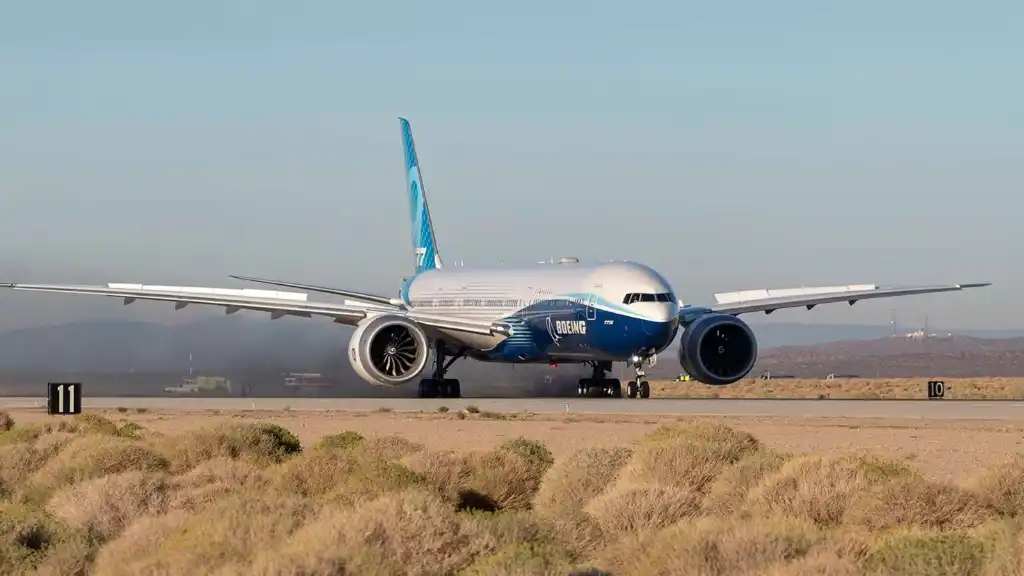
These aircraft will eventually replace some of the airline’s aging A380 fleet. However, even the 777-9 cannot fully replicate the A380’s unique combination of cabin space and passenger capacity.
As a result, industry analysts expect the A380 to remain part of Singapore Airlines’ fleet through the late 2020s, particularly on routes where its advantages remain strongest.
The aircraft’s gradual retirement will likely follow a carefully phased strategy, ensuring that the airline maintains both its premium offerings and network capacity.
Until then, the superjumbo continues to deliver strong commercial performance on the routes where it matters most.
Why the A380 Still Matters for Singapore Airlines
The continued operation of the Airbus A380 by Singapore Airlines demonstrates that aviation strategy is rarely defined by industry trends alone. Instead, success depends on deploying the right aircraft on the right routes.
For Singapore Airlines, the A380 offers several advantages that remain difficult to replicate:
- Exclusive flagship products like Singapore Suites
- Massive capacity on slot-constrained routes
- Strong revenue potential from premium travelers
- A distinctive brand identity in global aviation
While many airlines retired their A380 fleets due to operational challenges, Singapore Airlines has found a way to integrate the aircraft into a carefully designed network strategy.
The result is an aircraft that continues to generate value long after many predicted its decline.
In a world increasingly dominated by efficiency and flexibility, the Airbus A380 still proves that size, luxury, and prestige can remain powerful assets when deployed with precision.