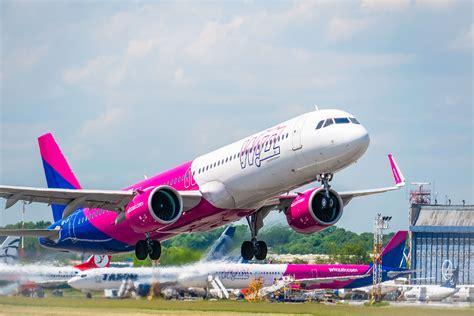
Airlines across the globe are under intense pressure to operate more efficiently while meeting an increasingly complex mix of route demands. Fleet planners want aircraft that burn less fuel, fly farther, carry more passengers, and slip seamlessly into existing operations without requiring massive infrastructure rewrites. The Airbus A321neo has emerged as the aircraft that manages to balance all these needs, creating an irresistible proposition for carriers seeking both immediate and long-term value. Over the past decade, the A321neo has transformed from an incremental update to a market-shaping force, rewriting what airlines expect from a narrowbody jet.
The surge in demand isn’t accidental. The A321neo family—especially its LR and XLR variants—has quietly redefined what single-aisle aircraft can achieve. From transatlantic hops to selective long-thin routes once accessible only to aging Boeing 757 fleets, the A321neo is proving that efficiency can coexist with ambition. What makes this aircraft such a precise fit for today’s global airline landscape is a mix of advanced technology, flexible design, and an uncanny alignment with modern network economics.
A large portion of today’s airline fleets is aging rapidly. Many widebodies and early-generation narrowbodies approach retirement just as passenger demand spreads across more diverse origin-and-destination markets. Airlines want jets that open new point-to-point connections without the risk of overshooting demand. The A321neo fits this shift perfectly—lean where it matters, capable where it counts, and profitable on routes that would sink larger aircraft.
A Modern Evolution: How the A321neo Grew Into Its Role
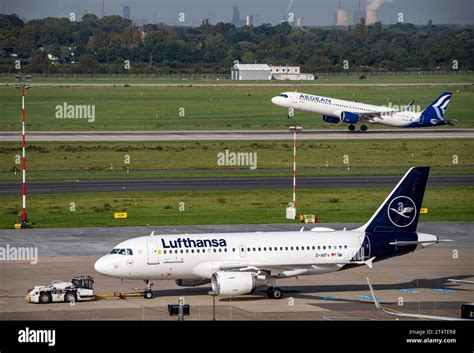
The A321neo traces its roots to the original A321, first introduced with Lufthansa in 1994. That aircraft served the classic narrowbody profile: regional and medium-haul trips with modest operating costs and strong commonality across the A320 family. By contrast, the A321neo represents a strategic leap. Launched in 2010 under Airbus’s “new engine option” upgrade program, it retained the proven A321 airframe but transformed it through advanced propulsion, aerodynamic refinements, and cabin updates.
Airbus offered two engine choices—CFM International LEAP-1A or Pratt & Whitney PW1100G-JM—each delivering double-digit improvements in fuel burn. Combined with sharklet winglets and aerodynamic tuning, the A321neo immediately delivered around a 20% increase in fuel efficiency per seat. Airlines took notice quickly, especially as fuel prices fluctuated and network planners pushed for more flexibility.
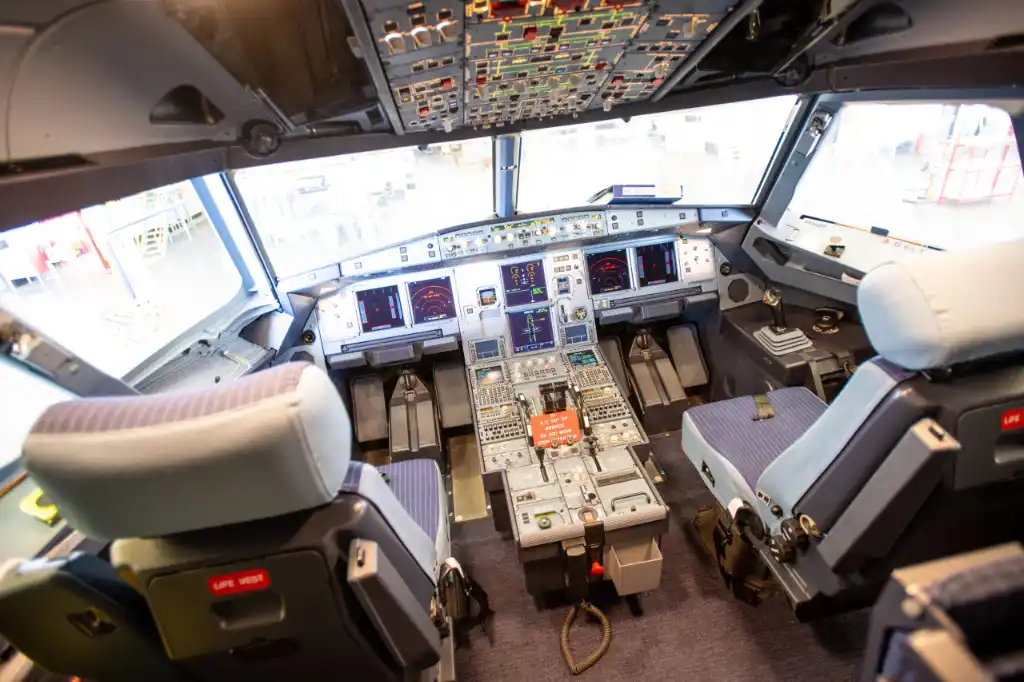
The aircraft’s longer fuselage gives it the greatest length of any Airbus narrowbody, supporting higher capacity and innovative cabin layouts. Virgin America received the first A321neo in May 2017, and the rest of the industry followed in rapid succession. By late 2025, orders numbered in the hundreds annually. Airbus’ strategy of upgrading proven airframes with cutting-edge technology—successfully deployed earlier with the A330neo—paid off again. Airlines got dramatic performance gains without the wait or complexity associated with clean-sheet designs.
This strategy placed Airbus in stark contrast to Boeing’s prolonged challenges with the 737 MAX program. While Boeing struggled to modernize an older airframe, Airbus accelerated delivery and reliability advantages, allowing the A321neo to reach airline fleets while competitors remained tied up in certification and development delays.
Stretching the Envelope: A321LR and A321XLR Take Narrowbodies Long-Haul
The A321neo itself reshaped medium-haul performance, but Airbus saw even greater potential. That ambition crystallized into the A321LR and A321XLR, variants designed to push narrowbody operations deep into long-haul territory. The A321LR, debuting in 2015, expanded maximum takeoff weight to 97 tonnes and increased range to 4,000 nautical miles. Its secret lies in the optional additional center fuel tanks—up to three—a modular solution airlines could adapt to their mission profiles.
The A321XLR, unveiled at the 2019 Paris Air Show, went further still. With a 4,700-nautical-mile range, reinforced landing gear, and a uniquely designed permanent rear center fuel tank, it expanded what narrowbodies could accomplish. While some carriers initially doubted its relevance, others immediately recognized its transformative potential. Iberia’s historic long-haul A321XLR flight from Madrid to Boston in November 2024 became a global symbol of what this aircraft family could unlock for network planners.
With the LR and XLR, Airbus didn’t merely extend range—it handed airlines a way to rethink long-thin international routes, pairing lower operating costs with sufficient comfort and capacity for transatlantic and transcontinental journeys.
Inside the Performance Advantage: Why the A321neo Saves Real Money
The A321neo family’s charm isn’t just theoretical. Its technology has translated into measurable, repeatable cost benefits for operators. The headline figure—20–30% better fuel efficiency than older A321s—alone shifts economics dramatically. On a test flight from Los Angeles to Honolulu, American Airlines recorded a burn of 6,000 fewer pounds of fuel compared to the previous generation. Over thousands of flights per year, that margin cascades into millions in savings.
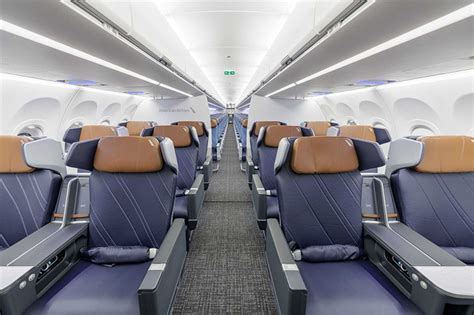
Beyond engines and aerodynamics, the A321neo benefits from improved cabin pressurization systems that maintain an equivalent altitude of around 6,000 feet. This is notably better than the 8,000-foot standard on many older widebodies, and it directly improves passenger comfort, especially on long-haul routes. The effect on fatigue and perceived comfort gives airlines a genuine marketing angle without any additional fuel burn.
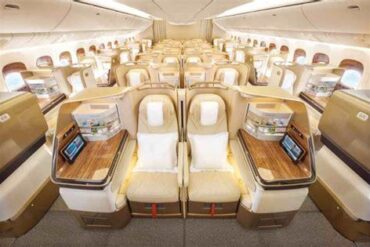
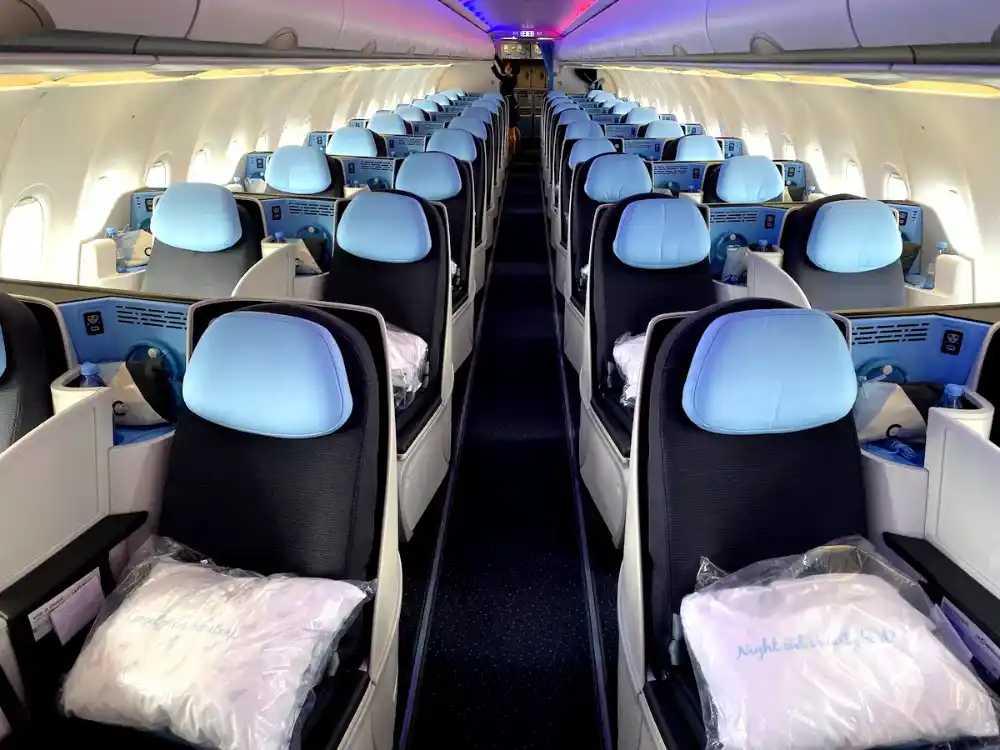
Cabin flexibility adds to the financial efficiency. Maximum capacity on the XLR reaches 244 passengers, allowing high-density layouts for leisure carriers or premium-heavy concepts like La Compagnie’s all-business configuration. This adaptability lets airlines tailor aircraft to their brand positioning while still exploiting the A321neo’s operational advantages.
Perfect Timing: The A321neo and Today’s Airline Marketplace
Few aircraft have ever matched the A321neo in terms of strategic timing. The aviation industry is still reshaping itself around more dynamic demand patterns, persistent pilot shortages, and the slow but steady shift toward point-to-point international flying. The A321neo family arrived just as airlines embraced more surgical network planning—matching capacity more precisely to origin-destination flows.
In 2025, A321neos represented 63% of all Airbus aircraft orders and nearly half of all deliveries. These staggering numbers show how decisively airlines have aligned themselves with the aircraft’s strengths. The LR and XLR variants in particular have uprooted the widebody monopoly on certain long-haul routes. Flights once reserved for twin-aisles—like Paris to Philadelphia, or Dallas to Oslo—are now profitable with a fraction of the risk.
The A321neo’s ability to operate eight- to eleven-hour flights at low cost gives airlines room to experiment with new city pairs without committing large aircraft. A mid-sized U.S. city can suddenly support seasonal or even year-round service to Europe thanks to the A321neo’s slimmer capacity and efficiency. The aircraft empowers creativity in route planning rather than punishing it.
An Aircraft Shaping Global Route Patterns
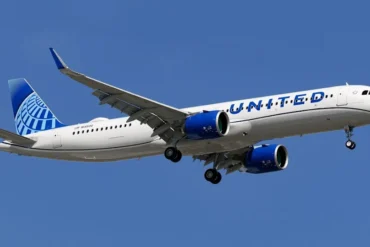
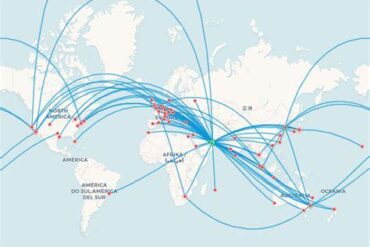
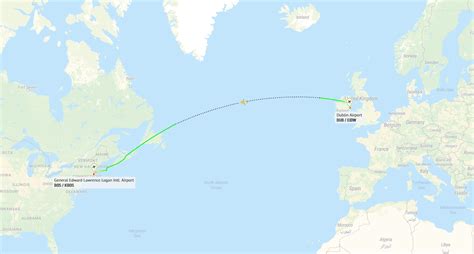
One of the most compelling demonstrations of the A321neo family’s impact is its presence on long, narrowbody transatlantic routes. Carriers like SAS, Iberia, Air Transat, La Compagnie, United, and Aer Lingus now operate some of the world’s longest single-aisle services thanks to the LR and XLR.
Routes such as Washington–Copenhagen, Toronto–Berlin, and San Juan–Madrid illustrate how the aircraft unlocks city pairs previously too thin for widebodies. Instead of forcing airlines to rely on multi-stop journeys or seasonal surges, the A321neo lets them sustain year-round service with confidence.
This shift decentralizes long-haul flying. Traditional hubs lose some exclusivity, and smaller cities gain access to global connections without requiring massive airport overhauls. It’s the most meaningful expansion of single-aisle capability since the 757 first ventured across the Atlantic.
The Changing of the Guard: A321neo vs. the Boeing 757
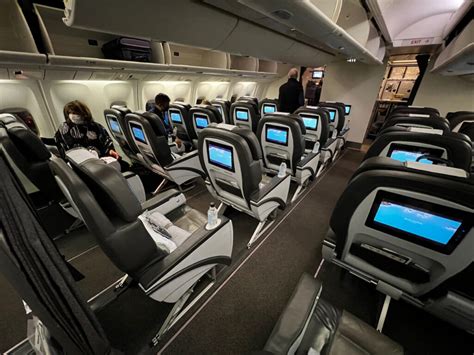
No comparison better captures the A321neo’s significance than its inevitable showdown with the Boeing 757. For decades, the 757 reigned as the default aircraft for long-thin transatlantic and high-performance U.S. domestic routes. But aging airframes, poor fuel efficiency, and Boeing’s absence of a replacement have created an opening the A321neo filled almost perfectly.
The A321neo and its LR/XLR derivatives generally offer better fuel efficiency, lower trip costs, and greater range flexibility than the 757, even if they can’t replicate its robust climb performance. For airlines like United and Delta—both long-time 757 strongholds—the writing is on the wall. The future narrowbody workhorse isn’t coming from Boeing this time.
Where Boeing hesitated to develop a mid-market replacement, Airbus delivered one incrementally and decisively. The A321neo’s combination of modern avionics, efficient engines, and expanded range has effectively taken over the segment by default.
Why Airlines Keep Ordering More
The momentum behind the A321neo has only accelerated. flydubai’s recent order for 150 A321neos, with options for 100 more, underscores a clear message: airlines view this aircraft as a cornerstone of future networks. They aren’t just filling immediate needs—they’re locking in long-term planning security.
The harsh truth for competitors is that the A321neo isn’t merely one successful aircraft; it’s a blueprint for a new generation of narrowbody strategy. Airbus has redefined what single-aisle jets can cover while keeping operating costs comfortably low. Until an equally efficient, equally flexible alternative emerges, airlines have little reason to look anywhere else.
A321neo: A Global Winner With No Signs of Slowing Down
The Airbus A321neo has solidified its place as the most influential narrowbody aircraft of its generation. Its unmatched blend of long-range performance, superior fuel efficiency, and seamless fleet integration has propelled it into a dominant role across continents. Airlines are using it to replace aging 757 fleets, expand transatlantic networks, launch new point-to-point services, and reshape route maps once governed by widebodies.
As long as Boeing remains without a committed mid-market competitor and airlines continue to demand versatile, fuel-efficient aircraft, the A321neo’s ascent will continue. It represents not only a technological achievement but a strategic triumph—an aircraft designed perfectly for the era it was born into.
The A321neo’s success isn’t temporary. It is shaping the future of commercial aviation, one efficient, extended-range, narrowbody flight at a time.