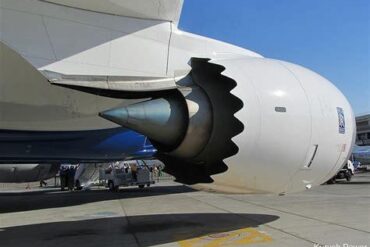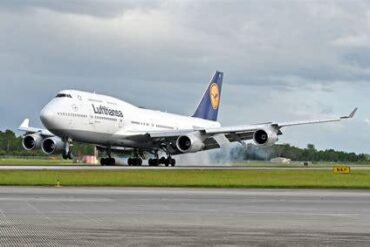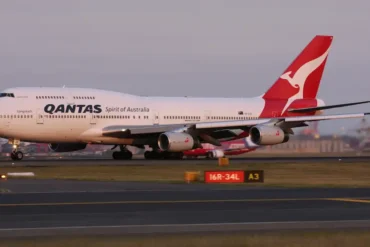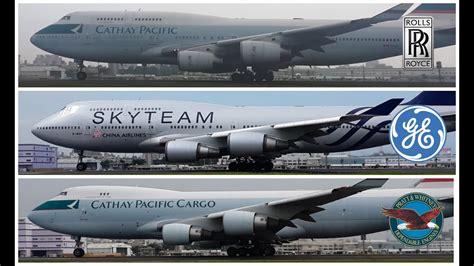
The Boeing 747-400 stands as a monument of late 20th-century aviation engineering—a widebody aircraft with unmatched range, comfort, and operational flexibility for its era. Among its most distinctive features was Boeing’s strategic decision to offer the aircraft with three distinct engine types: the General Electric CF6-80C2, Pratt & Whitney PW4000-94, and Rolls-Royce RB211-524. This move wasn’t born out of redundancy but instead reflected a deliberate response to customer diversity, fierce market competition, and the operational complexities of global airline fleets.
Airline Fleet Commonality and Strategic Integration
Airlines, especially those managing vast international fleets, prioritize engine commonality to streamline operations, reduce training costs, and lower inventory burdens. When airlines choose aircraft with engines already present in their fleets, they avoid retraining pilots, mechanics, and support staff—an undertaking that can otherwise cost millions annually.
Beyond human resources, technical logistics benefit profoundly from engine standardization. Spare parts can be shared across aircraft, specialized tooling can be reused, and simulation training programs become more consistent. By certifying the 747-400 with multiple engines, Boeing empowered airlines to remain loyal to their preferred engine supplier, seamlessly integrating the aircraft into existing operational ecosystems.

A Competitive Sales Strategy Tailored for Global Markets
In the competitive airliner marketplace of the 1980s and 1990s, engine flexibility was a critical selling point. Airlines didn’t just evaluate aircraft on aerodynamics or cabin layout—they scrutinized long-term operating economics, maintenance obligations, and existing manufacturer relationships. Boeing’s decision to offer three engine choices made the 747-400 more universally appealing, opening doors to carriers worldwide regardless of which engine manufacturer they favored.
For some operators, engine choice alone determined the sale. Strong pre-existing support contracts or long-term fleet planning commitments meant that locking into a different engine supplier could jeopardize cost projections. By embracing multiple engine partners, Boeing circumvented these obstacles, ensuring the 747-400 wouldn’t be excluded based on propulsion preferences.
The Technical Philosophies Behind the Engines
Each engine option on the 747-400 presented distinct engineering philosophies:
- General Electric CF6-80C2 and Pratt & Whitney PW4000-94 were both two-spool turbofans, favoring simplicity and reliability. With fewer rotating assemblies—just high and low-pressure spools—these engines reduced mechanical complexity, eased maintenance, and provided consistent performance across long-haul routes.
- In contrast, the Rolls-Royce RB211-524 introduced a three-spool configuration, where low, intermediate, and high-pressure spools rotated independently. Though more complex, this allowed for more precise airflow management, enabling smoother transitions across various flight stages, superior fuel efficiency on long hauls, and optimized performance at multiple altitudes.
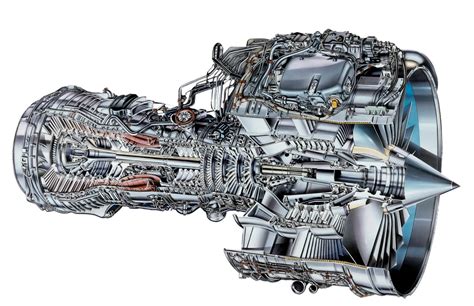
While some airlines favored the two-spool simplicity, others were drawn to Rolls-Royce’s engineering precision and the operational nuances provided by the three-spool system. These preferences often stemmed from decades of experience with the manufacturers, solidifying the strategic rationale behind Boeing’s multi-engine certification.
Performance, Fuel Efficiency, and Maintenance Realities
While all three engines met Boeing’s performance benchmarks, subtle differences emerged depending on route profiles and operational demands. Factors like bypass ratio, thrust output, and weight all influenced fuel burn and long-term efficiency.
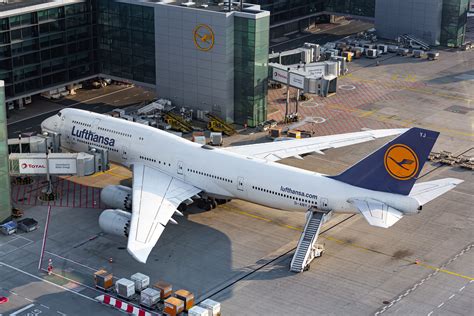
The General Electric CF6-80C2 featured a bypass ratio of 5.0–5.3:1 and generated up to 63,500 lbf of thrust. Its reliability and global service network made it a favorite for carriers like Lufthansa and Korean Air. The Pratt & Whitney PW4000-94 had a similar thrust profile but slightly lower bypass ratio, making it adaptable across a range of mid- to long-haul routes.
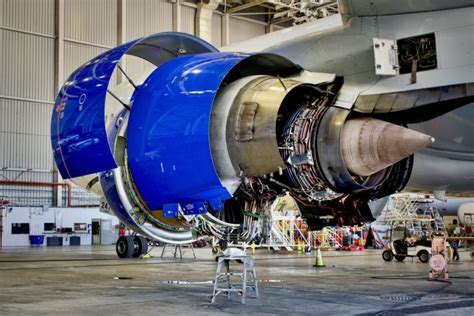
The Rolls-Royce RB211-524, while slightly less efficient on short hauls due to its weight and lower bypass ratio (4.1–4.3:1), excelled in fuel economy on ultra-long-haul flights, leveraging its optimized airflow mechanics. Its complex internals, however, translated into higher maintenance demands, balanced by extended time-on-wing intervals and strong aftermarket support.
Maintenance cycles also varied significantly:
- The PW4000, for instance, offered longer inspection intervals for fan and turbine modules.
- The CF6 had a slightly lighter frame, aiding fuel economy in certain payload scenarios.
- Rolls-Royce engines, while heavier, featured impressive time-on-wing metrics, reducing frequency of removals.
These differences allowed airlines to tailor engine selection based on geographic networks, flight cycles, and maintenance capabilities.
Economic and Industrial Context of the 1980s–1990s
During the 1980s, multi-engine options were the norm, particularly for widebody aircraft. With global airlines operating across continents, climates, and infrastructure realities, flexibility in propulsion was a commercial imperative. The cost of engine certification was far more manageable than in today’s regulatory environment, allowing manufacturers to accommodate multiple engine types without undue financial risk.
This period also coincided with intense rivalry among General Electric, Pratt & Whitney, and Rolls-Royce. Each vied for dominance on flagship platforms, driving innovation and aggressive customer support. Airlines reaped the benefits of this competition—engine programs often came bundled with maintenance deals, training packages, and performance guarantees.
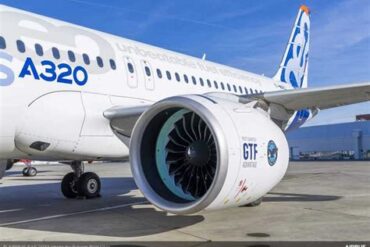
As the industry evolved, so did this model. With rising certification costs, stricter emissions regulations, and more complex engine architecture (including high-pressure turbine technologies), manufacturers and OEMs began to converge on single-engine options. Later aircraft like the Boeing 787 and Airbus A350 favored exclusive engine partnerships, driven by economic and technical pragmatism. But the 747-400 remains a testament to the multi-supplier era, reflecting both market forces and engineering ambition.
Risk Mitigation and Support Network Diversity
From an airline perspective, relying on a single engine type can represent a single point of failure. If a technical directive or design flaw emerges affecting one engine family, an entire fleet could be grounded. Boeing’s decision to offer three engines inherently diversified this risk across the global 747-400 fleet.
Operators could also access different MRO networks and support ecosystems. Rolls-Royce, General Electric, and Pratt & Whitney each operated sprawling global maintenance infrastructures. This allowed airlines to negotiate regionally appropriate support contracts, leverage local overhaul capabilities, and ensure spare part availability—even at remote outstations.
Furthermore, engine suppliers varied in aftermarket strategies and cost structures. Some offered comprehensive long-term service agreements, while others focused on upfront discounts or performance-based power-by-the-hour deals. Airlines could align engine choice with their financial models and risk tolerance, customizing their operational profile.

A Legacy of Strategic Versatility
The Boeing 747-400’s decision to support three engine types was far more than a technological flourish—it was a strategic masterstroke. It encapsulated a period in aviation where manufacturers prioritized customer adaptability over standardization and when engineering complexity was matched by economic flexibility.
By accommodating different airline needs—be it maintenance alignment, fuel strategy, or brand loyalty—Boeing significantly broadened the appeal of its aircraft. Today, the 747-400’s legacy lives on not just in museums or cargo fleets, but in the memory of an aviation industry that once thrived on choice, customization, and confidence in engineering diversity.