In an age where advanced electronics dominate modern warfare, the inclusion of precious metals like silver in weapon systems is far from coincidental. Among the most iconic of these platforms is the Tomahawk Land Attack Missile (TLAM) — a precision-guided cruise missile developed by Raytheon and used extensively by the U.S. Navy and Royal Navy. These weapons, often valued at nearly $2 million apiece, are not just marvels of flight and explosive power — they’re also intricate showcases of rare and valuable materials, chief among them being silver.
Silver isn’t merely decorative or traditional; it serves critical functions within the missile’s electronics, guidance systems, and energy storage components. But why exactly is silver used, and how much of it is actually embedded within a single Tomahawk? This article dives into the core of missile metallurgy and uncovers the reasons behind this surprising reliance on a metal more often associated with coins and jewelry.

The Role of Silver in Modern Missile Electronics
One of the primary reasons silver is so crucial to the Tomahawk missile lies in its unmatched physical properties. It boasts the highest thermal and electrical conductivity of any metal, outstripping even copper and gold. This makes it indispensable in electronic systems where signal fidelity, speed, and heat management are non-negotiable.
Inside the Tomahawk, silver is found in various forms:
- Electrical Contacts and Connectors: Ensuring rapid signal transmission and minimal resistance across the missile’s complex electronic pathways.
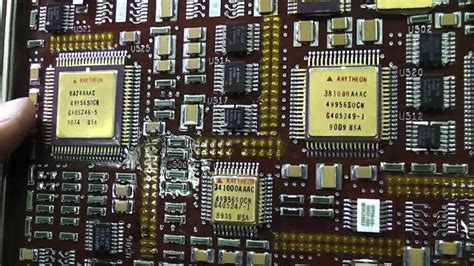
- Circuit Boards: Where silver forms key tracks and solder joints, vital for structural integrity and electrical performance.
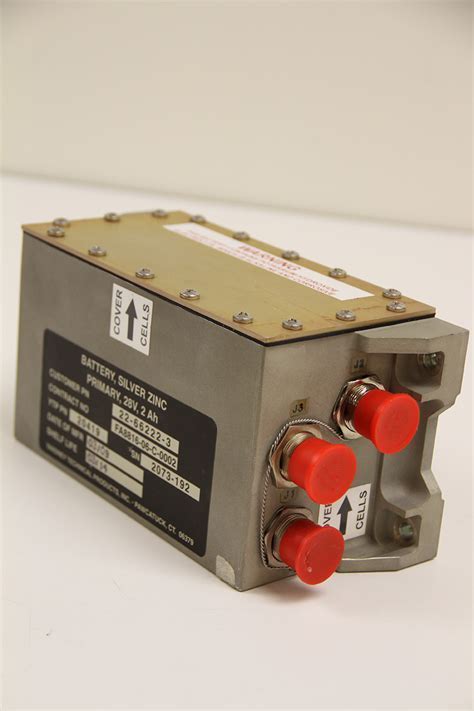
- High-Energy Batteries: Specifically, the silver-zinc battery cells that power mission-critical functions.
These components play into the missile’s advanced navigational suite — a robust array that includes the Inertial Guidance System (IGS), GPS, TERCOM (Terrain Contour Matching), and DSMAC (Digital Scene Matching Area Correlator).
Navigational Precision Powered by Silver
The Tomahawk missile’s accuracy, which allows it to strike targets over 1,000 miles away, depends heavily on its ability to interpret terrain, track targets, and adapt mid-flight. Here’s how silver enhances that:
- In the DSMAC system, cameras and image processors compare real-time visuals with preloaded maps. The processing speed and accuracy required here demand high-conductivity components — a role silver fulfills better than any alternative.
- The silver-zinc batteries fuel not just the guidance systems, but also actuator controls, flight termination, and telemetry systems, providing dense power in a compact, reliable package.
- The missile’s data link systems, especially in Block IV and V variants, benefit from silver-based connections that ensure stable, high-bandwidth communication.
How Much Silver Is Inside a Tomahawk Missile?
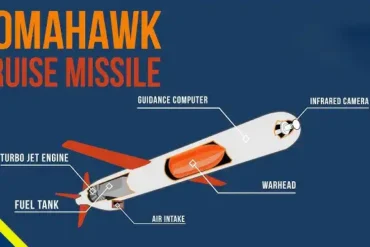
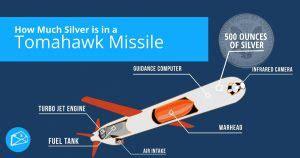
Here lies the million-dollar — or rather, multi-thousand-dollar — question. How much silver does each missile really contain? Official data from Raytheon or the U.S. Department of Defense remains classified, likely to prevent adversaries from reverse-engineering or exploiting the material composition. However, estimates suggest a missile contains up to 480 to 500 ounces of silver.
That translates to roughly 30 pounds, or 13.6 kilograms, of the metal. At current market prices, this represents around $17,640 worth of silver per missile. In the grand scheme of a $2 million weapon, this might appear modest. Yet from a materials engineering standpoint, it is a substantial amount — especially when multiplied across thousands of deployed and stockpiled missiles.
Silver doesn’t just sit idle inside the missile; it’s distributed across several systems:
- Solder Joints and Conductive Glue: Used to secure electrical components and withstand the intense vibrations and g-forces of launch and flight.
- Wire Coatings and Busbars: Providing corrosion-resistant and thermally stable power routing.
- Battery Electrodes: Where silver serves as a reactive material, essential for the chemistry of high-discharge cells.
Why Silver Over Alternatives?
Silver’s competitors — copper, gold, and aluminum — each have their own advantages, but none check as many boxes as silver does simultaneously. Here’s why silver remains unmatched:
- Thermal Conductivity: At 429 W/m·K, silver outperforms all other metals. This is vital for preventing overheating of onboard electronics.
- Electrical Conductivity: With a rating of 63 x 10^6 S/m, silver ensures low resistance, which enhances system responsiveness.
- Corrosion Resistance: Essential for a weapon system that must function after years in storage and in saltwater environments.
- Bonding Strength in Solder: Silver-based solders provide superior mechanical stability, especially in high-vibration conditions like missile launches.
Economic and Strategic Implications
Deploying silver in missiles is not just a matter of performance — it’s also about strategic reliability. The U.S. defense sector consumes substantial quantities of silver annually, not just for Tomahawks but across various missile systems, satellites, radars, and communication gear. The implications of this are multifaceted:
- Strategic Stockpiling: The U.S. maintains national reserves of critical materials like silver to avoid supply chain disruptions.
- Global Market Impact: Any increase in defense production or global conflict can spur demand and drive up prices for silver.
- Sustainability Concerns: Unlike consumer electronics, missiles are designed to self-destruct, meaning the silver is never recovered, resulting in permanent material loss.
Silver-Zinc Batteries: The Hidden Powerhouse
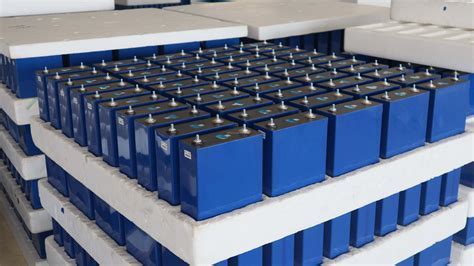
Of all the silver-laden components, silver-zinc batteries stand out for their pivotal role. These are not your standard lithium cells — they are designed for high output, reliability, and long shelf life. Commonly used in aerospace and military systems, these batteries benefit from silver in the following ways:
- Higher Voltage Output: Allowing efficient operation of actuator motors and control surfaces.
- Thermal Stability: Crucial in the face of extreme temperature variations during flight.
- Low Self-Discharge Rate: Essential for weapons that may be stored for decades before use.
The batteries themselves are custom-built for each missile type, and because they’re non-rechargeable and sacrificial, every launch results in the complete destruction of precious metal content.
Classified Specs, Public Curiosity
Despite intense public and academic curiosity, many details surrounding the exact integration and configuration of silver within Tomahawk missiles remain shrouded in secrecy. This is not surprising — most military-grade electronics are classified, not only to protect national security but also to prevent reverse engineering by hostile actors.
Still, from the technical and economic clues available, it is clear that silver plays a non-substitutable role in the mission success of Tomahawk missiles. The material is literally woven into every major subsystem, from power storage to target recognition, flight control, and destruction sequencing.
A Precious Metal in Every Explosion
Every time a Tomahawk is launched — whether into a desert bunker, a high-value radar station, or a moving naval target — it’s not just explosive warheads and jet propulsion going up in flames. It’s also a small fortune in silver, vaporized in the name of precision warfare. With hundreds of ounces destroyed per launch, the Tomahawk represents both technological sophistication and material sacrifice.
In the broader picture, this usage reflects a growing trend where precious metals are no longer confined to luxury or civilian sectors, but are now fully embedded into the front lines of national defense. Whether the next generation of cruise missiles will continue to rely on silver or shift toward more sustainable alternatives remains to be seen. But for now, silver remains one of the most underappreciated heroes in modern warfare — embedded deep within one of the world’s most formidable missiles.