In a striking policy reversal, U.S. President Donald Trump has reportedly reopened the doors to equipping Ukraine with advanced missile systems, potentially including Tomahawk cruise missiles and even ‘bunker buster’ munitions. Following a brief suspension of military aid over concerns of depleted stockpiles, the Trump administration is now crafting an expansive arms package that could transform the strategic balance in the ongoing war between Ukraine and Russia.
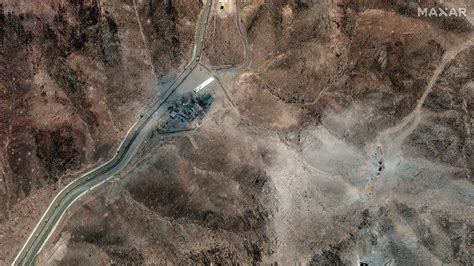
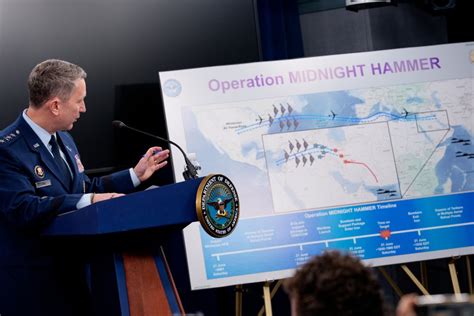
This move follows the recent deployment of Tomahawk missiles in ‘Operation Midnight Hammer’, which saw devastating precision strikes on Iranian nuclear facilities. As attention now turns to Russia, speculation intensifies that similar deep-strike capabilities could soon be in Ukrainian hands.
Trump’s Policy U-Turn: From Delay to Escalation
In early July 2025, the Trump administration made headlines by pausing deliveries of critical weapons systems such as Patriot missiles and 155mm artillery shells to Ukraine. The pause, citing stockpile concerns, caused considerable unease in Kyiv as Russian air and drone strikes intensified. Yet in a sharp reversal just days later, Trump announced a comprehensive plan to resupply NATO allies, who would then funnel U.S. arms—including potentially long-range systems—into Ukraine.
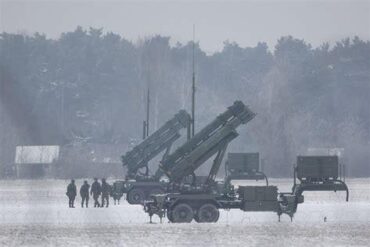
This redirection of military aid comes with a price tag nearing $10 billion, and includes renewed shipments of Patriot air defense systems, which are sorely needed to counter Russian aerial assaults. However, the real strategic shift may lie in the inclusion of Tomahawk cruise missiles, capable of reaching deep inside Russian territory.
Tomahawk on the Table: Targeting Moscow and St. Petersburg
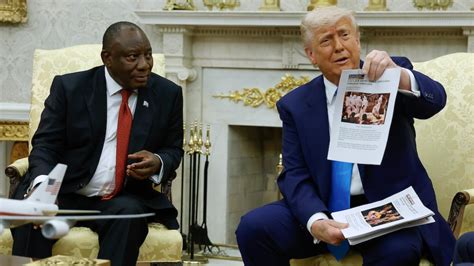
According to a report by The Washington Post on July 15, Trump has considered providing Tomahawk cruise missiles to Ukraine, which could enable strikes on strategic locations like Moscow and St. Petersburg. This revelation, sourced from an unnamed insider, suggests that while these missiles are not currently in the official aid package, they could be included if Trump chooses to escalate the conflict further.
Further stoking speculation, a Financial Times article the same day claimed Trump directly asked Ukrainian President Volodymyr Zelensky, “Can you hit Moscow? Can you hit St. Petersburg too?” Though unverified, the remark underscores the gravity of this strategic crossroads.
The idea is not new. Ukraine first sought Tomahawk missiles in October 2024 as part of its Five-Step Victory Plan. At that time, U.S. officials hesitated, doubting the missiles’ impact and citing global stockpile limitations. Russia, in turn, issued stern warnings that such actions would be treated as direct NATO involvement—potentially crossing a red line that could escalate the war to a broader conflict.
The Lethal Precision of Tomahawk Missiles
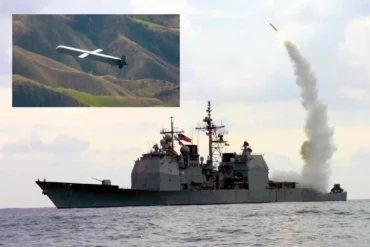
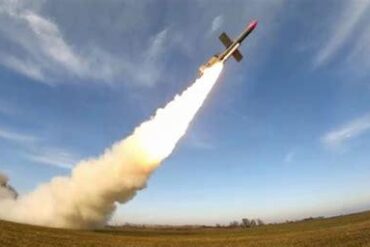
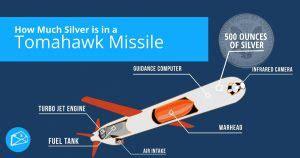
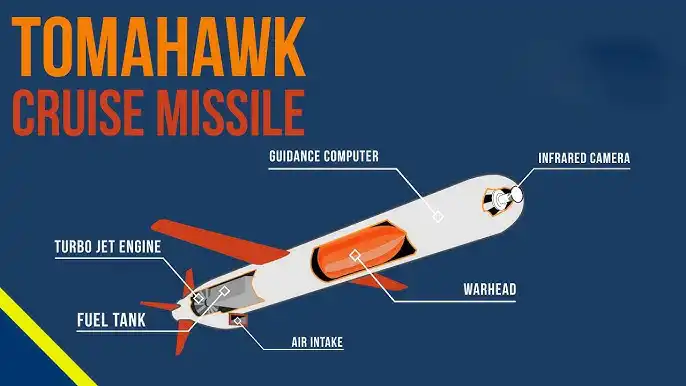
Designed for accuracy and long-range reach, Tomahawk missiles remain a backbone of U.S. strike capability. Despite being decades old, these missiles continue to demonstrate devastating efficacy on modern battlefields.
- Range: 1,600–2,500 km depending on the variant
- Speed: Subsonic (approx. 880 km/h)
- Payload: Around 1,000 lbs (conventional warhead)
- Guidance: GPS/INS with terrain contour matching (TERCOM)
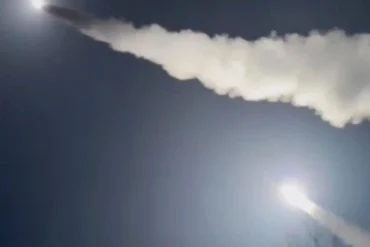
In their latest usage during strikes on Iran’s nuclear sites, Tomahawks proved instrumental in breaching fortified defenses. Notably, 30 missiles were launched from U.S. submarines positioned 400 miles away, highlighting the system’s versatility and stealth.
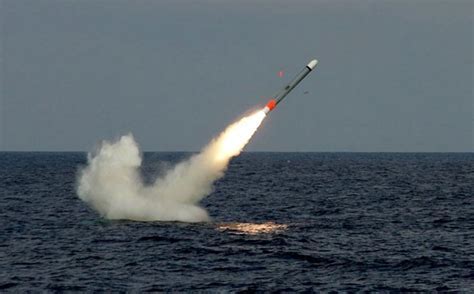
For Ukraine, these capabilities could offer a game-changing advantage, allowing Kyiv to strike Russian command centers, drone factories, military airfields, and logistical hubs beyond the reach of existing systems like ATACMS or Storm Shadow. Such deep strikes could severely disrupt Russian supply chains and operational tempo.
Bunker Busters and Strategic Depth
Alongside Tomahawks, U.S. forces recently deployed the GBU-57 Massive Ordnance Penetrator (MOP)—a 30,000-pound “bunker buster”—in the Iran operation. Though there’s no confirmed plan to send MOPs to Ukraine, the precedent signals a willingness to escalate the lethality of weapons deployed in proxy theaters.
The MOP is designed to obliterate deeply buried infrastructure—like missile silos or command bunkers—rendering it a potential strategic threat if transferred to allies or used in future European conflicts. While delivery of such heavy ordnance to Ukraine is improbable due to its delivery requirements, the inclusion of similar deep-penetration capabilities might follow.
The Evolution of Tomahawk Technology
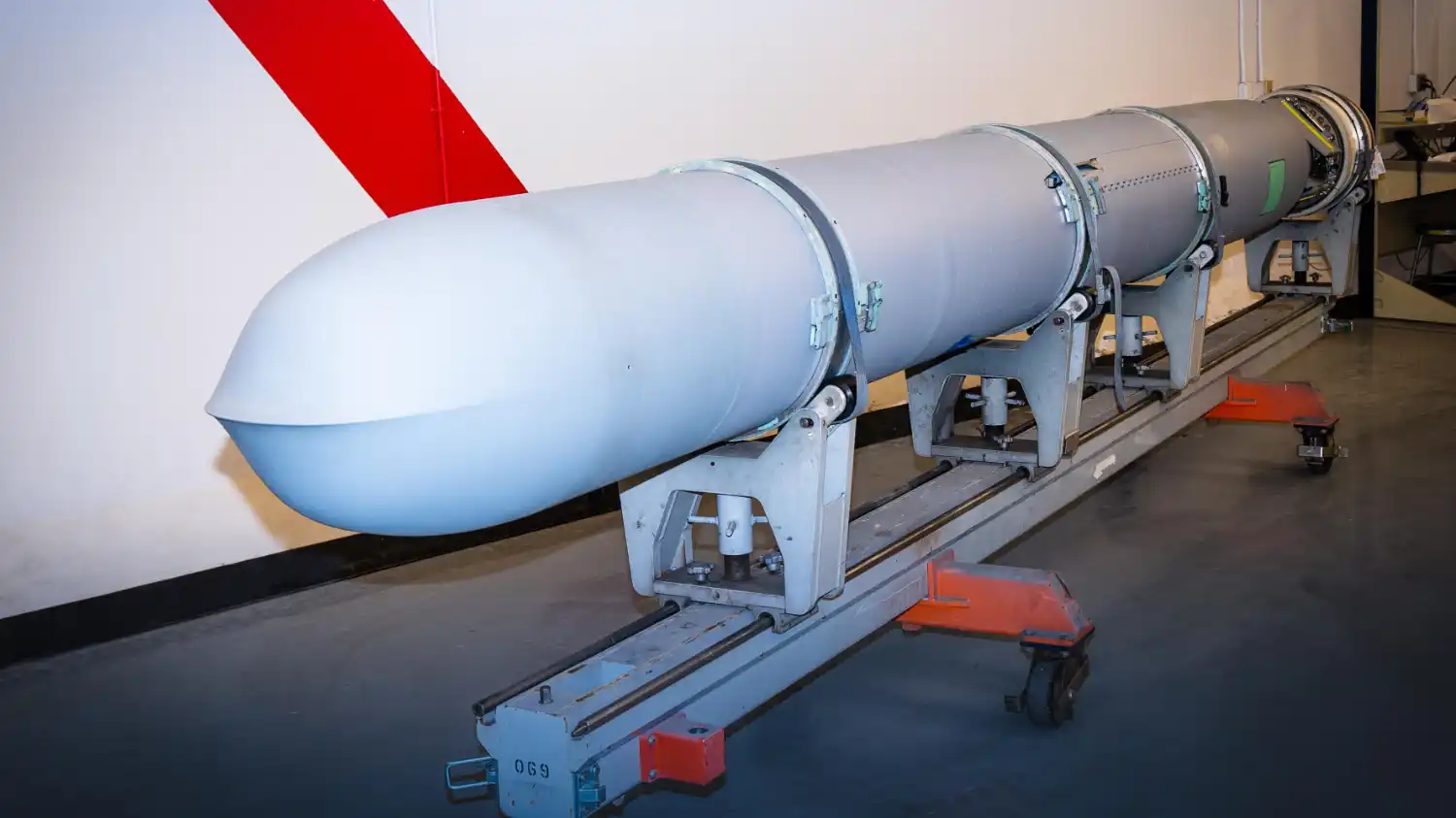
Tomahawk missiles have undergone continuous upgrades since their inception. The modern Block IV and Block V variants feature next-generation capabilities:
- Block IV:
- In-flight retargeting via satellite communication
- Loitering capability over target areas
- Battle damage assessment functionality
- Block V:
- Enhanced comms and navigation
- Maritime strike capability against moving ships
- Stealthier radar profiles
These features make the Tomahawk an ideal tool for surgical, high-value strikes, including mobile or time-sensitive targets. They can alter flight paths mid-air, hover over targets, and even perform real-time reconnaissance—essential functions for adaptive warfare in Eastern Europe.
Strategic Impact: Russia’s Worst-Case Scenario
Should Ukraine acquire and deploy Tomahawk missiles, Russia would face a radically different battlefield landscape. Fixed infrastructure—like weapons depots, radar installations, and transport hubs deep within Russia—would suddenly be at risk. This shift could compel Moscow to relocate key assets, hampering supply logistics and reducing operational efficiency.
It could also sow confusion and fear among Russian forces, disrupting morale and amplifying domestic opposition to the war. Russian air defense systems, already strained by drone swarms and shorter-range missiles, would face new challenges intercepting low-flying cruise missiles with precision strike profiles.
The Naval-to-Land Challenge: Adapting Tomahawk for Ukraine
One of the primary hurdles in arming Ukraine with Tomahawks lies in platform adaptation. These missiles are traditionally launched from U.S. Navy ships and submarines. Ground-based launch platforms would need to be integrated, potentially requiring new launchers or conversion of existing missile batteries.
This technical complication, however, may not be insurmountable. Reports suggest that Poland and Romania, both NATO members and recipients of U.S. Tomahawk-compatible systems, could facilitate integration or act as operational bases if diplomacy permits. There’s also the possibility of mobile launchers being developed for deployment inside Ukrainian territory.
Proxy Escalation or Deterrence Gambit?
The potential shipment of Tomahawks to Ukraine would mark a historic escalation in U.S.-Russia proxy conflict, akin to Cold War dynamics but with modern precision tools. Some analysts argue this would cross a Kremlin red line, forcing a disproportionate or even irrational Russian response. Others believe it could act as a deterrent, convincing Moscow that continued aggression will result in unacceptable costs.
From the U.S. strategic standpoint, arming Ukraine with deep-strike capabilities might finally shift the war’s trajectory—either driving Russia to negotiate or forcing it to retreat tactically. Yet the geopolitical risk is immense. As with all escalatory actions, the outcome would hinge on both military efficacy and political calculus.
Conclusion: A Dangerous Turning Point
As the world watches Ukraine’s resistance against Russia, the possibility of U.S.-supplied Tomahawk missiles reshaping the conflict looms large. Their inclusion in a future arms package would signal that the Trump administration is no longer content with incremental aid, but is instead preparing to push back against Russia with full-spectrum strategic tools.
Whether this results in victory, escalation, or stalemate will depend not just on missiles, but on diplomacy, resolve, and the international community’s willingness to manage the fallout of a deeply modernized proxy war.