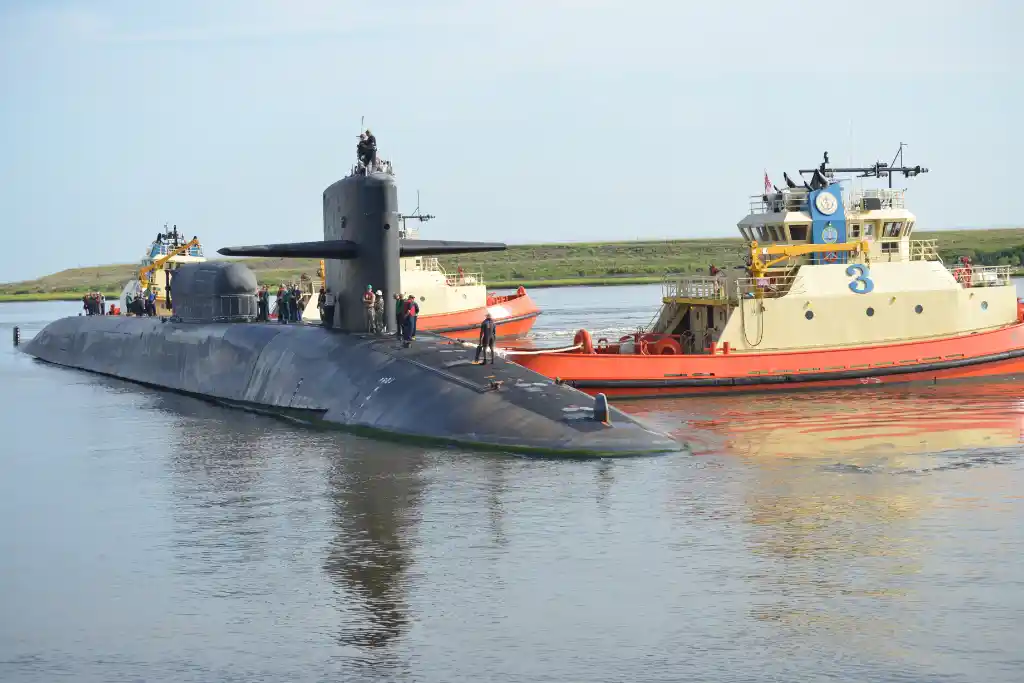
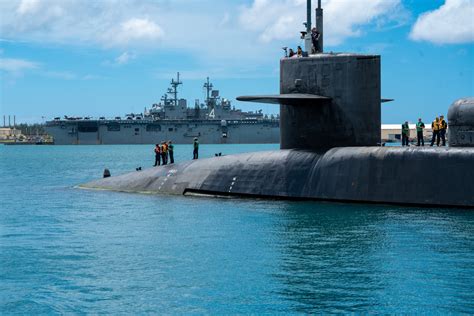
The USS Florida (SSGN-728) is not just a submarine; it is a symbol of American maritime might, precision warfare, and strategic evolution. As it approaches its retirement in 2026, the legacy it leaves behind is both storied and deeply impactful. As one of the few submarines to have undergone a transformation from a ballistic missile platform to a guided missile powerhouse, the USS Florida’s career marks a pivotal chapter in the operational history of the United States Navy.
Designed originally as an Ohio-class SSBN, the USS Florida’s earliest role was rooted in the heart of Cold War deterrence strategy. Armed with 24 Trident II D5 nuclear ballistic missiles, she stood silently in the deep ocean, a vanguard against existential threats. Yet, unlike its nuclear brethren, Florida would later transform into an offensive precision strike vessel, a transition that altered the naval warfare landscape.
From Nuclear Deterrent to Precision Strike
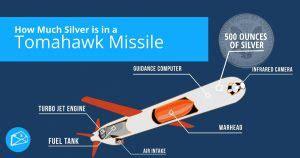
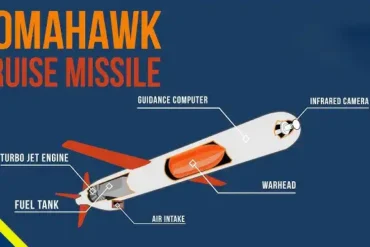
Commissioned in 1983, the USS Florida was the sixth Ohio-class submarine to enter service. For nearly two decades, it operated as a nuclear deterrent, completing 61 strategic deterrent patrols by the end of 2002. The shifting geopolitical climate and the findings of the 1994 Nuclear Posture Review prompted the Navy to reduce its fleet of nuclear-armed submarines from 18 to 14. Rather than decommission the four surplus boats, the Navy opted to convert them into SSGNs — guided missile submarines capable of launching Tomahawk Land Attack Missiles (TLAMs).
The transformation was nothing short of radical. The USS Florida was retrofitted to house 22 missile tubes, each capable of holding 7 Tomahawks, giving it a massive payload capacity of 154 precision-strike missiles. This repurposing turned a Cold War relic into a 21st-century warfighter with the ability to operate in littoral zones, launch strikes from stealth, and support special operations missions.
Historic Combat Debut in Operation Odyssey Dawn
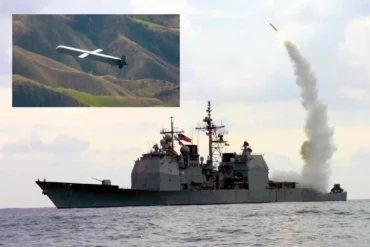
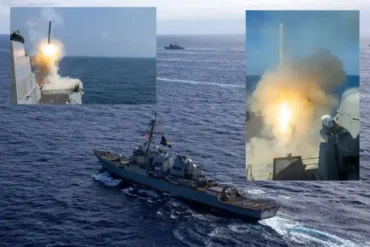
Though many U.S. platforms had fired Tomahawks since their combat debut during the 1991 Gulf War, it wasn’t until March 19, 2011, that the USS Florida made its historic entrance into live combat. During Operation Odyssey Dawn, a multinational military campaign aimed at crippling Libya’s air defense systems, the USS Florida launched over 90 Tomahawk missiles. These strikes obliterated key radar and missile defense nodes, clearing the skies for coalition air superiority.
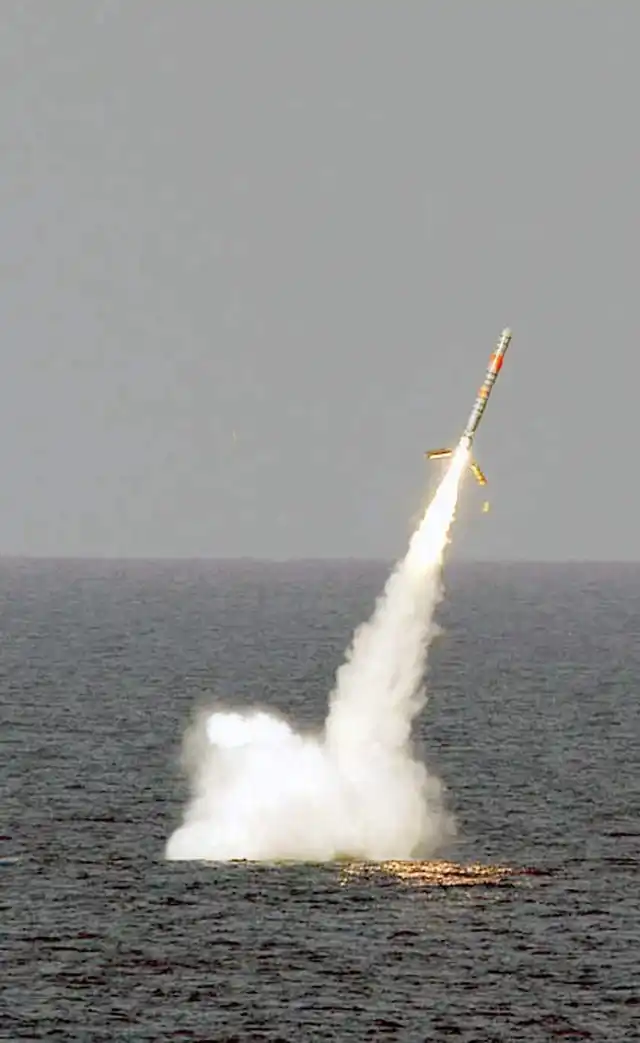
This event marked the first time an Ohio-class SSGN had fired its weapons in anger — and it did so with lethal effectiveness. Operating silently off the Libyan coast, the USS Florida struck with surgical precision, underlining the critical value of submarine-launched cruise missile platforms in modern warfare.
The Unseen Warrior: Strategic Stealth and Global Presence
The nature of submarine warfare is inherently clandestine. The USS Florida’s missions often took place far from public view, but their impact resonated globally. After its combat debut, the Florida continued to play a quiet but forceful role in U.S. military strategy. Its immense payload, paired with stealth and endurance, made it a key tool for power projection in contested regions.
One of the most impressive demonstrations of this capability came during its final global deployment beginning in August 2022. The submarine departed the Atlantic Ocean, conducting operations across multiple theaters including areas near Iran, China, and Russia. This deployment was not merely symbolic. It was a force presence designed to reassure allies, deter adversaries, and prepare for high-stakes contingencies.
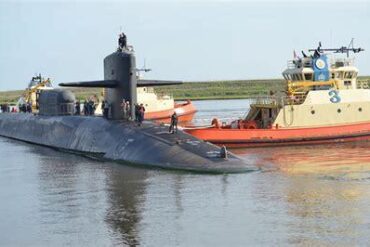
Over the course of 727 days, the USS Florida remained forward-deployed, supported by five separate crew swaps — a testament to the Navy’s Blue and Gold crew system and the boat’s relentless operational tempo. This two-year mission culminated in the Florida’s return to port on July 31, 2024, having completed one of the longest and most strategic deployments in U.S. submarine history.
A Decorated Career of Quiet Valor
Throughout its four-decade career, the USS Florida earned numerous commendations and awards, recognizing both operational excellence and crew performance. Its transformation from an SSBN to an SSGN signified more than a technological upgrade — it was a philosophical shift in how the Navy viewed undersea warfare.
Guided missile submarines like the Florida became instrumental in:
- Power projection without provocation, allowing strike capability without deploying surface assets.
- Supporting special operations forces (SOF), with facilities to house and launch SEAL teams via Dry Deck Shelters.
- Conducting ISR (Intelligence, Surveillance, and Reconnaissance) missions in hostile waters, undetected.
This versatility turned SSGNs into multi-role platforms capable of conducting strategic strikes, unconventional warfare support, and surveillance — all while operating in denied environments.
Retirement and the Dawn of a New Class
In alignment with strategic modernization, the USS Florida is set to retire in 2026, alongside the USS Ohio (SSGN-726). The other two converted SSGNs, USS Michigan and USS Georgia, will follow by 2028. Their retirement marks the end of an era, one that saw submarines evolve from monolithic Cold War weapons to agile instruments of precision warfare.
The Columbia-class SSBNs, designed primarily for strategic deterrence, will replace the aging Ohio-class SSBNs, ensuring the continuity of America’s sea-based nuclear triad. However, no direct successor for the SSGN role has yet been fielded, raising concerns within defense circles about a temporary capability gap in undersea conventional strike capacity.
Though Virginia-class Block V submarines are being equipped with the Virginia Payload Module (VPM) to carry additional Tomahawks, they do not match the payload volume of the SSGNs. The absence of a full-fledged replacement for the Ohio-class SSGNs leaves a void in the Navy’s ability to launch massive first-strike salvos from stealth.
The Strategic Footprint It Leaves Behind
The retirement of the USS Florida is not just a symbolic farewell. It underscores the ever-evolving landscape of naval warfare. As nations like China and Russia continue to expand their naval capabilities and littoral conflict zones emerge globally, platforms like the USS Florida have proven indispensable.
With a legacy rooted in nuclear deterrence and matured through precision strike capabilities, the Florida’s story is one of adaptation, endurance, and unmatched service. It served as a sentinel during the Cold War and transformed into a forward-deployed sword in the asymmetric conflicts of the 21st century.
Final Thoughts: A Chapter Ends, A Legacy Lives On
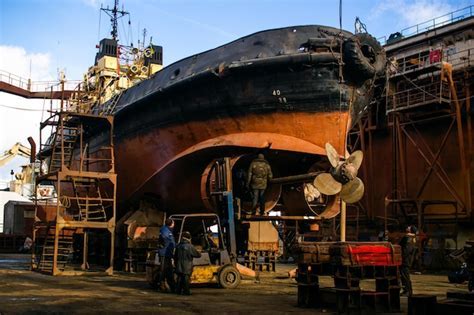
The USS Florida’s career encapsulates the dual ethos of naval power: the ability to deter with force and the readiness to strike with precision. From the silent bastions of nuclear warfare to the spearhead of conventional combat operations, Florida’s journey has been defined by evolution, resilience, and impact.
As it heads toward decommissioning, the legacy of the USS Florida lives on not just in naval records but in the strategic doctrines and technological blueprints that define the future of undersea warfare. Its retirement marks the close of a bold chapter in American military history — a chapter written in the silent currents of the deep and echoed across global theaters of conflict.