During World War I (1914–1918), aircraft evolved from primitive reconnaissance tools into multi-role war machines, marking the birth of military aviation. This era introduced groundbreaking technological innovations, strategic doctrines, and iconic dogfights that forever reshaped the battlefield. In this article, we examine the key developments, notable aircraft models, and their impact on the war and future airpower.
The Birth of Aerial Combat (1914–1915)
Reconnaissance Dominates the Sky
At the onset of the war, airplanes were primarily used for aerial observation. Commanders quickly recognized the tactical value of aerial reconnaissance, and both sides began deploying aircraft to gather intelligence, direct artillery fire, and observe enemy troop movements.
One of the most prominent early aircraft was the Etrich Taube, a monoplane developed by Germany. This model featured no onboard weapons and was constructed primarily from wood and fabric, making it extremely vulnerable in combat. With a range of 140 km, it was capable of modest battlefield surveillance but soon became obsolete due to its lack of defensive capabilities.
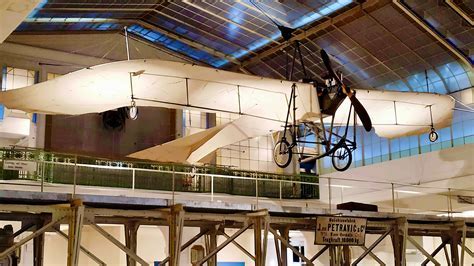
Meanwhile, the British Royal Aircraft Factory introduced the B.E.2, emphasizing flight stability over agility. Designed for artillery spotting and photography, it was slow and poorly maneuverable, making it easy prey for faster German fighters. Despite its flaws, over 3,500 units were produced, making it a staple of early British airpower.
The Emergence of Armed Fighters
The first fighter aircraft emerged in 1915 with the French Morane-Saulnier L. It became famous after pilot Roland Garros equipped it with a forward-firing machine gun fitted with deflector plates on the propeller. Garros shot down four German aircraft, earning him the title of the first fighter ace.
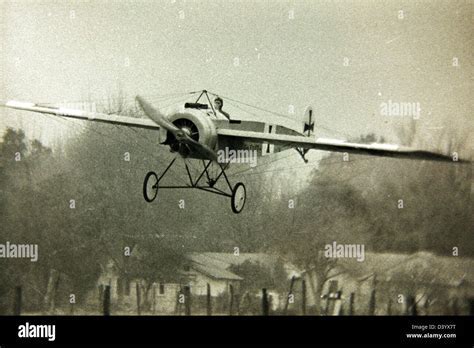
Germany responded swiftly. The Fokker Eindecker series introduced interrupter gear—a mechanism that synchronized machine-gun fire with the propeller’s rotation, allowing bullets to pass between the blades without damage. This innovation ushered in the “Fokker Scourge,” during which German pilots gained aerial dominance over Allied forces.
Technical Breakthroughs and Specialization (1916–1917)
Rise of the Dedicated Fighter Aircraft
The mid-war period saw aircraft becoming specialized combat tools, each designed for specific roles—dogfighting, bombing, or observation.
Notable Allied Fighters:
- Nieuport 11 (France): Known as the “Bébé”, this nimble biplane was lightweight and agile, making it a lethal adversary in close-range dogfights.
- SPAD S.VII (France): Featuring a stronger airframe and more powerful engine, it favored durability and firepower over agility. French ace Georges Guynemer achieved 54 kills flying the SPAD.
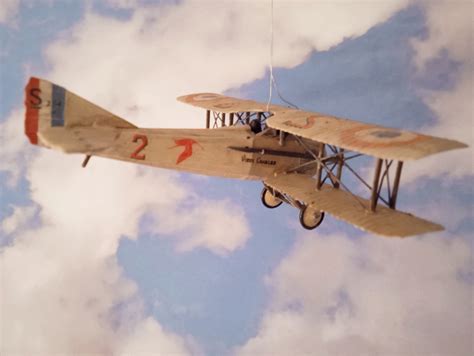
- Airco DH.2 (Britain): A pusher configuration fighter with the propeller mounted at the rear, which gave an unobstructed field of fire from the nose-mounted machine gun. It helped Britain counter the Fokker threat.
German Developments:
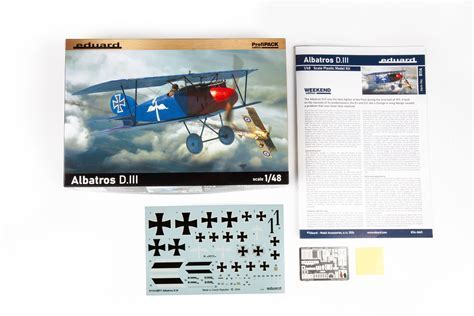
- Albatros D.II/D.III: These fighters became Germany’s primary combat aircraft between 1916–1917. With a powerful 160 hp Mercedes engine and a streamlined fuselage, they could reach speeds of 180 km/h, a major improvement over earlier models.
Strategic Bombing Takes Flight
As aircraft reliability improved, both sides began exploring long-range bombing missions. Two pioneering platforms emerged:
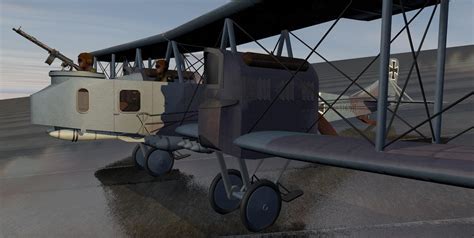
- Sikorsky Ilya Muromets (Russia): The world’s first four-engine heavy bomber, capable of carrying 700 kg of bombs over 1,200 km. It even featured crew accommodations like a washroom and lounge—unheard of at the time.
- Gotha G.IV (Germany): A twin-engine heavy bomber responsible for night raids over London starting in 1917. These attacks marked the beginning of strategic bombing, inflicting civilian casualties and psychological shock.
Legends of the Air (1917–1918)
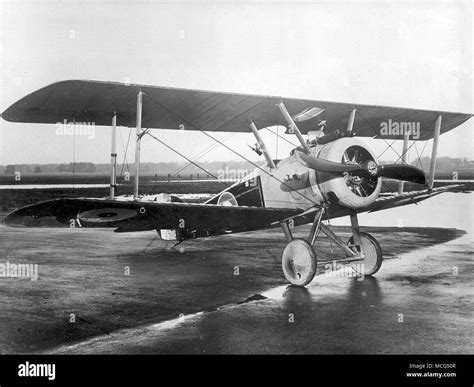
Sopwith Camel F.1: Britain’s Dogfight King
Introduced in 1917, the Sopwith Camel became the most successful British fighter of the war. Equipped with twin synchronized Vickers machine guns and an agile frame, it was a formidable dogfighter. However, its gyroscopic rotary engine made handling tricky, especially for inexperienced pilots.
The Camel was responsible for 1,294 aerial victories, including the downing of Germany’s most iconic ace, Manfred von Richthofen (the Red Baron).
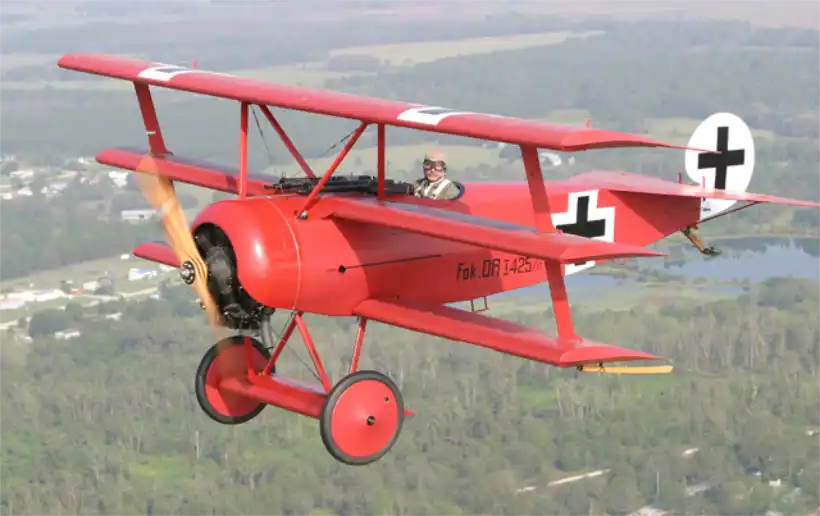
Fokker Dr.I Triplane: Red Baron’s Steed
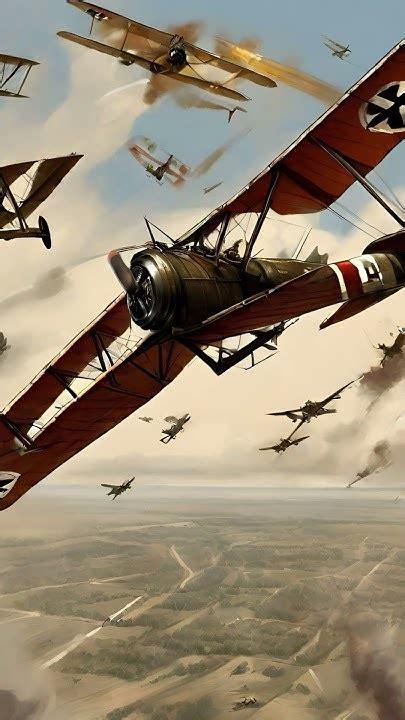
The Fokker Dr.I, instantly recognizable by its three-wing design, emphasized maneuverability and rapid climb rate. Though it had a lower top speed than its rivals, its agility made it deadly in the hands of skilled pilots.
Its most famous pilot, Manfred von Richthofen, scored many of his 80 aerial victories in the Dr.I before being killed in 1918.
Albatros Series and German Dominance
The Albatros D.III, introduced in late 1916, combined speed, firepower, and a V-shaped wing design for better lift. Pilots like Ernst Udet and Oswald Boelcke flew Albatros fighters to great effect, with Udet tallying 62 kills.
Naval Aviation and Amphibious Platforms
WW1 also expanded aerial warfare to the seas. The introduction of floatplanes and seaplanes enabled naval reconnaissance and torpedo bombing.
- Curtiss A-1 Triad (USA): America’s first amphibious aircraft, used for coastal patrols and early anti-submarine roles.
- Short Type 184 (Britain): Notably executed the first successful aerial torpedo attack in 1915, changing the dynamics of naval combat.
Training and Support Aircraft
To train a growing number of pilots, nations developed dedicated trainer aircraft.
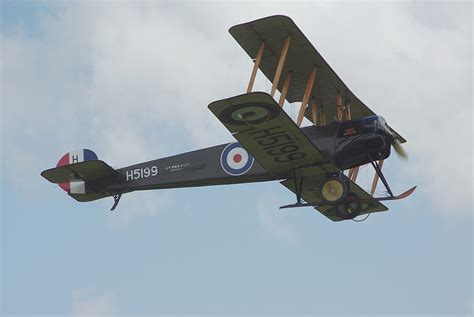
- The Avro 504, produced in over 10,000 units, served as the primary British trainer. It also undertook reconnaissance and light bombing missions, remaining in use well into the 1930s.
Legacy and Historical Preservation
Restoration and Museum Displays
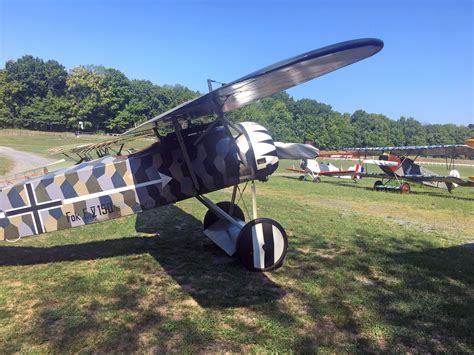
Today, aviation museums like the Old Rhinebeck Aerodrome in the U.S. recreate WW1 air battles using flyable replicas. Visitors can witness dogfights between Fokker Dr.I and SPAD S.VII, bringing history to life.
Digital Simulations and Games
Modern VR flight simulators such as “Warplanes: WW1 Fighters” allow users to experience WW1 air combat, featuring realistic cockpit controls, manual bomb drops, and gunner positions. Players can fly aircraft like the Airco DH.2 or Fokker Dr.I with historically accurate physics.
Performance Evolution of WW1 Planes
| Feature | 1914 (Early War) | 1918 (Late War) |
|---|---|---|
| Top Speed | ~80 km/h | Up to 220 km/h |
| Ceiling | ~200 m | 8,000 m |
| Armament | None or Rifles | 2x synchronized MGs |
| Bomb Load | 0–50 kg | 700+ kg (bombers) |
| Aircraft Structure | Wood & Fabric | Wood + Metal |
Allied vs. Central Powers: Fighter Comparison
| Aircraft | Country | Key Features | Ace Affiliation |
|---|---|---|---|
| SPAD S.VII | France | Strong frame, heavy armament | Georges Guynemer (54 kills) |
| Sopwith Camel F.1 | Britain | Maneuverability, twin MGs | Shot down Red Baron |
| Fokker Dr.I | Germany | Triple wing, extreme agility | Red Baron (80+ kills) |
| Albatros D.III | Germany | Speed, V-type wing | Ernst Udet (62 kills) |
Conclusion: The Technological Leap
World War I catalyzed the transformation of aviation, with aircraft evolving from basic reconnaissance platforms to sophisticated combat machines. Over four years, aviation saw leaps in:
- Speed: from 80 km/h to 220 km/h
- Altitude: from 200 m to 8,000 m
- Weaponry: from rifles to synchronized machine guns and aerial bombs
- Roles: from observation to bombing, dogfighting, and naval patrols
These advancements laid the foundation for modern aerial warfare, influencing aircraft design, tactics, and military strategy for decades to come.
FAQs about WW1 Planes
What was the most successful WW1 fighter plane?
The Sopwith Camel F.1 holds the record for most confirmed aerial victories during WW1, credited with 1,294 kills. However, it was also difficult to handle due to its rotary engine.
How did WW1 aircraft shoot through the propeller?
German engineer Anthony Fokker developed the interrupter gear, a synchronization device allowing machine guns to fire between the rotating blades of a propeller, revolutionizing air combat.
What was the first bomber aircraft used in WW1?
The Sikorsky Ilya Muromets, developed by Russia, was the first four-engine strategic bomber, capable of carrying 700 kg of bombs and featuring unprecedented range and onboard crew comfort.