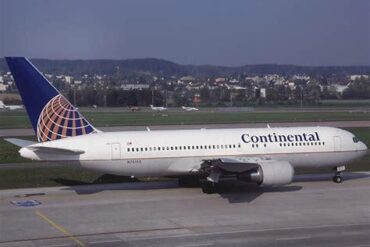
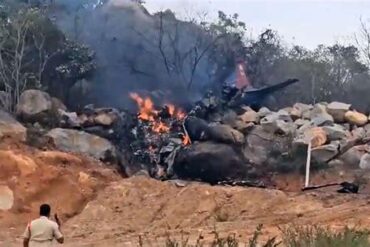
The Boeing 767, an aircraft known for its versatility and long-haul efficiency, has served commercial and cargo fleets across the globe since its introduction in the early 1980s. Despite its otherwise reliable service record, the aircraft has also been involved in several devastating accidents throughout aviation history. In this article, we examine the 10 worst Boeing 767 crashes — excluding those involved in the 9/11 attacks — by death toll and catastrophic impact, providing insight into each tragic event.
1. Sirena Beach Runway Collision (2012)
One of the deadliest ground collisions in aviation history, the Sirena Beach Runway Disaster in 2012 saw a fully loaded Boeing 767 collide with another widebody aircraft during a miscommunicated simultaneous landing and takeoff. A total of 301 lives aboard the Boeing 767 were lost, along with 259 from the other aircraft and 172 on the ground, bringing the total fatalities to an astounding 732.
Investigators pointed to air traffic control miscommunication and inadequate radar coverage as key contributors. The chaotic evacuation and subsequent fire engulfed both aircraft within minutes, making this incident one of the most horrifying examples of systemic aviation failure.
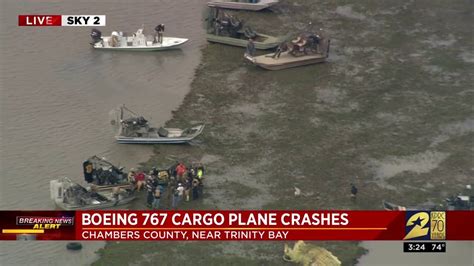
2. Blackheart Airport Disaster (2020)
The Blackheart Airport Disaster in 2020 marked another catastrophic mid-air tragedy. A Boeing 767 collided during its approach with another aircraft on final descent. All 250 passengers and crew aboard the 767 perished, along with 154 on the second aircraft and 310 civilians on the ground, tallying 714 lives lost.
This tragedy led to a global reassessment of approach vector separation protocols and prompted enhanced terrain proximity alert system updates.
3. Thunder Bay Mid-Air Collision (2012)
In Canadian airspace near Thunder Bay, two aircraft, including a Boeing 767 carrying 266 people, collided at high altitude. The collision claimed 309 lives on the other aircraft, with total fatalities reaching 575.
Radar logs later revealed a navigational systems malfunction on both aircraft, resulting in a convergence at the same flight level. This incident placed immense scrutiny on the integrity of shared air corridors in North American airspace.
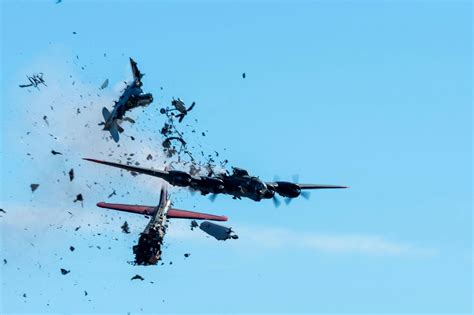
4. Asraggah Mid-Air Collision (2014)
Over the Middle East, a Boeing 767 and another widebody aircraft engaged in standard cruising were involved in a catastrophic mid-air collision. The incident resulted in 313 deaths aboard the 767 and 256 on the opposing flight, totaling 569 fatalities.
This tragedy illuminated vulnerabilities in transnational air traffic coordination, particularly over disputed or militarized airspaces. Subsequent reforms forced a reevaluation of air control handoffs between bordering nations.
5. 2010 London Heathrow Disaster
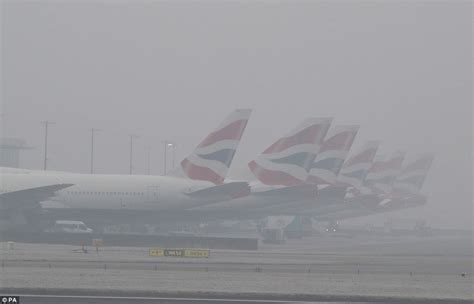
This 2010 incident involved a fully booked Boeing 767 colliding with a taxiing aircraft during an attempted aborted landing at London Heathrow Airport. The crash killed 294 people aboard the 767, 254 in the taxiing plane, and 20 individuals on the ground.
One of the key failures involved inoperative runway lighting and poor visibility due to fog, which caused the landing pilot to deviate from the assigned path. Investigators later cited ineffective low-visibility protocols at Heathrow.
6. United Airlines Flight 13 (2000)
In a chilling episode, United Airlines Flight 13, a transcontinental service operated by a Boeing 767, suffered an explosive decompression followed by a systems failure, causing the aircraft to crash into a populated area. All 225 passengers and crew died, along with 288 individuals on the ground, totaling 513 fatalities.
The crash was linked to undetected metal fatigue in the rear fuselage combined with aging electrical systems. The National Transportation Safety Board’s (NTSB) final report initiated a series of new mandates for aging aircraft inspection protocols.
7. Oklahoma Mid-Air Collision (2010)
Above Oklahoma’s controlled airspace, a Boeing 767 and a regional jet converged head-on during what should have been standard descent vectors. The 767 carried 286 passengers and crew, while the second aircraft had 119 onboard. Both aircraft were obliterated, and none survived.
This crash highlighted the dangers of non-standard deviation requests during high-traffic descent windows. It prompted FAA-mandated conflict detection software upgrades across U.S.-registered fleets.
8. New Bloxia Mid-Air Collision (2002)
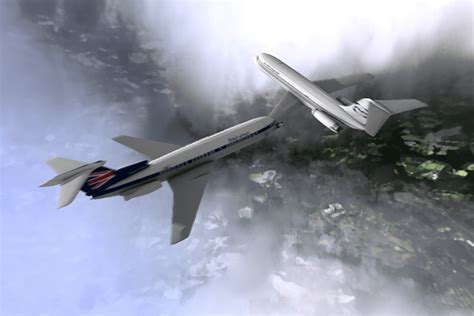
The skies above New Bloxia were marred in 2002 by a harrowing mid-air collision that left 112 people aboard the Boeing 767 and 269 aboard the second aircraft dead. An additional 15 casualties occurred on the ground, bringing the death toll to 396.
The collision occurred during a military exercise intersecting with commercial routes, a rare and previously unforeseen scenario. Civil aviation authorities revised military-civilian coordination policies following this tragedy.
9. Fairview Peak Mid-Air Collision (1989)
In one of the earliest mass-fatality events involving the Boeing 767, Fairview Peak witnessed a mid-air collision between a 767 and a narrow-body airliner. All 241 aboard the 767 and 140 passengers on the other plane perished, along with one person on the ground, totaling 382 deaths.
The accident’s root cause stemmed from radar signal interference in mountainous terrain, revealing how altitude and terrain complexity could severely impair tracking capability.
10. Sleepy Hollow Mid-Air Collision (2010)
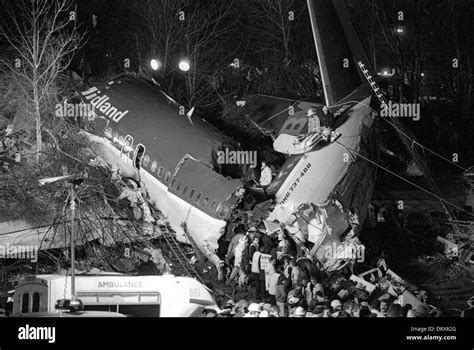
Near the American township of Sleepy Hollow, a Boeing 767 collided with a domestic flight in controlled airspace. The 767 held 65 passengers, while the other aircraft had 275 occupants. An additional 10 civilians on the ground were killed, leading to a total of 350 fatalities.
Sleepy Hollow’s incident was notable for its proximity to densely populated urban corridors and its sub-second window for evasive maneuvers, which were impossible under the then-current avionics latency. The crash led to implementation of real-time synthetic vision systems for situational awareness in congested skies.
Conclusion: A Legacy of Lessons and Reforms
Though the Boeing 767 continues to serve commercial fleets worldwide, the air disasters chronicled here remain somber reminders of the vulnerabilities in aviation systems — whether due to mechanical failure, human error, or systemic oversight. Each catastrophe triggered far-reaching reforms, from air traffic control coordination improvements to upgrades in aircraft design and avionics reliability. While these tragedies cannot be undone, they have significantly shaped the safer airspace we navigate today.