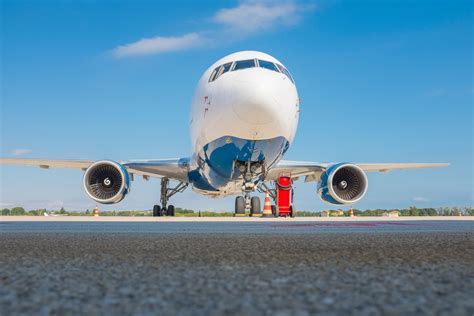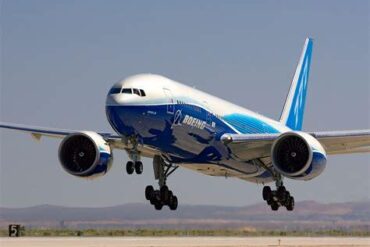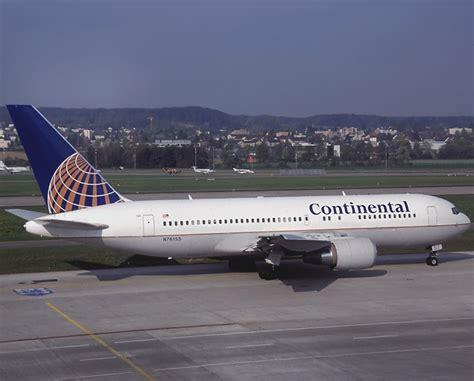
The Boeing 767 stands as one of the most influential and versatile aircraft in the history of commercial aviation. A wide-body, twin-engine jet airliner developed by Boeing, the 767 revolutionized air travel when it was first launched in 1978. Initially conceived as the 7X7 program, its purpose was to bridge the gap between the larger 747 and smaller twin-engine aircraft, offering a unique combination of passenger comfort, operational efficiency, and cargo flexibility.
The Birth of the Boeing 767
Boeing’s ambitious vision to create a wide-body twin-engine aircraft became a reality when the 7X7 program was launched in the late 1970s. The aircraft was designed to serve medium to long-range routes, specifically transatlantic and transcontinental flights. The 767 was intended to complement the larger, four-engine 747, offering airlines a more cost-effective option for flights where the 747 was too large, yet where the need for greater capacity and range surpassed the capabilities of smaller aircraft.
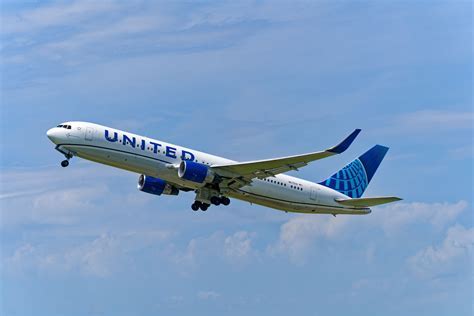
After its first flight in 1981, the Boeing 767 entered commercial service in 1982 with United Airlines. Its performance quickly earned the aircraft a reputation for reliability, efficiency, and versatility. Unlike its predecessors, which typically required a larger crew, the 767 utilized a two-crew glass cockpit, reducing the need for flight attendants and minimizing operational costs for airlines. This innovation was groundbreaking for the aviation industry and helped solidify the aircraft’s role as a key player in the commercial market.
The Different Models of the Boeing 767
One of the factors that contributed to the lasting success of the Boeing 767 is the variety of models available, each tailored to meet the unique demands of airlines and cargo operators. From its initial offerings, Boeing expanded the 767 family to include different variants, each optimizing specific characteristics like range, payload, and capacity.
The original 767-200 model was the first to hit the market, offering a capacity of around 181 passengers and a range of approximately 3,000 nautical miles. However, it was the development of the 767-200ER (Extended Range) that truly captured the attention of airlines. With its increased range of around 4,000 nautical miles, the 767-200ER became a favorite for transatlantic and long-haul routes.
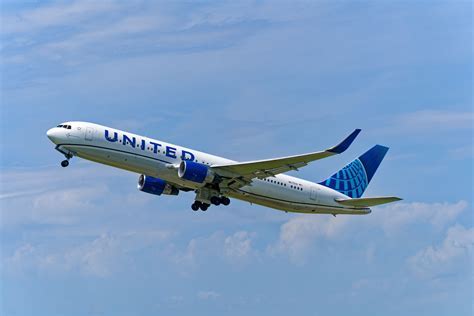
The next major milestone in the 767’s evolution was the 767-300 model. This version was stretched to accommodate more passengers, with the 767-300 capable of carrying up to 269 passengers. The 767-300ER, its extended range counterpart, quickly became the most popular variant of the Boeing 767. Its enhanced range, now at over 6,000 nautical miles, allowed airlines to operate on even longer routes, particularly across the Atlantic and Pacific oceans.
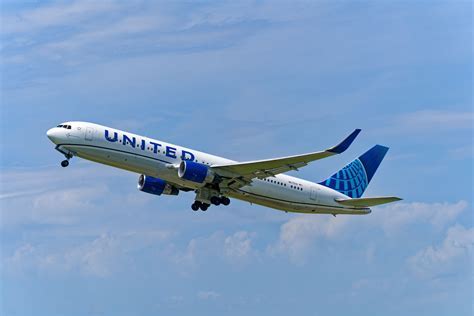
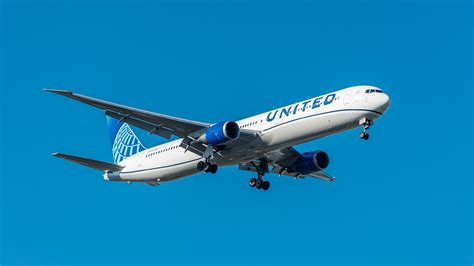
In the early 2000s, Boeing introduced the 767-400ER, an even larger version of the aircraft, capable of seating up to 375 passengers. While not as widely adopted as the 767-300ER, the 767-400ER found favor with certain operators looking to increase capacity on busy routes.
Engine Power and Fuel Efficiency
One of the standout features of the Boeing 767 is its fuel-efficient design. As a twin-engine aircraft, the 767 benefits from lower fuel consumption compared to larger, four-engine airliners. This efficiency is largely attributed to the aircraft’s aerodynamic design, including optimized wing shapes and the use of turbofan engines that reduce drag and improve fuel economy.
The 767 is powered by engines from three major manufacturers: General Electric, Rolls-Royce, and Pratt & Whitney. Each of these engines offers a different set of benefits, including higher thrust ratings, improved fuel efficiency, and reliability. For example, the General Electric CF6 engine, commonly used on the 767, has become known for its durability and low operating costs.
Versatility: Passenger and Cargo Operations
While the Boeing 767 is primarily known for its role in commercial passenger service, its design also made it highly adaptable to cargo operations. The aircraft’s spacious cabin and wide fuselage made it an ideal choice for freighter conversions. Over the years, Boeing has delivered a substantial number of 767 freighters to both cargo operators like FedEx and UPS, and to military customers for transport missions.
In fact, the Boeing 767’s ability to switch between passenger and cargo configurations has made it particularly valuable in the rapidly growing e-commerce market. Many cargo airlines now rely on the 767 freighter to deliver goods across the globe, thanks to its efficient use of space and impressive range.
Military Derivatives: The Boeing 767 in Defense
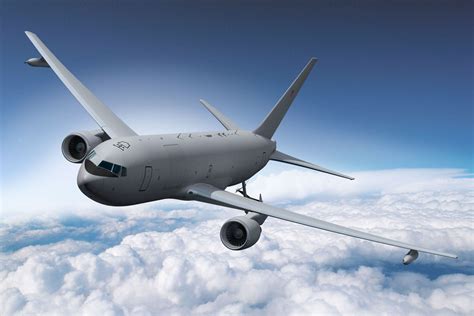
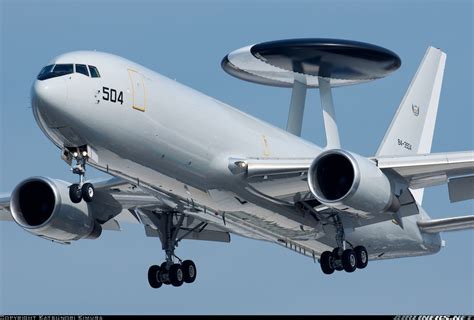
Beyond its commercial and cargo roles, the Boeing 767 has found a significant place in military aviation. The aircraft’s versatility has led to several military derivatives, the most notable being the KC-46 aerial refueling tanker and the E-767 surveillance aircraft.
The KC-46, based on the 767-200, is a state-of-the-art refueling aircraft designed to provide critical air-to-air refueling capabilities to military jets. The tanker can carry more than 200,000 pounds of fuel and is equipped with modern technology, including remote-controlled refueling systems. The KC-46 has been adopted by the United States Air Force and has been deployed on numerous missions since its delivery.
The E-767, another military variant, is an airborne early warning and control (AEW&C) aircraft. Based on the 767-200ER, the E-767 is equipped with an advanced radar system that provides real-time surveillance and command and control capabilities to military forces. The aircraft plays a vital role in various defense operations and has been a critical asset for Japan’s Air Self-Defense Force.
The Success of the Boeing 767: An Enduring Legacy
Since its entry into service in 1982, the Boeing 767 has achieved remarkable success, with more than 1,300 units delivered by 2025. Its continued use by major airlines, such as Delta Air Lines, and cargo giants like UPS and FedEx, speaks volumes about the aircraft’s longevity and versatility.
While the 767’s production was initially slated to end in 2027, the growing demand for freighters, as well as the aircraft’s ongoing popularity with military and commercial operators, suggests that the 767 may remain in service far longer than originally anticipated. With its proven track record for reliability, fuel efficiency, and adaptability, the Boeing 767 is poised to continue flying for many years to come.
Conclusion: The Legacy of the Boeing 767
The Boeing 767 is a true icon in the world of aviation. Its versatility, efficiency, and longevity have made it one of the most successful airliners of all time. Whether as a passenger aircraft, a cargo freighter, or a military tanker, the 767 has proven itself to be indispensable to airlines, cargo operators, and defense forces worldwide. As we look to the future, the Boeing 767 will continue to serve as a testament to the engineering ingenuity and innovative spirit that have defined Boeing’s legacy in the aerospace industry.