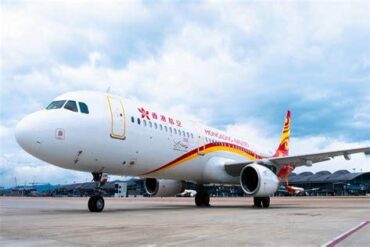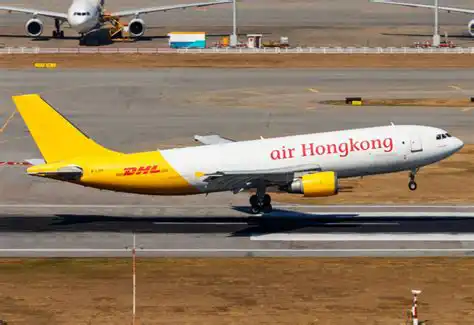
After more than two decades of steadfast service, Air Hong Kong has officially retired its final Airbus A300-600F, marking the end of an era for both the airline and regional cargo operations. The 21-year-old aircraft, registered as B-LDB, had been a cornerstone of Air Hong Kong’s cargo fleet, operating primarily on behalf of DHL Express.
This retirement concludes the airline’s extensive seven-year fleet renewal program, a strategic initiative designed to modernize its operations and enhance cargo capacity with more fuel-efficient, next-generation aircraft. With the final flight of the A300-600F, Air Hong Kong completes its transition to an all-Airbus A330 freighter fleet, reinforcing its position as a vital player in the global logistics network.
The Legacy of the Airbus A300 in Hong Kong’s Skies
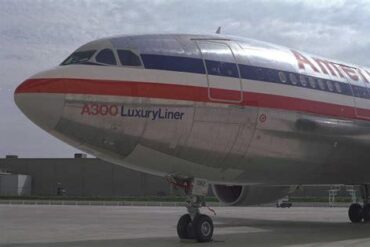
Launched by Airbus in 1974, the A300 became the world’s first twin-engine widebody aircraft. Air Hong Kong, a Cathay Pacific subsidiary, integrated the A300-600F into its operations in 2004, at a time when the demand for reliable air freight solutions across Asia was booming. Over the last two decades, these aircraft played a crucial role in establishing Hong Kong as a dominant global cargo hub.
At its peak, Air Hong Kong operated eight A300-600Fs, contributing significantly to the nearly three million tons of cargo transported via its freighter operations. These aircraft were pivotal in supporting the high-volume logistics required by DHL Express, enabling efficient deliveries across the region.
Reflecting on this milestone, Clarence Tai, Air Hong Kong’s Chief Operating Officer, remarked:
“The A300-600F has been a stalwart of Air Hong Kong’s fleet and an important part of our story for over two decades. Its contribution to not only our business, but to the Hong Kong international aviation hub as a whole, has been considerable and we fondly bid farewell to this valued member of our fleet as we enter this exciting new chapter.”
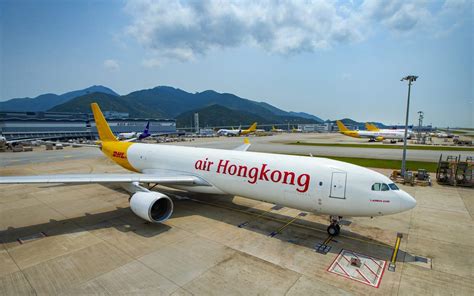
According to operational data from ch-aviation, the retired aircraft accumulated an impressive 29,431 flight hours, servicing critical routes across Asia and ensuring the consistent movement of goods in one of the world’s most dynamic economic regions.
The Transition to Airbus A330 Freighters: A New Era
In 2018, Air Hong Kong embarked on a transformative fleet modernization initiative aimed at phasing out its aging A300-600Fs in favor of more advanced Airbus A330F aircraft. The shift reflects not only technological progress but also evolving market demands driven by surging e-commerce shipments, globalized supply chains, and stricter environmental regulations.
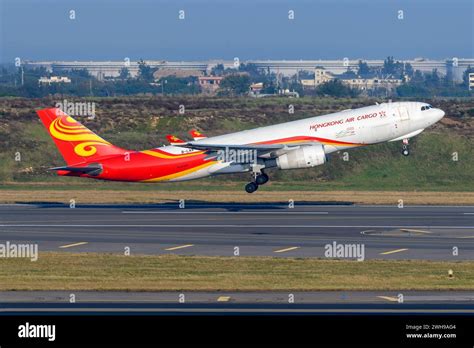
The current Air Hong Kong fleet comprises 14 Airbus A330 freighters, specifically:
- 10 Airbus A330-300P2F (passenger-to-freighter converted aircraft)
- 4 Airbus A330-200F
The A330-300P2F aircraft, of which Air Hong Kong is a launch customer, provide a 25% increase in payload capacity and cargo volume compared to the retired A300-600F models. Additionally, the newer aircraft boast a longer operational range of 7,400 kilometers, enabling the airline to extend its network reach and offer more direct routes for high-priority cargo.
The enhanced efficiency and expanded capabilities of the A330 fleet have already borne fruit. Air Hong Kong now operates scheduled and charter flights to 17 destinations across Asia, the Middle East, Europe, and Australia. New routes, including services to Bahrain and Sydney, illustrate the airline’s strategic growth ambitions and its ability to adapt to changing market dynamics.
Hong Kong: The World’s Premier Cargo Hub
The significance of Air Hong Kong’s fleet renewal extends beyond the airline itself. It reinforces the strategic importance of Hong Kong International Airport (HKG), which continues to dominate global air cargo rankings. In 2024, HKG retained its title as the busiest cargo airport in the world, handling a staggering 4.9 million tons of freight, securing its position as the global epicenter for air logistics.
Steven Yiu, Executive Director of Airport Operations at Hong Kong International Airport, attributes this success to the city’s unmatched geographic advantage:
“We are the busiest cargo hub. Hong Kong is at the heart of Asia and within a five-hour flight of 50% of the world’s population, including economic giants like China, India, and Indonesia.”
This central positioning, combined with world-class infrastructure and a highly developed logistics ecosystem, has cemented Hong Kong’s role as a primary gateway for goods moving in and out of Asia.
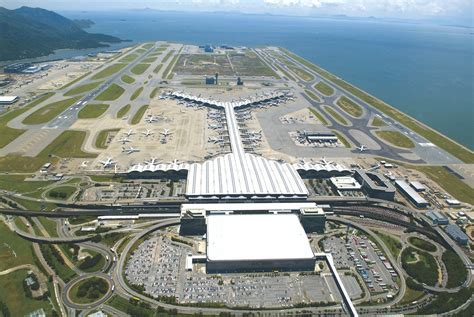
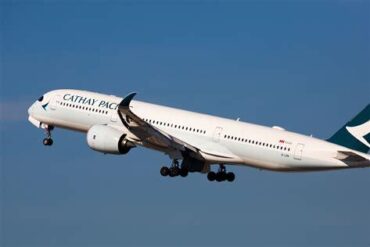
Beyond its impressive cargo statistics, HKG benefits from seamless connectivity to the city center via express rail links, efficient customs processes, and robust partnerships with global logistics players. Notably, Cathay Pacific and its subsidiary Hong Kong Express account for nearly half of the airport’s air traffic, underscoring the central role local carriers play in maintaining Hong Kong’s logistical supremacy.
The End of an Aircraft Icon
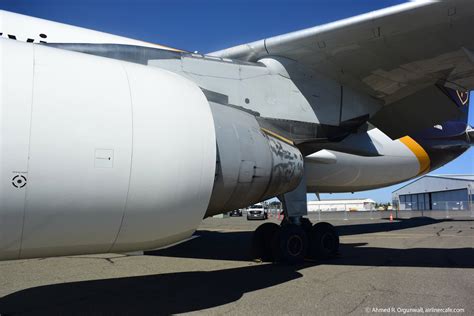
While the retirement of the Airbus A300-600F signals progress, it also marks the farewell of an aviation workhorse that has defined air cargo for generations. Introduced by Airbus nearly five decades ago, the A300 was a technological marvel for its time, setting new standards for fuel efficiency, payload capacity, and range.
Over the years, its freighter variants, particularly the A300-600F, became mainstays for express logistics companies and cargo airlines worldwide. Their widebody design, combined with economic twin-engine performance, made them ideal for short- to medium-haul freight missions—attributes that proved indispensable for Air Hong Kong’s network.
However, advances in aerospace engineering, stricter environmental standards, and rising consumer demand for faster, more reliable shipping have gradually rendered older aircraft like the A300 obsolete. The A330F family, with its enhanced payload, lower emissions, and operational flexibility, now represents the future of efficient air cargo transport.
Looking Ahead: Air Hong Kong’s Strategic Future
As Air Hong Kong fully transitions to an A330-only freighter fleet, the airline is better positioned to meet the evolving needs of global logistics. The increased cargo volume, improved fuel efficiency, and extended range offered by the A330 freighters align with the surging demand for e-commerce deliveries, medical supplies, and high-value goods that require fast, reliable transportation.
Moreover, the fleet modernization enhances Air Hong Kong’s competitiveness in the Asia-Pacific region, where air freight demand remains robust. The airline’s expanded reach into markets such as Australia and the Middle East reflects a proactive approach to capturing new growth opportunities.
The retirement of the A300-600F is a moment of reflection but also one of anticipation. Air Hong Kong, backed by the operational strength of Cathay Pacific, continues to play an instrumental role in reinforcing Hong Kong’s status as the world’s leading cargo hub—a position built on decades of innovation, strategic investment, and relentless pursuit of efficiency.
As the A300-600F exits the stage, a new chapter unfolds, defined by advanced aircraft, global connectivity, and the unyielding spirit of one of Asia’s most influential cargo airlines.