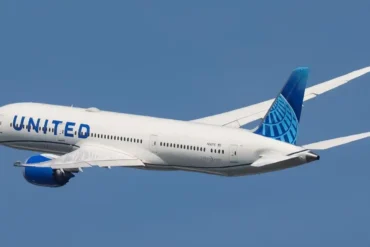
After nearly two years away from the market, United Airlines is officially bringing back its nonstop service between Denver International Airport (DEN) and Canyonlands Regional Airport (CNY) in Moab, Utah. The long-awaited return begins October 7, restoring a valuable regional connection that links one of America’s most celebrated outdoor destinations with one of the airline’s largest hubs. Although the route represents a relatively small piece of United’s extensive network, its importance extends far beyond passenger numbers, offering residents and visitors significantly improved access to southeastern Utah.
The restored route reconnects Moab with United’s powerful connecting network at Denver International Airport, allowing travelers to reach hundreds of domestic and international destinations through a single connection. For adventure seekers planning visits to Arches National Park, Canyonlands National Park, and the spectacular landscapes surrounding Moab, the renewed service provides a faster and more convenient alternative to lengthy drives from larger airports in neighboring cities.
United previously operated the Denver–Moab route from 2018 until January 2024, when the airline suspended service as it adjusted its regional network. The announcement of its return signals renewed confidence in the market and reflects the airline’s continued interest in serving strategically important regional communities, particularly those supported by strong tourism demand and hub connectivity rather than large local populations.
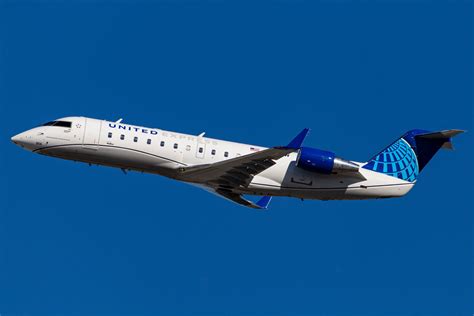
United Airlines’ Denver–Moab Route Returns on October 7
United’s updated flight schedule confirms that the Denver–Moab service resumes on October 7, initially operating with a combination of one and two daily departures before transitioning into a regular daily schedule.
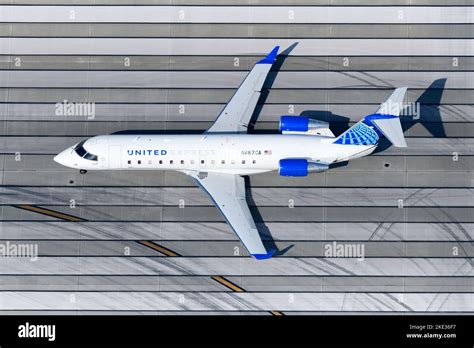
The flights will be operated by SkyWest Airlines under the United Express brand using the 50-seat Bombardier CRJ200, an aircraft commonly deployed on regional routes serving smaller communities throughout the western United States. The aircraft’s size is well suited to Moab’s passenger demand while maintaining frequent connectivity to Denver.
During the first week of operations, morning and afternoon departures will provide travelers with greater scheduling flexibility. This structure also creates convenient onward connections through Denver, minimizing layover times for passengers continuing across the United States or traveling internationally.
Denver Remains the Critical Gateway for Most Travelers
The true strength of this route lies not in demand between Denver and Moab alone, but in Denver’s position as one of United Airlines’ largest connecting hubs.
Historical transportation data demonstrates that the overwhelming majority of travelers flying this route were not ending their journey in Denver. Approximately 86% of passengers continued onward to another United flight, highlighting the route’s primary function as a feeder service connecting a rural destination with a vast global network.
That level of connectivity transforms what would otherwise be a niche regional flight into an important transportation link. Residents of southeastern Utah gain simplified access to major business centers, international destinations, and hundreds of domestic cities without the need to drive several hours to larger airports.
For visitors arriving from across North America, Europe, or Asia, the restored flights create a seamless journey into one of the country’s premier outdoor recreation regions.
Flight Schedule Balances Regional Demand and Network Connectivity
United’s initial operating schedule has been designed to maximize connection opportunities while matching expected passenger demand.
The airline will initially operate:
- Morning Denver to Moab departures five days each week.
- Daily midday Denver to Moab flights.
- Morning Moab to Denver return flights five days weekly.
- Daily afternoon departures back to Denver.
This schedule enables travelers to connect with numerous arriving and departing flights at Denver while also supporting weekend tourism traffic, which typically represents a significant share of demand for Moab-bound passengers.
Previous Passenger Numbers Tell Only Part of the Story
Before the suspension in early 2024, the route generated moderate passenger loads rather than exceptional occupancy rates.
Federal transportation statistics from 2023 show that United filled approximately 64.5% of available seats on the Denver–Moab service. While that figure remained below the average load factor achieved across many domestic airline routes, it reflected the realities of operating scheduled service into a relatively small regional market.
Evaluating the route purely through seat occupancy, however, overlooks its broader strategic value.
Regional feeder routes often exist primarily to strengthen larger hub operations rather than generate substantial local traffic. Every passenger arriving from Moab has the potential to continue onto long-haul domestic or international services, increasing utilization across United’s broader network while improving connectivity for smaller communities.
Tourism Continues to Drive Strong Demand for Moab
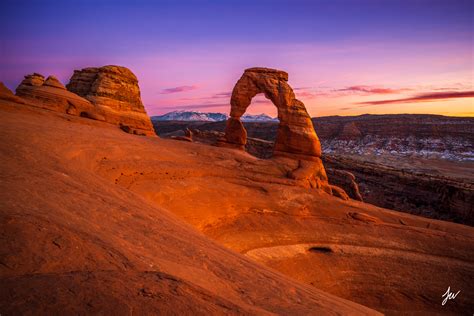
Moab has become one of the fastest-growing outdoor tourism destinations in the American Southwest. Its dramatic red rock landscapes attract millions of visitors annually seeking hiking, mountain biking, off-road adventures, river rafting, and scenic photography.
The city serves as the primary gateway to both Arches National Park and Canyonlands National Park, two of Utah’s most iconic national parks. Visitors also explore nearby state parks, backcountry trails, and countless scenic overlooks spread throughout the Colorado Plateau.
Restoring nonstop air service simplifies travel planning considerably. Instead of driving several hours from airports in Salt Lake City, Grand Junction, or other regional gateways, travelers can now reach Moab with a convenient connection through Denver, reducing total journey times and increasing overall accessibility.
Questions Remain About Regional Competition
Although United’s return has been officially confirmed, one question remains unanswered: how the restored service will affect existing regional operators.
The latest published schedules do not clarify whether United’s flights will replace or compete alongside services currently provided by other airlines serving the market. Likewise, there has been no indication that the route is operating under the federal Essential Air Service (EAS) subsidy program, which helps maintain commercial flights to smaller American communities.
Regardless of the operational structure, United’s return immediately expands travel options while increasing overall connectivity for southeastern Utah.
United Strengthens Regional Connectivity Once Again
The reinstatement of United Airlines’ Denver–Moab service represents more than the return of a single regional route. It reinforces the airline’s commitment to connecting smaller communities with one of the nation’s most comprehensive aviation networks while supporting one of America’s premier outdoor tourism destinations.
Success will ultimately depend on sustained leisure demand, seasonal visitor traffic, and continued strength at United’s Denver hub. Even so, the restored flights immediately deliver meaningful benefits for both local residents and travelers, providing easier access to Moab’s extraordinary landscapes and creating seamless connections to hundreds of destinations across the United States and around the world.