
The latest drone technologies are transforming industries in 2025, shaping the way organizations approach aerial surveillance, logistics, agriculture, defense, construction, and public safety. What started as experimental unmanned aerial vehicles (UAVs) over a century ago has now evolved into a sophisticated ecosystem of autonomous, AI-driven, high-endurance flying platforms. These machines are no longer just tools for photography or surveillance—they are critical enablers of efficiency, safety, and innovation.
Today, we explore the five most advanced drone technologies that are reshaping operations worldwide, offering extended capabilities, smarter navigation, faster communication, and collaborative swarm features.
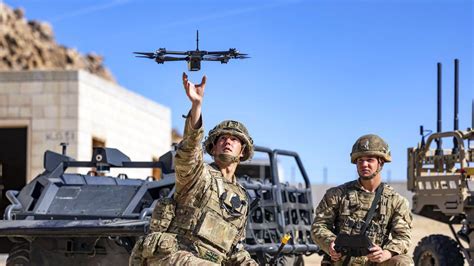
AI Integration and Autonomous Operations
One of the most significant breakthroughs in the latest drone technologies is AI integration, enabling drones to perform fully autonomous operations. Equipped with advanced neural networks and machine learning algorithms, modern UAVs can detect obstacles, predict environmental changes, recognize objects, and make real-time flight decisions without human intervention. This shift reduces human error while dramatically improving mission accuracy.
AI-powered drones can conduct real-time data analysis mid-flight, optimizing routes, adapting to unexpected weather, and dynamically coordinating with other drones. For industries such as agriculture, defense, and emergency response, AI autonomy is a game-changer.
Use Cases:
- Agriculture: Autonomous swarm drones perform coordinated seeding, detect crop diseases, and spray fertilizers with pinpoint precision.
- Disaster Response: AI drones analyze wildfire behavior, identify containment routes, and guide firefighting efforts.
- Defense: Military UAVs powered by AI conduct intelligence, surveillance, and reconnaissance (ISR) missions with minimal human oversight.
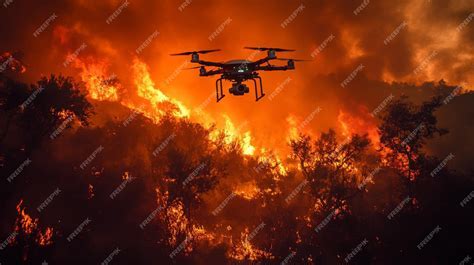
Improved Sensors and Advanced Cameras
The second major advancement in drone technology is the integration of cutting-edge sensors and cameras. High-resolution RGB, thermal, LiDAR, multispectral, and hyperspectral cameras allow drones to see far beyond the human eye. These capabilities are crucial in industries that rely on precision imaging, mapping, and inspection.
Modern UAVs can detect structural weaknesses in buildings, measure crop health, or capture cinematic aerial footage with stunning clarity. Sensors like ultrasonic detectors, barometric altimeters, and inertial measurement units (IMUs) further enhance flight safety and environmental awareness.
Use Cases:
- Construction: Drones with LiDAR map high-rise structures and detect micro-damages in steel frameworks.
- Oil & Gas: Thermal imaging drones identify pipeline leaks without deploying hazardous ground teams.
- Film Industry: 8K drones replace expensive helicopter shots, offering cinematic-quality footage at a fraction of the cost.
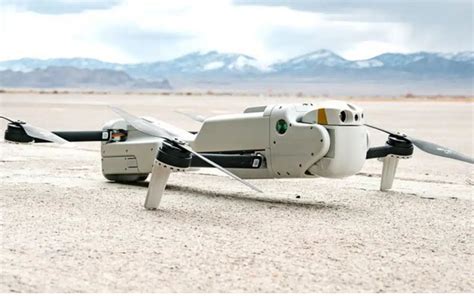
Extended Battery Life and Endurance
Battery life has always been a limiting factor for drones, but 2025 has seen breakthroughs in lithium-sulfur and hydrogen fuel cell technologies, extending flight durations from 30 minutes to over 4 hours in some commercial models. Longer endurance allows UAVs to cover wider areas, complete complex missions, and reduce downtime for recharging.
For sectors like agriculture and logistics, extended battery life means fewer interruptions, higher productivity, and improved operational efficiency. Drone delivery services especially benefit from this innovation, as long-haul UAVs can now transport packages across cities or even between islands without mid-route charging.
Use Cases:
- Agricultural Mapping: One extended-flight drone can survey hundreds of acres in a single mission.
- E-commerce: Retail giants deploy long-endurance UAVs for last-mile deliveries, covering distances previously unfeasible.
- Maritime Patrol: Coast guard drones with high-capacity batteries conduct long surveillance missions over territorial waters.
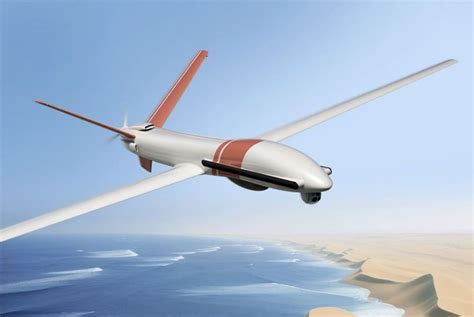
UAVs with 5G Connectivity
The rollout of 5G networks has supercharged drone operations by enabling ultra-low latency, high-bandwidth communication. Drones equipped with 5G connectivity transmit live video feeds in real time, enhancing situational awareness for operators and enabling remote piloting across long distances.
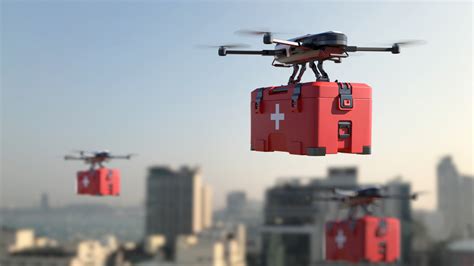
With network slicing and secure communication protocols, 5G UAVs play a critical role in telemedicine, emergency response, and logistics. In the medical field, for example, drones are delivering vaccines, blood samples, and surgical tools under strict timeframes, supported by stable high-speed connections.
Use Cases:
- Medical Logistics: Hospitals deploy 5G drones for rapid transport of life-saving medical supplies.
- Search & Rescue: Teams receive live 4K thermal imaging during disaster operations.
- Defense: Military drones with 5G maintain real-time command-and-control (C2) links, even in contested environments.
Swarm Drone Technology
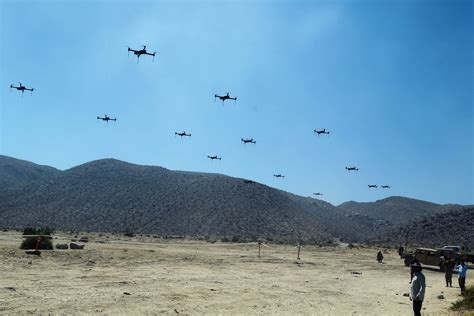
Perhaps the most revolutionary breakthrough in UAVs is swarm technology. Inspired by the collective intelligence of bird flocks and insect colonies, swarm drones coordinate in real time, distributing tasks across dozens—or even hundreds—of drones. Each unit relies on local communication and AI algorithms, eliminating the need for centralized commands.
Swarm technology offers unmatched scalability, redundancy, and speed. A single operator can command an entire fleet, each unit adapting to local conditions while contributing to the collective mission.
Use Cases:
- Agriculture: Swarms conduct coordinated seeding, spraying, and yield monitoring over massive farmlands.
- Defense & Security: Military swarms execute saturation attacks, ISR missions, and electronic warfare, overwhelming traditional defenses.
- Wildfire Management: Swarms quickly map fire spread, drop retardants, and identify escape routes for firefighters.
Data Table: Key Advancements in Drone Technology (2025)
| Drone Technology | Key Features | Primary Applications | 2025 Example Use Case |
|---|---|---|---|
| AI Integration | Autonomous navigation, predictive modeling | Agriculture, Defense, Disaster Response | Wildfire prediction & containment mapping |
| Advanced Sensors | LiDAR, thermal, hyperspectral imaging | Construction, Oil & Gas, Film Industry | Pipeline leak detection via thermal imaging |
| Extended Battery Life | Lithium-sulfur, hydrogen fuel cell power | Agriculture, Logistics, Maritime Patrol | Long-range e-commerce package delivery |
| 5G Connectivity | Low-latency, high-bandwidth transmission | Medical, Rescue, Defense | Emergency vaccine delivery in urban centers |
| Swarm Technology | Collective AI, distributed task execution | Agriculture, Security, Firefighting | Coordinated drone firefighting missions |
Conclusion
The latest drone technologies in 2025 are redefining how industries operate. From AI-powered autonomy to swarm coordination and 5G-driven missions, drones are no longer mere tools but critical infrastructure assets. Organizations that adopt these advancements gain competitive advantages in efficiency, safety, and innovation.
As drones evolve further with quantum computing, hybrid propulsion systems, and advanced regulatory integration, the coming years will mark an even greater transformation. Keeping pace with these technological shifts is essential for industries that depend on precision, speed, and connectivity.
FAQs
What are the future trends in drone technology beyond 2025?
Future trends include quantum communication-enabled UAVs, AI swarm intelligence, hybrid propulsion drones, and space-capable UAVs designed for near-orbital missions. These advancements will expand drone applications into space research, intercontinental logistics, and advanced defense systems.
What are hybrid drones, and why are they important?
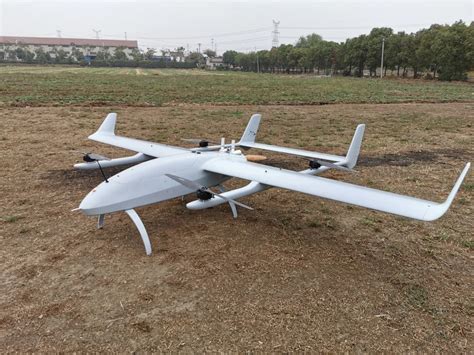
Hybrid drones combine fixed-wing efficiency with rotary-wing maneuverability, enabling vertical takeoff and landing (VTOL) while maintaining long-range flight. This makes them ideal for surveying, mapping, and long-distance delivery, especially in areas without runways.
Which industries benefit the most from the latest drone technologies?
Industries seeing the greatest impact include agriculture (precision farming), logistics (last-mile delivery), defense (ISR missions), public safety (search and rescue), construction (infrastructure inspections), and healthcare (medical supply delivery).