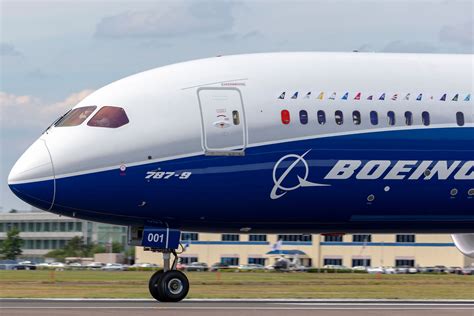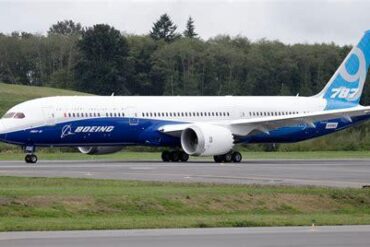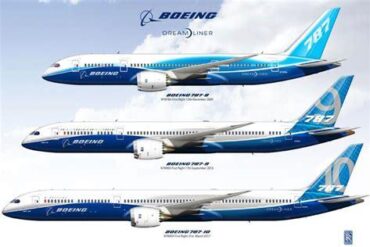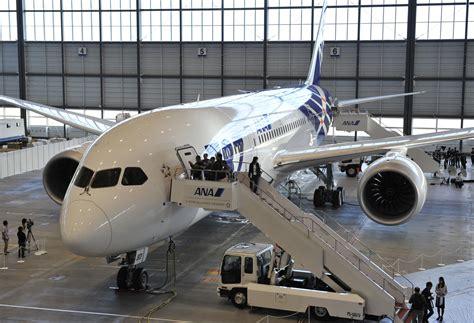
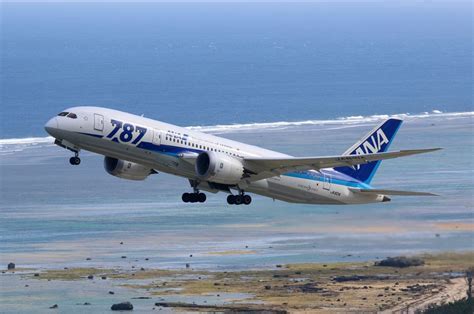
The Boeing 787 Dreamliner redefined commercial aviation from the moment it took flight. More than just another jet, it represents a fusion of cutting-edge technology, advanced materials, and an obsessive commitment to passenger comfort and airline efficiency. The Dreamliner is not just another aircraft — it’s a leap into the future of air travel.
Revolutionary Composite Structure: The Plastic Powerhouse
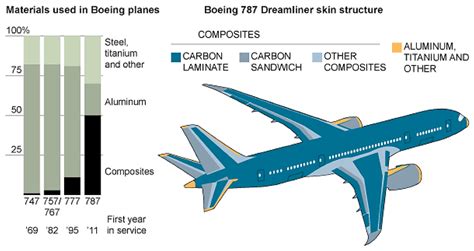
What immediately sets the 787 Dreamliner apart from its predecessors is its unprecedented use of composite materials. Unlike traditional aircraft that are primarily constructed from aluminum, the Dreamliner is made up of approximately 50% carbon fiber-reinforced polymers. These advanced composites are both lighter and stronger, granting the aircraft significant weight savings without sacrificing structural integrity.
These materials are not only used in non-critical areas but form the core of the fuselage and wings, something never done before on a commercial aircraft at this scale. The result is a lighter frame that contributes to enhanced fuel efficiency, increased range, and reduced maintenance requirements. These benefits also open up new route possibilities for airlines, including long-haul, point-to-point destinations that previously weren’t feasible due to economic or mechanical limitations.
Cabin Comfort Reimagined: Altitude and Humidity Breakthroughs
Inside the Dreamliner, the improvements are immediately felt. Thanks to the composite structure’s superior resistance to corrosion and fatigue, Boeing was able to increase cabin pressure to simulate an altitude of 6,000 feet, a significant drop from the 8,000 feet standard in conventional aircraft. This change reduces passenger fatigue, dehydration, and headaches, especially during long-haul flights.
Additionally, the cabin boasts higher humidity levels, enabled by the non-metallic fuselage that doesn’t corrode under moist conditions. This extra moisture in the air combats the dryness most passengers associate with flying, especially on intercontinental trips. The atmosphere feels more natural, less oppressive, and markedly more pleasant over extended periods in the sky.
Spacious Interiors: A Sense of Volume, Not Just Distance
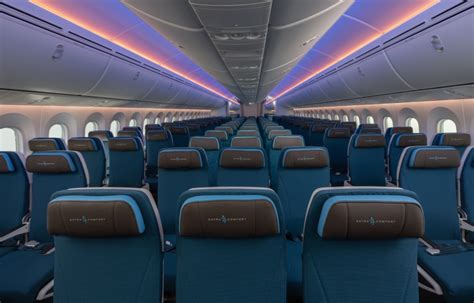
The Dreamliner transforms the traditional perception of cramped airplane cabins. Step aboard and you’re immediately struck by sweeping, arched entryways, taller ceilings, and wider aisles that create a dramatically more open feel. The careful architectural design makes the space feel less like a pressurized tube and more like a tranquil, flowing environment.
Boeing’s Chief Pilot Randy Neville captured this sentiment succinctly when he said, “You’re not being squeezed into a tube.” With overhead bins redesigned for better storage and optimized placement, travelers gain more personal space, both seated and when moving around the cabin. These spatial enhancements contribute to a more relaxed flying experience.
Unmatched Fuel Efficiency: A Win for Airlines and the Planet
Perhaps the most business-critical feature of the Dreamliner is its remarkable fuel efficiency. Boeing reports that the aircraft consumes 20% less fuel than similarly-sized aircraft. That’s a dramatic gain in an industry where even a 2–3% improvement can spell the difference between profit and loss on specific routes.
This fuel efficiency stems not just from its lighter composite frame, but also from its advanced engines, the Rolls-Royce Trent 1000 and General Electric GEnx, both of which are quieter, cleaner, and more efficient than earlier generations. These efficiencies allow the 787 to operate on longer non-stop routes, including previously unserved point-to-point routes, such as Tokyo to Boston or Nairobi to New York.
Airlines benefit from lower operational costs, while passengers enjoy fewer layovers and shorter total travel times. This strategic advantage also contributes to lower carbon emissions, aligning with global goals for more sustainable aviation.
Intuitive, Pilot-Centric Cockpit: Where Technology Meets Ergonomics
The Dreamliner’s innovations extend well beyond passenger spaces. In the cockpit, Boeing has crafted an environment that prioritizes pilot intuition, visibility, and control. The flight deck features large multifunction displays, touchscreen capabilities, and, most importantly, a Head-Up Display (HUD) system that overlays critical flight information directly on a transparent screen in the pilot’s line of sight.
This allows pilots to monitor flight parameters without having to glance down at instruments, enhancing safety during takeoff, landing, and adverse conditions. Controls and displays have been restructured for ergonomic clarity, and software systems are designed to reduce pilot workload while maximizing situational awareness. The result is an interface that is both sophisticated and instinctively navigable.
Larger Windows with Smart Dimming: A View to the World
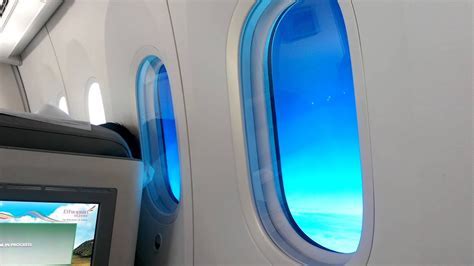
One of the Dreamliner’s most loved and instantly noticeable features is its oversized windows. Measuring 19 inches tall, they are 30% larger than those on comparable aircraft. These expansive views reconnect passengers with the flying experience — from takeoff to cruising altitude and descent, there’s always something to look at.
Instead of traditional pull-down shades, each window is equipped with electrochromic dimming technology. Passengers can adjust the transparency of their window via a button, choosing from a range of shades from clear to nearly opaque. Cabin crew can also control the windows centrally, ensuring the cabin remains dark for sleeping or illuminated for meals, without the harsh interruptions from errant sunlight.
Fleet Uniformity: Strategic Simplicity for Global Operations
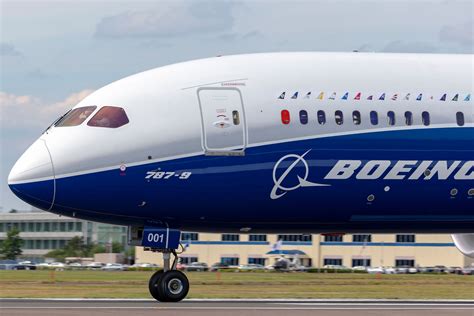
While many aircraft are customized to reflect the identity and branding of their operating airlines, Boeing intentionally limited customization options for the Dreamliner. This may seem counterintuitive, but it’s a calculated move designed to appeal to leasing companies and financial institutions who dominate the purchase and redistribution of aircraft.
A uniform fleet means that Dreamliners can be transferred between airlines with minimal adjustments, reducing downtime and increasing operational flexibility. Maintenance crews benefit from standardized components and procedures, and pilots can be trained across the fleet with greater ease. This makes the 787 not only a dream for passengers, but also for investors and fleet managers looking for long-term, scalable value.
A Visionary Aircraft That Redefines Long-Haul Travel
The Boeing 787 Dreamliner was not designed to be a marginal upgrade. It was built to fundamentally transform air travel, and in that, it has succeeded. From material science to aerodynamic breakthroughs, from pilot-friendly innovations to passenger-centric comfort, every aspect of the aircraft showcases deliberate engineering mastery.
It has not only become a staple of long-haul fleets worldwide but also a symbol of modern aviation excellence. Airlines leverage it to offer faster, more efficient, and more comfortable routes, while travelers benefit from reduced fatigue and elevated inflight experiences. The 787 doesn’t just fly you to a destination — it does so with elegance, precision, and foresight. That is what makes it truly special.