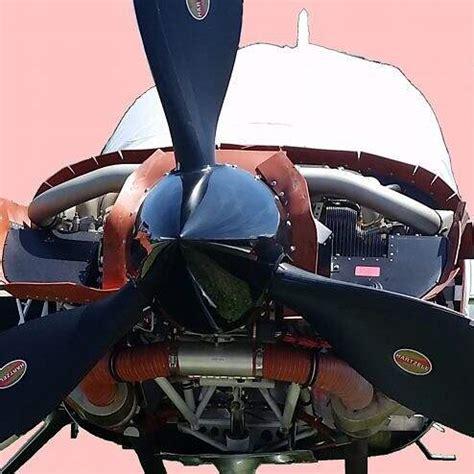
In the aviation industry, ensuring the longevity and performance of an aircraft is paramount. One often overlooked yet critical factor that can significantly impact the lifespan of an aircraft’s engine is preheating. Preheating an aircraft engine before flight is essential, especially in cold weather conditions, where engine components face the risk of damage due to temperature-induced stresses. Here, we will explore the key reasons why preheating your aircraft engine is not just a precaution, but a necessity for optimal engine performance and safety.
Prevent Premature Engine Wear and Tear
Aircraft engines consist of various materials such as steel and aluminum, which have different expansion rates when subjected to cold temperatures. These materials expand and contract at different rates, creating a situation where engine clearances shrink too tightly during cold starts. If internal components, such as pistons, crankshafts, and cylinders, don’t reach a uniform temperature, the risk of grinding and excessive friction between these parts increases dramatically. Over time, this leads to significant wear and tear, reducing the engine’s operational life. By preheating your engine, you allow the parts to expand evenly and function together smoothly, thereby minimizing friction and extending the overall lifespan of your engine.
Smoother Starts and Reduced Risk of Frosting
A properly preheated engine is significantly easier to start. When an engine is cold, the oil inside it becomes thicker and more viscous, leading to difficulty in turning over the engine. This not only puts a strain on the battery and starter motor but can also lead to further issues if the engine fails to start on the first attempt. When an engine starts in cold conditions, moisture is often created as part of the combustion process, which can cause frosting on the spark plugs. Preheating helps reduce this risk, as it ensures the engine’s temperature is warm enough to avoid excessive condensation. In addition, smoother starts can help preserve the longevity of both the starter motor and the battery.
Reduce Run-up Time and Save Resources
Another advantage of preheating your aircraft engine is the reduction in run-up time before takeoff. When an engine is preheated, the internal components are already warmed and lubricated, meaning that the time spent on the ground performing a run-up is minimized. This is particularly advantageous in situations where time is of the essence or when operating in cold climates where fuel consumption is a concern. Less run-up time means less fuel consumed, resulting in lower operational costs and quicker departures.
Ensure Proper Oil Flow
In cold temperatures, oil becomes thicker and more sluggish, impeding its flow to essential engine components. Even multi-viscosity oils, which are designed to perform well in various temperatures, can suffer from increased viscosity when exposed to extreme cold. Proper preheating ensures that the oil reaches its optimal temperature and can flow freely throughout the engine. This is critical, as oil is responsible for lubricating and protecting engine parts, reducing the risk of friction and damage during operation. With proper preheating, the oil can circulate effectively, ensuring all components receive adequate lubrication.
Increase Safety and Reliability
The safety of an aircraft is of paramount importance, particularly during the critical takeoff phase. A cold engine may start, but its performance during takeoff could be compromised. Cold starts increase the likelihood of engine failure shortly after takeoff, as the engine has not reached its optimal operating temperature. Preheating ensures that the engine is ready for a safe, reliable takeoff, significantly reducing the risk of engine malfunction during this critical phase. When it comes to flying in cold weather, ensuring the engine’s readiness through preheating is a vital safety measure.
How Cold Does It Need to Be to Preheat Your Aircraft Engine?
While every aircraft and engine manufacturer may have their own specific guidelines, the general recommendation is to preheat your engine when temperatures drop to freezing (32°F/0°C) or lower. However, it is important to note that preheating can be beneficial at any temperature, even if it is above freezing. Preheating not only prevents cold-weather damage but also ensures the engine operates at its peak performance, regardless of the ambient temperature. By following manufacturer recommendations and considering weather conditions, pilots can make informed decisions on when to preheat their aircraft.
Choosing the Right Aircraft Preheating System
Not all preheating systems are created equal, and choosing the right one is crucial for ensuring optimal engine performance. In colder climates, many fixed-base operators (FBOs) utilize forced-air heating systems to warm up the engine. While these systems can help heat the aircraft cabin, they often fail to evenly warm the engine, leading to potential hot spots or uneven temperatures within the engine’s components. For a more effective and consistent solution, pilots should consider installing a dedicated electric preheating system.
One of the best options available is the multi-point preheating system. Unlike forced-air systems, which may only target certain engine components, a multi-point system ensures that all parts of the engine, including the crankshaft and internal cylinders, are uniformly heated. Companies like Tanis Aircraft Products specialize in multi-point preheating systems that can heat an engine from the inside out, reaching optimal temperatures much faster than traditional forced-air methods. Tanis systems are also designed for continuous use, allowing them to be safely left on for extended periods without overheating or causing damage.
Another option is the Reiff Preheat System, which provides modular heating solutions for aircraft engines. Using a combination of heated coils and aluminum pads, Reiff systems target specific engine parts like the cylinders and oil sumps, ensuring they receive the necessary warmth to operate safely. These systems are typically easy to install and maintain, making them an excellent choice for pilots seeking an efficient and low-maintenance preheating solution.
Conclusion: The Importance of Engine Preheating in Cold Weather Operations
Flying in cold weather presents a unique set of challenges for pilots, but with the right preheating system, these challenges can be minimized or entirely avoided. Preheating your aircraft engine not only protects it from premature wear and tear but also ensures smoother starts, better oil flow, and increased safety during takeoff. With a variety of preheating systems available, pilots can select the one that best suits their operational needs, whether it’s a multi-point electric system or a modular heating solution.
By investing in preheating equipment and taking the time to properly prepare the engine before flight, pilots can ensure the safety, reliability, and longevity of their aircraft, making cold-weather flying a much more comfortable and secure experience.