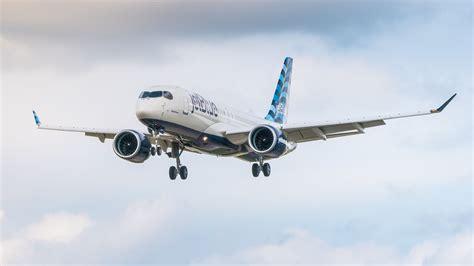
The skies over Paris are buzzing with high-stakes anticipation as AirAsia, the budget airline powerhouse from Malaysia, gears up to unveil a game-changing order of 100 regional jets. As the Paris Air Show looms, the carrier is still weighing its options between two formidable contenders: the Airbus A220 and Embraer’s E2 series. This titanic commercial duel is more than a battle of aircraft specs—it’s a strategic pivot in Asia’s aviation dynamics, one that could reshape market shares, production pipelines, and regional connectivity.
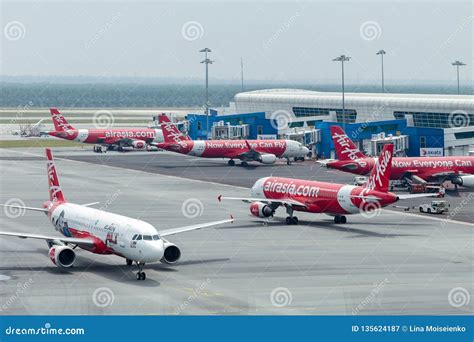
After emerging from the turbulence of the Covid-19 pandemic, AirAsia is undergoing a bold transformation. Spearheaded by Tony Fernandes, the charismatic 61-year-old business mogul, the airline is looking to revive regional networks, expand profitability, and reinforce its status as Southeast Asia’s dominant low-cost carrier. Fernandes is set to personally attend the Paris Air Show, underscoring the importance of this fleet decision.
The Comeback Strategy: AirAsia’s Post-Pandemic Vision
AirAsia’s planned order marks a pivotal step in the airline’s broader restructuring and resurgence strategy. Having slashed routes and grounded planes during the global travel shutdown, the airline now seeks to reclaim market presence—not just on major city pairs but across smaller, underserved markets. The regional jet segment is key to this strategy, and both Airbus and Embraer are making aggressive final pitches, with financing terms at the heart of negotiations.
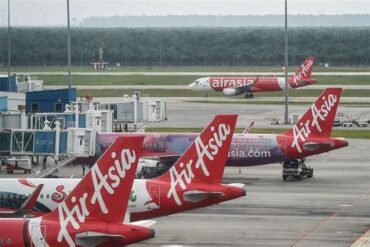
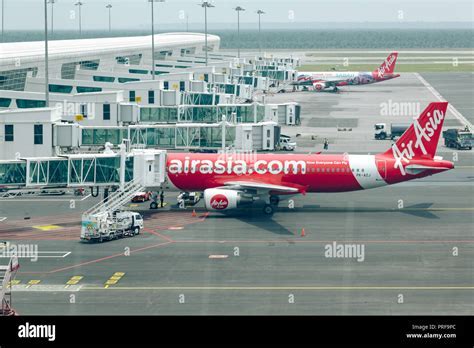
While neither manufacturer has publicly commented, industry insiders suggest Airbus currently holds the advantage due to longstanding ties with AirAsia. The airline’s entire fleet of 240 aircraft consists of Airbus models, predominantly the A320 family. Moreover, AirAsia has over 350 Airbus jets on order, making Airbus not just a supplier, but a deeply embedded partner.

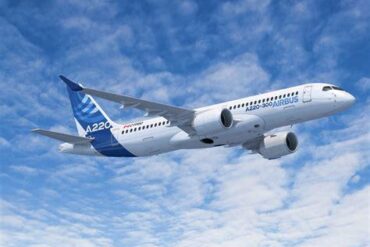
Airbus A220: The Underdog in Its Own House
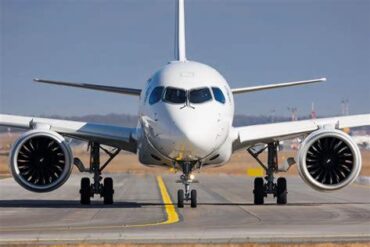
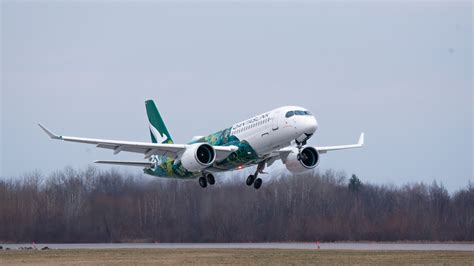
Despite being a part of the Airbus family, the A220 program has often struggled to step out from the shadow of its bigger sibling, the A320neo. Originally developed by Bombardier and acquired by Airbus in 2018, the A220 is lauded for fuel efficiency, lower emissions, and superior passenger comfort, particularly on routes of up to 3,400 nautical miles. Yet, the aircraft’s journey has been hampered by supply chain snags and lukewarm sales traction.
To date, the A220 has accumulated just 486 orders, a modest figure compared to the A320’s 7,000+ backlog. Even more telling is the fact that no A220 orders have been placed in 2025, and only 17 gross orders were recorded last year. A major order from AirAsia would provide a vital injection of momentum for Airbus’s smallest commercial aircraft and validate its relevance in the low-cost regional market.
Production capacity, however, remains a bottleneck. The A220 is assembled in Mirabel, Canada, and Mobile, Alabama, with current throughput insufficient to meet a surge in demand unless expansion occurs. Airbus has been hesitant to aggressively ramp up output without concrete commitments—making this potential 100-jet deal all the more critical.
Embraer E2: Brazil’s Challenger Eyes Asian Breakthrough
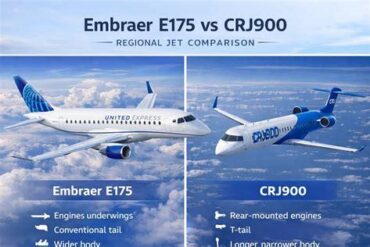
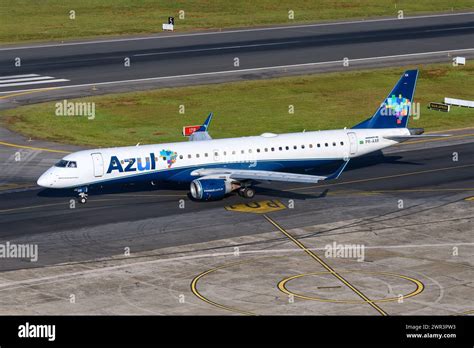
Standing in Airbus’s way is Embraer, the Brazilian aerospace contender that’s staking its claim in Asia with ambitious regional jet offerings. The E2 family—comprising the E175-E2, E190-E2, and E195-E2—is designed to compete head-on with the A220. These jets feature state-of-the-art Pratt & Whitney GTF engines, redesigned wings, and fly-by-wire systems that make them not just efficient, but significantly quieter and cleaner than older generation aircraft.
Embraer currently boasts 334 firm orders for its E2 line, with approximately 175 deliveries pending. Key contracts with carriers such as Scoot (Singapore Airlines’ low-cost arm), Virgin Australia, and Japan’s ANA have enhanced its credentials in Asia-Pacific, but a win with AirAsia would be a transformative endorsement.
One major advantage for Embraer lies in delivery timelines. While Airbus is entangled in global backlog constraints, Embraer has touted its ability to deliver aircraft on an expedited schedule, a crucial edge as AirAsia seeks to rapidly deploy new capacity across the region. The E2’s smaller footprint and optimized economics on thinner routes could make it the more practical short-term solution.
Financing and Fleet Economics: The Decisive Factor
While aircraft performance and availability matter, financial structuring could ultimately tip the scale. According to insiders, AirAsia is pushing for attractive lease rates, deferred payment terms, and guaranteed support packages. With the airline still in recovery mode financially, the ability to secure cost-effective capital for this multi-billion-dollar deal is paramount.
Airbus, with its robust vendor finance arm, may be able to offer more structured leasing options, leveraging relationships with financiers. However, Embraer has shown flexibility in the past, including customized contracts tailored for low-cost carriers. Whichever manufacturer demonstrates greater agility in crafting a deal that aligns with AirAsia’s fiscal roadmap will likely emerge victorious.
Market Implications: A Strategic Ripple Across the Region
A 100-jet order from AirAsia is more than just an airline expanding its fleet. It’s a signal to the aviation ecosystem across Southeast Asia. If the deal goes Airbus’s way, it would cement the A220’s position as a versatile workhorse and give it a solid springboard into further Asian sales. For Embraer, success would not only shatter Airbus’s monopoly with AirAsia but also bolster its efforts to penetrate markets historically dominated by larger OEMs.
The decision could also have a catalytic effect on regional airports, aircraft maintenance hubs, pilot training infrastructure, and route planning dynamics. Regional connectivity—especially between secondary and tertiary cities—will be significantly boosted, empowering economic growth and tourism in emerging locales.
Looking Ahead: The Verdict Awaits
As Tony Fernandes prepares for his high-profile appearance in Paris, the industry watches with bated breath. The final announcement, expected during the air show, will not just be a milestone for AirAsia, but a watershed moment for regional aviation strategy.
If Airbus wins, it revitalizes a lagging A220 program with a high-volume, headline-grabbing endorsement. If Embraer clinches the deal, it gains powerful validation as a major-league competitor in the Asia-Pacific arena. Either way, AirAsia’s decision will resonate far beyond the runway, shaping alliances, influencing market forecasts, and redefining the next era of regional air travel in Asia.
What’s at stake is more than metal and engines—it’s about mobility, market influence, and momentum. In this jet-powered chess match, every move counts.