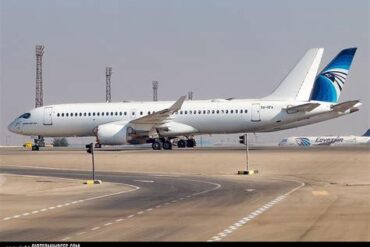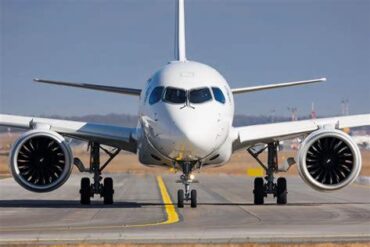
Airbus has officially commenced certification of a new 160-seat variant of its A220 aircraft, signaling a strategic push to meet rising airline demand for higher-capacity narrowbody jets. This critical program milestone, unveiled during a detailed technical briefing at the company’s headquarters in Toulouse on June 11, 2025, marks a bold expansion of the A220 family and underscores Airbus’s ambition to strengthen its footprint in the lucrative single-aisle market.
The move, driven by strong operator interest, reflects growing airline appetite for aircraft that balance fuel efficiency, modern design, and higher passenger capacities. With Air Canada stepping forward as the launch customer for this upgraded configuration, Airbus is preparing to challenge capacity thresholds while preserving the A220’s core advantages of low operating costs and superior passenger experience.
Responding to Market Demands: A Strategic Step for the A220 Program
The concept of a 160-seat configuration for the A220 has long existed in the background, tracing its roots back to the Bombardier CSeries era. Originally designed to accommodate this higher-density setup, the aircraft’s structural potential has remained underutilized due to certification constraints. Now, Airbus is dusting off and updating that legacy, seeking full regulatory approval for the more expansive seating layout.
Jean-Francois Parent, chief engineer of the A220 program, emphasized during the technical presentation that airlines have been vocal in their requests for enhanced seat-count capabilities. The current regulatory ceiling, set by the European Union Aviation Safety Agency (EASA), limits the A220-300 to 149 passengers unless specific criteria are met.
This certification project represents a decisive move by Airbus to respond to airline feedback while aligning with operational requirements. Airlines today increasingly seek aircraft that offer flexibility in fleet planning, allowing them to upgauge routes without switching to a larger platform. The 160-seat A220 variant is designed precisely to serve that niche, preserving the aircraft’s regional jet efficiencies while enabling mainline-like capacity.
Regulatory and Structural Upgrades for 160-Seat Certification
Currently, the A220-300 is restricted in passenger count due to limitations involving emergency evacuation protocols. EASA’s safety framework mandates that aircraft carrying more than 149 passengers must demonstrate compliance with stringent evacuation requirements.
To meet these, Airbus plans to implement a second overwing exit, a modification that aligns with Bombardier’s earlier proposals but will now be realized with updated engineering. The additional exit will meet the Type III dual-lane performance standards, essential for ensuring rapid and safe evacuation under high-density scenarios.
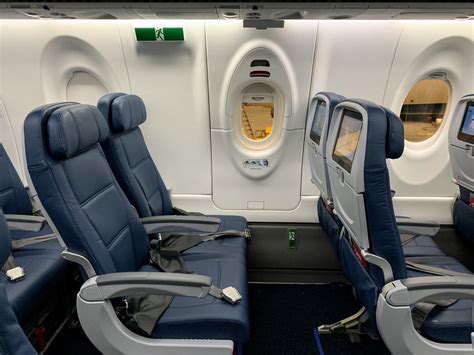
This change is not minor. It demands a significant redesign of the aircraft’s fuselage segment, intricate rerouting of internal systems, and rigorous flight and ground testing. The certification process must prove that the revised configuration maintains structural integrity, safety, and comfort. Airbus is expected to conduct extensive simulations and live demonstrations before gaining regulatory clearance, with testing intensifying throughout 2025.
Enhanced Propulsion and Engine Performance Gains
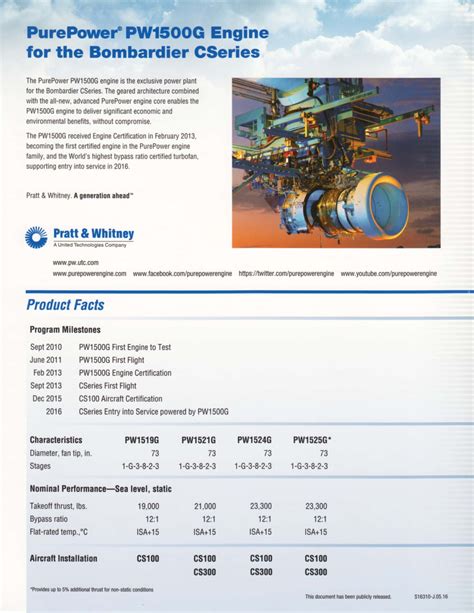
Another noteworthy development tied to the certification process involves the Pratt & Whitney PW1500G engine, which powers all A220 variants. According to Parent, the engine has demonstrated remarkable improvements in time-on-wing performance, with 90% of previously identified removal drivers now resolved.
This enhancement has translated into more consistent reliability metrics, lower maintenance costs, and improved operational availability for airlines. In parallel, Airbus engineers are introducing climb derate functionality—a software upgrade that allows for reduced engine workload during climb-out while preserving full performance.
These tweaks not only improve fuel efficiency and engine longevity but also give airlines more operational flexibility. For example, during hot-and-high operations or short runways, the engine’s advanced logic can tailor thrust demands precisely, reducing unnecessary wear.
Integrating Advanced Systems from Larger Airbus Jets
Airbus is also transferring mature technologies from its broader aircraft family into the A220. One prominent example is the dual motoring to start system, a fully automated method of starting both engines more efficiently at gate positions.
Borrowed from the A320 and A350 programs, this system enhances turnaround time by enabling simultaneous engine starts, reducing ground delays and minimizing reliance on external ground support. It’s particularly valuable for carriers operating in tight schedule windows or during high-frequency shuttle operations.
Integrating this feature requires updates to both the aircraft’s avionics and the full-authority digital engine control (FADEC) systems. While seemingly small, this level of integration reflects Airbus’s broader aim to standardize operational sophistication across its fleet, allowing pilots and maintenance teams to benefit from familiar and streamlined systems.
Air Canada: Strategic Launch Customer for the New Variant
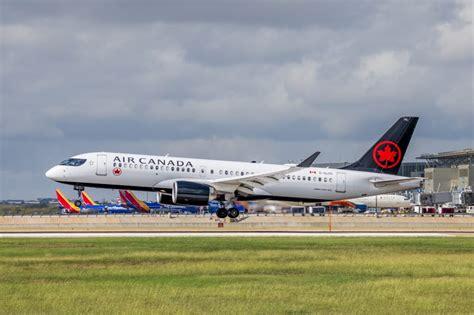
Air Canada’s role as the launch customer for the 160-seat A220 variant is no coincidence. The airline has long championed the aircraft’s performance, using its existing A220-300 fleet across a mix of domestic and transborder routes. With its focus on fleet modernization and passenger comfort, Air Canada is well-positioned to operationalize the expanded-capacity A220.
The airline’s early adoption of this new variant will provide Airbus with invaluable in-service feedback, helping to validate cabin layouts, boarding times, and passenger comfort in real-world conditions. Additionally, the certification program will benefit from Air Canada’s high-usage operational model, which stresses aircraft systems under diverse climate and mission profiles.
Cabin and Interior Innovations: More Than Just Extra Seats
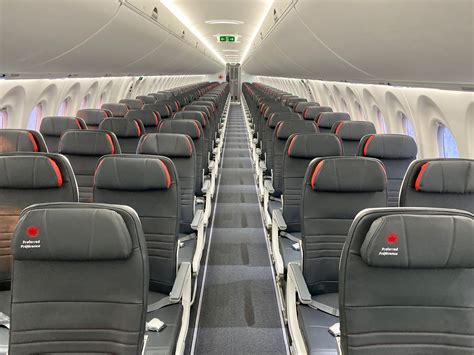
Beyond simply adding more seats, Airbus is using this opportunity to reimagine the A220’s cabin experience. Starting in 2026, aircraft featuring the 160-seat layout will also introduce redesigned interiors that prioritize both density and comfort.
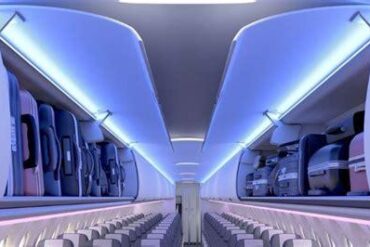
Passengers can expect larger overhead storage bins, optimized LED lighting, and reconfigured lavatory placements to enhance flow and reduce bottlenecks during boarding and deplaning. These cabin upgrades are not just cosmetic; they directly address feedback from airlines and passengers alike regarding convenience, baggage access, and overall travel experience.
Airbus has also promised refinements in seat ergonomics and pitch optimization, ensuring that even in a denser layout, passenger comfort doesn’t suffer. This careful balance of capacity and experience is key to the aircraft’s commercial viability, particularly on routes where business and leisure travelers coexist.
Runway Safety Technology Enters the Fold
As part of the 2026 enhancement package, Airbus will also introduce a Runway Overrun Awareness and Alerting System (ROAAS) for the A220. This proactive safety feature provides pilots with predictive alerts if landing parameters suggest a potential runway excursion.
Such technology has become increasingly vital as aircraft operate in variable weather and terrain conditions. ROAAS utilizes real-time data from the aircraft’s sensors and flight management systems to calculate safe braking distances and advise crews accordingly. Integrating this into the A220 solidifies its reputation as one of the most technologically advanced narrowbody aircraft on the market.
Looking Ahead: The 160-Seat A220 in Global Aviation Strategy
The introduction of the 160-seat A220 variant is not just a configuration update—it’s a signal of Airbus’s evolving market strategy. By expanding the A220’s capabilities, Airbus is effectively bridging the gap between regional and mainline aircraft, giving airlines more choices in fleet harmonization.
The move places additional pressure on rival aircraft like Embraer’s E195-E2 and even challenges smaller configurations of Boeing’s 737 MAX series. With superior fuel efficiency, modern cabin design, and a growing track record of reliability, the A220 in its enhanced form becomes a powerful tool for carriers operating in competitive short-haul and medium-haul markets.
As certification work progresses through 2025 and into early 2026, Airbus will likely expand its marketing efforts for the variant, targeting both existing A220 operators and new entrants looking for a cost-effective yet high-capacity solution.
Airbus has stated that production ramp-up for the 160-seat variant will occur in tandem with its existing assembly lines in Mirabel, Canada and Mobile, Alabama, ensuring global supply chain alignment and delivery efficiency.
In sum, the launch of the 160-seat A220 not only revitalizes the program’s original ambitions but also offers a forward-looking answer to airlines’ evolving needs in a post-pandemic aviation landscape—where versatility, efficiency, and passenger appeal are no longer optional, but essential.