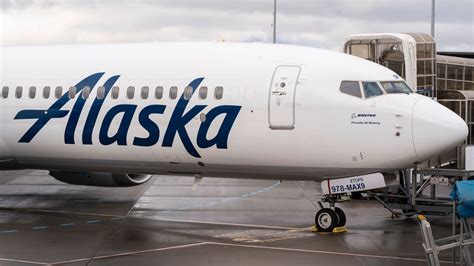
Alaska Airlines has officially retired its long-standing slogan “Proudly All Boeing”, signaling a monumental shift in its fleet identity and strategic vision. This change arrives in the wake of its merger with Hawaiian Airlines, a partnership that has introduced Airbus aircraft into what was previously an all-Boeing operation. The decision isn’t merely symbolic—it marks a transition in Alaska’s aspirations, operational scope, and long-term fleet strategy.
A Legacy Ends: The ‘Proudly All Boeing’ Era Closes
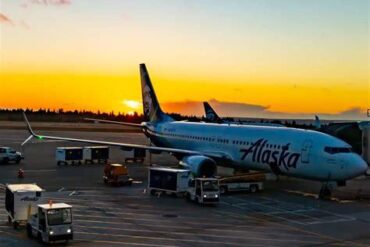
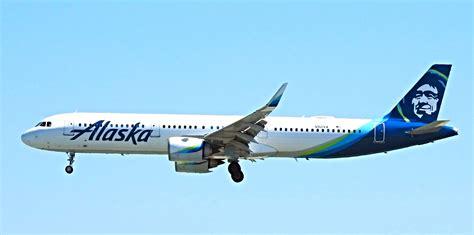
For decades, Alaska Airlines cultivated its brand around the reliability and consistency of the Boeing 737 family. That legacy has been one of performance, loyalty, and strategic alignment with a U.S.-based manufacturer. However, the merger with Hawaiian Airlines has made such a slogan untenable. Hawaiian’s fleet consists of Airbus A321neo, A330-200, and A330-300 aircraft—models that Alaska Airlines does not intend to retire, resell, or sideline.
The shift is both practical and forward-looking. Ben Minicucci, President and CEO of Alaska Air Group, highlighted the immense effort required to unify both fleets under a joint operating certificate from the FAA. In his words, this “year-long, multi-phase effort” is more than a logistical achievement—it’s a foundation for a combined future.
Two Fleets, One Vision: Integrating Airbus with Boeing
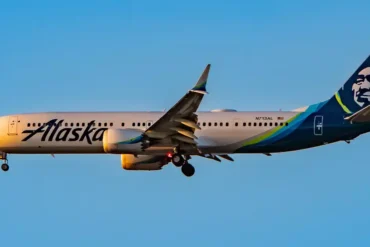
The result is a hybrid fleet structure where Airbus and Boeing aircraft will coexist, each fulfilling distinct mission profiles. The Boeing 737 MAX 9 and 737-900ER remain dominant within the Alaska mainline operations, while Hawaiian’s Airbus A321neo jets continue to service trans-Pacific and inter-island routes.
The A321neo has carved out a valuable niche: with its impressive fuel efficiency and range, it excels on long overwater flights between Hawaiʻi and the U.S. mainland. Its integration supports a broader regional reach without compromising operational efficiency. Thanks to relatively low airframe age and prior investments—including Starlink Wi-Fi—the A321neo fleet is positioned for long-term retention.
Widebody Expansion: A330s and the Path to Global Operations
Far more transformative, however, is the introduction of the Airbus A330 series. These widebody aircraft—comprising 22 A330-200s and 10 A330-300s—open the door to true long-haul international service, something previously out of reach for Alaska’s Boeing-centric fleet.
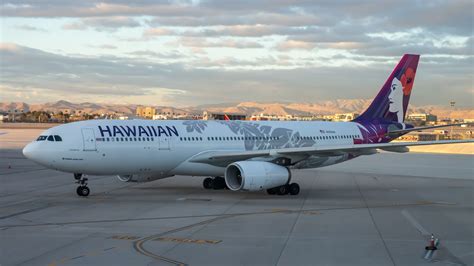
The A330’s extended range and payload capacity are critical to newly planned international routes, including inaugural flights from Seattle-Tacoma International Airport (SEA) to Tokyo Narita (NRT), Seoul Incheon (ICN), and even future destinations in Europe such as London, Reykjavik, and Rome. These international ambitions are further supported by the arrival of Boeing 787 Dreamliners, the first widebody jets acquired directly by Alaska Airlines.
The Boeing 787, a modern composite aircraft with remarkable fuel efficiency and passenger comfort, will eventually assume key long-haul roles. But until that fleet matures, A330s will serve as the backbone of Alaska’s international foray. A retrofit program set to begin in 2028 under the Kahuʻewai Hawaiʻi Investment Plan will modernize the interiors with lie-flat suites, premium economy, and enhanced in-flight entertainment.
Livery and Identity: A Visual Evolution
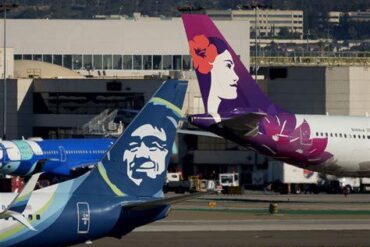
Despite the merger, not all branding will immediately unify. The Hawaiian Airlines livery, with its signature Pualani logo, will remain on many of the Airbus jets. However, as part of a forward-facing rebranding initiative, Alaska Airlines has hinted at a new ‘Global Livery’ inspired by the Aurora Borealis—a motif aligned with Alaska’s heritage and its global future.
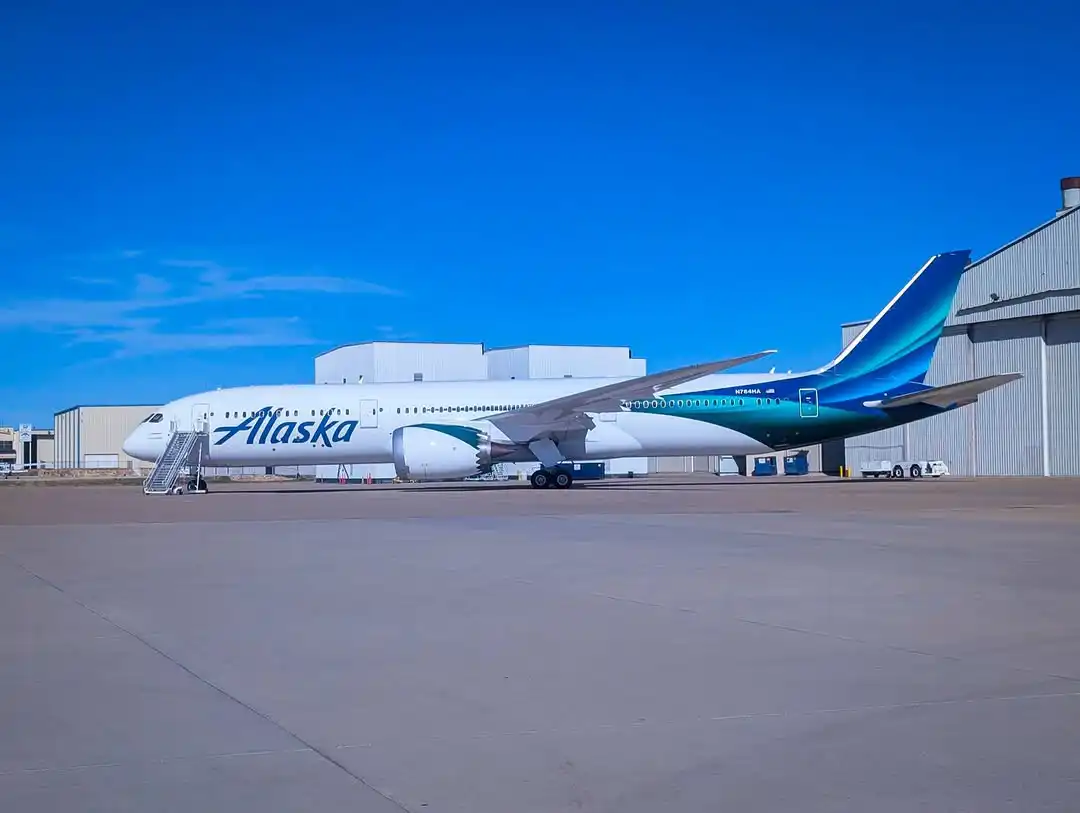
This mixed-livery approach reflects the dual identity of the merged airlines: one deeply rooted in Hawaiian hospitality and trans-Pacific experience, the other steeped in Pacific Northwest culture and domestic U.S. connectivity. As their network integration deepens, so too will branding alignment, though symbolic nods to both legacies are expected to endure.
The Strategic Imperative Behind the Shift
Removing the “Proudly All Boeing” slogan is not an abandonment of Alaska’s past, but rather a strategic acceptance of the realities and opportunities offered by fleet diversification. Boeing remains a core partner, especially with the upcoming 787 deliveries, but Airbus now plays a pivotal role in facilitating global growth.
This strategic balance is necessary for multiple reasons:
- Route Optimization: The A330 and A321neo offer capabilities that complement the 737, especially for high-demand, long-haul, or overwater routes.
- Fleet Flexibility: Economic resilience and competitive advantage often depend on flexible aircraft options tailored to specific market conditions.
- Operational Synergies: Shared infrastructure at hubs like Honolulu International Airport (HNL) supports cost-effective integration of Hawaiian’s existing fleet.
Future of the Fleet: What Lies Ahead
Alaska Airlines’ trajectory is shifting from being a regionally strong U.S. carrier to becoming an internationally competitive airline. That shift is being made possible not just by new routes or expanded terminals, but by embracing aircraft diversity as a competitive edge.
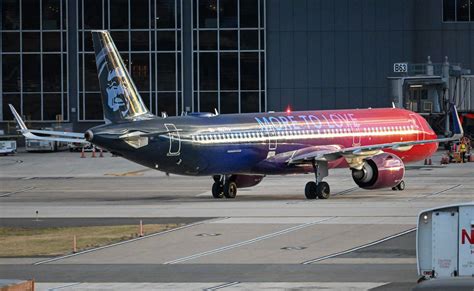
By 2028, we expect a dramatically different Alaska Airlines than the one remembered for being exclusively Boeing. With A321neos flying coastal and Pacific routes, A330s anchoring global long-haul service, and 787s ushering in the next generation of international travel, the fleet will be one of versatility, ambition, and global reach.
The sun may be setting on the “Proudly All Boeing” slogan, but what rises in its place is a new era of flexibility, expansion, and international identity. Alaska Airlines is no longer just a carrier of the Pacific Northwest—it is a brand repositioning itself to navigate the skies of the world.