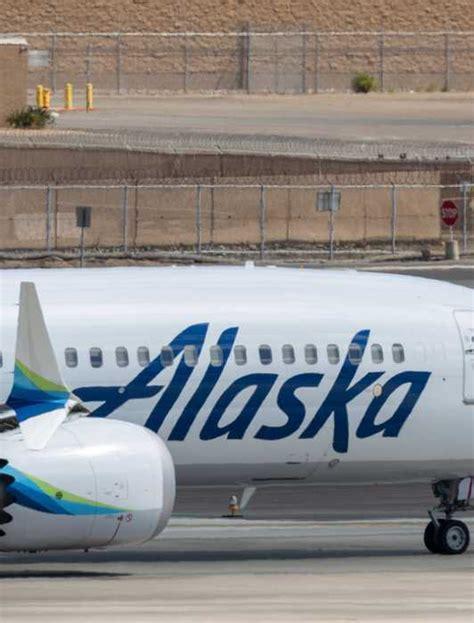
Alaska Airlines is making a bold statement in the West Coast aviation market by dramatically increasing its flight operations from San Diego International Airport (SAN). With a strategic focus on long-term growth and regional dominance, the carrier is planning a staggering 45% increase in flight operations from San Diego in the first half of 2026, as compared to the same period in 2025. This expansion reflects not just numerical growth but a deep, tactical repositioning that positions San Diego as a central hub in Alaska Airlines’ expanding network.
Alaska’s West Coast Strategy Finds New Center in San Diego
Since 2019, Alaska Airlines has been incrementally building its presence in San Diego. Initially considered a secondary market, San Diego has transformed into a critical node in Alaska’s West Coast strategy. The airline has steadily grown its seat capacity and flight frequency by over 30% in recent years, a figure that underscores its commitment to the market.
This surge is not random. It is the result of Alaska’s careful capacity reallocation — shedding underperforming routes and reinforcing cities with proven growth metrics. As of early 2026, San Diego has emerged as one of Alaska’s fastest-growing markets, overtaking several other West Coast cities in importance.
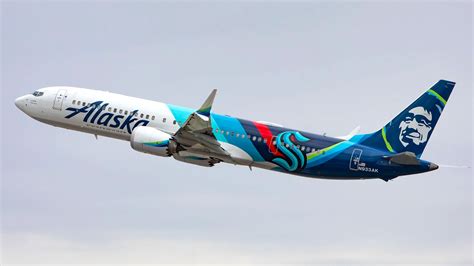
Five Brand-New Routes Introduced from San Diego in 2026
In spring 2026, Alaska Airlines is set to launch five new nonstop routes that significantly expand its reach from San Diego. These additions are as follows:
- Dallas/Fort Worth International Airport (DFW): Launching April 22 with two daily flights.
- Oakland International Airport (OAK): Four daily flights starting April 22.
- Raleigh-Durham International Airport (RDU): Once-daily service from April 22.
- Santa Barbara Airport (SBA): Two daily flights launching April 22.
- Tulsa International Airport (TUL): One daily flight beginning March 18.
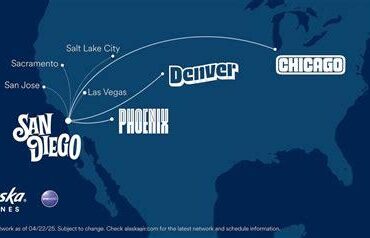
These new additions follow a robust 2025 where Alaska launched services to Phoenix Sky Harbor, Chicago O’Hare, Denver, and Reagan National, along with a seasonal service to Sun Valley. The new DFW and Raleigh-Durham connections are particularly strategic, giving Alaska greater access to central and southeastern markets that complement its West Coast stronghold.
Frequency Boosts Cement San Diego as a Key Hub
In tandem with new destinations, Alaska Airlines is dramatically increasing frequencies on key routes. Major increases include:
- Las Vegas (LAS): From 4 to 6 daily flights
- Sacramento (SMF): From 4 to 6 daily flights
- San Jose (SJC): From 4 to 6 daily flights
- Salt Lake City (SLC): From 1 to 3 daily flights
- Austin (AUS): Doubled to 4 daily flights (January through March 2026)
- Reno (RNO): Increased to 2 daily flights; now a year-round route
- Honolulu (HNL) and Maui (OGG): Increased frequencies to accommodate Hawaiian-bound travelers
These frequency upgrades not only strengthen Alaska’s footprint in high-demand markets but also enhance flexibility and connectivity for both leisure and business travelers.
Unique Advantage with Nonstop Reagan National Service
A noteworthy highlight in Alaska’s San Diego playbook is its exclusive nonstop service to Ronald Reagan Washington National Airport (DCA). Launched in March 2025, this connection filled a major service gap — San Diego was previously the largest U.S. airport without direct access to Reagan National. Alaska remains the sole operator of this route, giving it a distinct competitive edge for transcontinental travelers.
The flight taps into high-yield government and business traffic, offering convenience and time savings for East Coast-bound passengers. This strategic route bolsters Alaska’s brand as a premium player, especially among frequent fliers who value direct access to Washington, D.C.
Strategic Cuts and Fleet Optimization: A Calculated Reshuffle
While the expansion in San Diego is aggressive, Alaska Airlines has not hesitated to cut underperforming routes to optimize its network. A prime example is the San Diego–Atlanta route, which will be discontinued on March 10, 2026. Despite being served once daily by Alaska, the route is heavily dominated by Delta Air Lines with up to seven daily frequencies. The withdrawal is less about retreat and more about shrewd resource reallocation.
This disciplined approach ensures that Alaska’s San Diego operations remain profitable and nimble. By focusing on routes with solid demand and less direct competition, the airline maximizes its return on every aircraft hour and crew deployment.

Alaska’s 2026 Growth: By the Numbers
The airline’s growth trajectory from San Diego is not incremental—it is exponential. According to Cirium data, by the first half of 2026:
- Alaska will operate nearly 45% more flights from SAN than in the same period of 2025.
- Since 2019, Alaska’s total seat capacity from SAN has surged over 30%.
- In 2025 alone, capacity rose about 42%.
- Combined with Hawaiian Airlines, Alaska now offers nonstop service to 49 destinations from San Diego.
Such numbers point to a clear shift: San Diego is no longer a peripheral market but a full-fledged West Coast hub for Alaska Airlines.
Conclusion: San Diego’s Ascension in Alaska’s Flight Plan
Alaska Airlines’ massive San Diego expansion is more than just a growth story—it’s a redefinition of network strategy. By increasing routes, boosting frequencies, and optimizing underperforming segments, the airline is sending a strong signal to the industry: San Diego is a key battleground in the next chapter of U.S. aviation.
This 45% increase in flights by 2026 solidifies Alaska’s role as a leading player in California’s dynamic travel market. As passenger demand continues to rebound and regional airports become increasingly pivotal, Alaska Airlines appears poised to lead with scale, strategy, and skyward ambition.