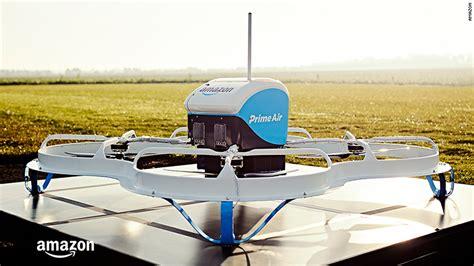
In the race to reshape last-mile logistics, Amazon’s Prime Air division has introduced a delivery method that feels more science fiction than reality: 80-pound autonomous drones that drop 5-pound packages from 10 feet in the air — all for an additional $5 surcharge. What sounds like a scene from a dystopian tech movie is now a pilot program in select neighborhoods, and it’s drawing just as many eye-rolls as it is awe.
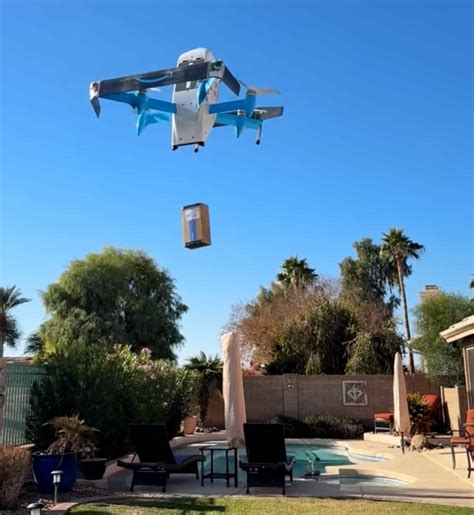
These drone drops, handled by Amazon’s MK30 model, are not tethered, cushioned, or slowly lowered. Instead, the packages — regardless of fragility — are dropped directly onto lawns or driveways, often with only lightweight air pillows and a cardboard box as shock protection. Unsurprisingly, this method has sparked backlash from residents, drone hobbyists, and former Amazon employees alike.
The Rise of Amazon’s Drone Delivery — And The 10-Foot Fall
Amazon’s drone ambitions trace back over a decade. Announced on 60 Minutes in 2013, the company promised a revolution in delivery: fast, precise, and autonomous. But despite the fanfare, the scaling has been painfully slow. Years of regulatory hurdles, technical limitations, and logistical nightmares have hampered expansion.
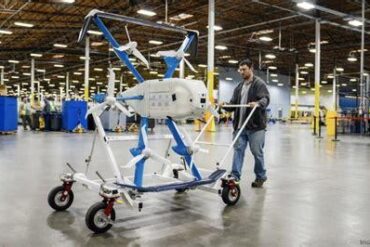
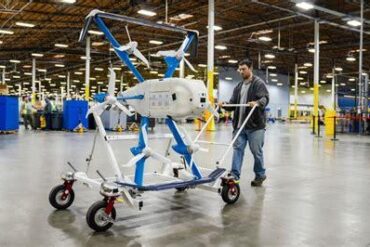
Now, in 2025, the company is trialing its boldest iteration yet — a drone that weighs 80 pounds and delivers lightweight consumer packages by simply letting them fall. The MK30 drone, registered under FAA Part 135 Air Carrier Certification, puts it in the same legal airspace as FedEx or UPS cargo planes. That means if anyone shoots one down — a growing temptation in some neighborhoods — they could face a federal felony.
But legality aside, residents in areas like College Station, Texas have more practical complaints: noise pollution, privacy concerns, and the sheer risk of aerial drops.
Payload Precision — Or Robotic Roulette?
Amazon defends the practice by asserting that most items under 5 pounds can survive the drop if properly cushioned. However, video footage shows editing cuts before the package actually hits the ground — a detail noticed by drone enthusiasts and Reddit users alike. The absence of a descent tether or slowing mechanism (unlike Google’s Wing, which uses a string system) means the cargo undergoes a free fall that could easily damage electronics, cosmetics, or anything remotely fragile.
The drones do not lower the packages — they simply hover, calculate clearance via sensors, and release the payload. The impact, though seemingly minor for some products, has raised flags about pet safety, child injury risks, and property damage.

Technology Behind the MK30 Drone: Autonomous But Watched
The MK30 drone is powered by an array of detect-and-avoid systems, allowing it to navigate complex environments with minimal human intervention. While flights are mostly autonomous, each drone is overseen by a single remote human operator tasked with monitoring multiple craft simultaneously.
The drone uses LIDAR, radar, and machine vision AI to assess drop zones, avoid obstacles like trees or pools, and ensure it isn’t releasing a package onto a pet or child. However, human confirmation is still required before the release command is initiated — a small but critical safeguard.
Despite these measures, ex-employees have noted that early AI training involved bringing pets and children into potential drop zones to teach drones what to avoid. Whether that training is sufficient in the real world remains uncertain.
The Cost of Convenience: $5 Surcharge and Priceless Noise
Amazon charges $5 extra per delivery for drone drops, citing premium service and logistical costs. For tech-savvy customers ordering electronics or medications, that cost might seem justified. But as one Reddit user aptly put it, “I wouldn’t want anything I paid for bounced off the ground.”
More importantly, residents living near drone launch ports report persistent noise pollution. While Amazon has made strides to reduce decibels with their electric fleet, the MK30’s rotor hum is an unmistakable presence in the suburbs — and a far cry from the near-silent Rivian electric vans.
Privacy, Regulation, and Skeet Shooting Temptations
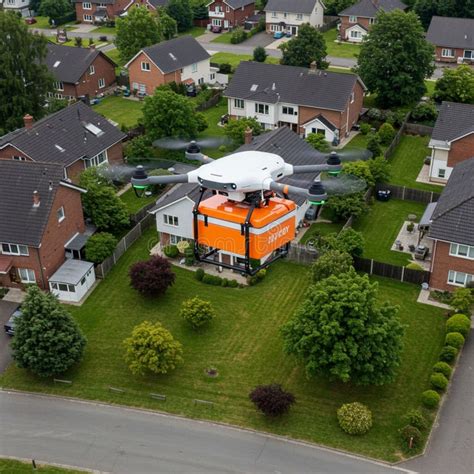
Amazon’s growing aerial presence brings a host of legal and privacy implications. Under current U.S. law, there is no expectation of privacy in your backyard if it’s visible from public airspace. This means drones flying over a sunbather, a kid in the pool, or a backyard BBQ are not violating privacy laws — even if it feels invasive.
Despite the FAA certification and aircraft registration, some locals see these drones as fair game. Multiple reports suggest drones have been shot down in California, though prosecutions remain rare. Former UAS specialists warn that Amazon is likely waiting for a high-profile case to set legal precedent, with its army of lawyers prepared to pounce.
In the words of one ex-employee: “The day someone shoots one down on camera is the day they become Amazon’s federal poster child.”
Why the Slow Rollout? Technical, Legal, and Social Friction
Even with its technological edge, Amazon has only deployed drone delivery in select neighborhoods. The reasons are multifaceted:
- FAA restrictions, including Beyond Visual Line of Sight (BVLOS) limitations
- Local pushback over noise, safety, and aesthetics
- Environmental obstacles like trees, utility wires, pets, and unpredictable terrain
- Insurance and liability risks for damage or injury
Former engineers from Pendleton and SEA109 launch sites note that while the hardware is ready, the real-world variables have slowed mass adoption. From AI payload training to airspace conflict with hobbyist drones, the drone delivery dream is still battling to become routine.
The Industry Backlash: Hobbyists, Competitors, and Critics
Among drone enthusiasts, there’s rising tension over Amazon’s growing claim over U.S. airspace. Many point out that the expansion of commercial drone corridors is shrinking recreational flight zones. This fuels resentment among hobbyists who feel boxed out of the skies by corporate behemoths.
Google Wing, Amazon’s closest rival, has won praise for its gentler tether-drop method, which eliminates hard impacts and provides a quieter experience. Unlike Amazon, Wing has invested heavily in community engagement and urban testing partnerships to ensure smoother rollout.
By contrast, Amazon’s approach has been labeled secretive, aggressive, and even militarized, given the airworthiness certification and surveillance potential. As one user snarkily noted, “They’ll be able to hunt us soon enough.”
A Glimpse Into the Future — Or a Technological Misstep?
Whether Amazon’s drone drop program represents the future of delivery or an expensive miscalculation depends on how the company responds to growing scrutiny. The key challenges are no longer technical — the drones work. The problem is public acceptance.
- Can consumers trust fragile items to survive a 10-foot fall?
- Will regulators maintain flexibility under mounting pressure?
- Are neighborhoods ready to trade peace and privacy for speed?
The MK30 and its ilk have tremendous potential. In disaster zones, rural outposts, or time-sensitive emergencies, drone delivery makes undeniable sense. But in the suburbs? The backlash is real — and the skies are watching.
Conclusion: When Convenience Falls From the Sky
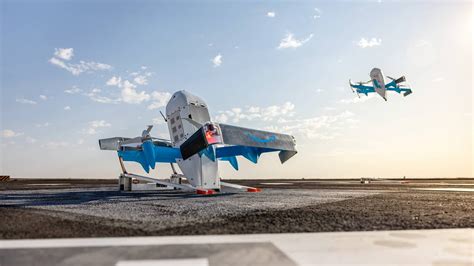
The idea of instant airborne delivery sounds futuristic, but Amazon’s current implementation is far from flawless. With 80-lb drones dropping packages from above, for a fee, without a tether, and often near children, pets, or pools, the risks feel far more tangible than the rewards.
Until Amazon refines the method, adds better safeguards, and earns trust from communities, drone delivery will remain a high-tech novelty — more spectacle than standard. And as long as it costs $5 to watch your package bounce off the driveway, customers may prefer the quiet hum of an electric van over the buzz of a robotic sky courier.
The future may be airborne, but today, it still feels up in the air.