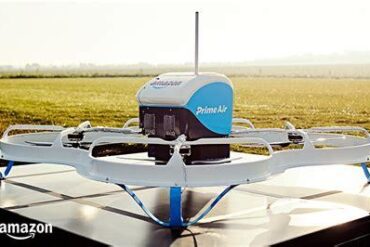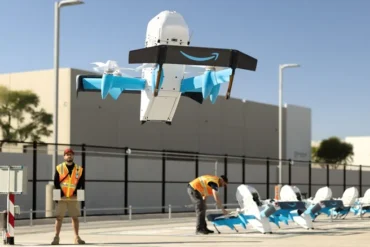
In the rapidly evolving domain of autonomous aerial logistics, Amazon’s Prime Air program has once again captured industry attention. The launch of the MK30 delivery drone in Arizona and Texas represents a significant technological and regulatory achievement. But more importantly, it showcases how Amazon set a new benchmark in drone safety certification, driven not only by innovation but by an unwavering commitment to exceeding regulatory expectations.
Amazon’s approach to proving the safety of the MK30 drone was neither hasty nor minimalist. Instead, it was rooted in relentless engineering, strategic foresight, and a sophisticated testing regime designed to confront both the anticipated and the unpredictable.
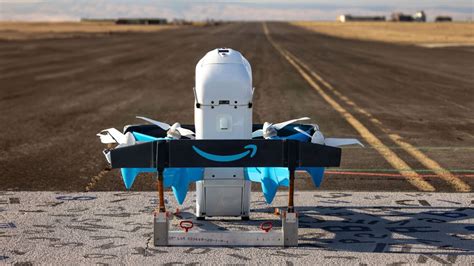
Understanding the MK30: A Leap in Drone Engineering
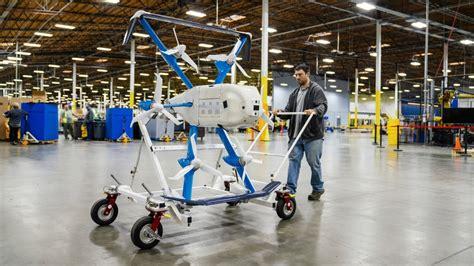
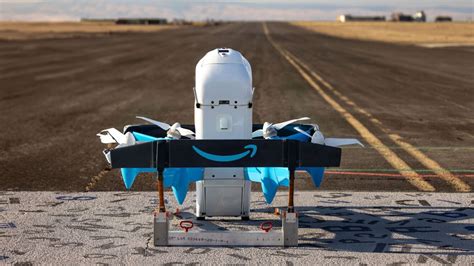
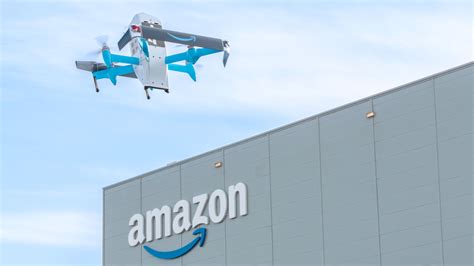
The MK30 is Amazon’s most advanced drone to date, boasting double the range and half the noise output compared to earlier models. Engineered for real-world complexity, it integrates seamlessly into the airspace and maintains reliability in unpredictable environments. During early commercial operations in Phoenix’s West Valley and College Station, Texas, Amazon collected vast data under diverse atmospheric and environmental conditions.
For instance, Phoenix’s dusty environment, while anticipated, revealed a need to further calibrate the drone’s altitude sensor, which could potentially misread elevations due to airborne particles. Although no safety event occurred, Amazon chose to enhance the hardware and software components preemptively, reflecting its policy of zero-tolerance for potential risk.
From Pause to Progress: The Voluntary Fleet Stand-Down
Rather than wait for regulatory enforcement or safety incidents, Amazon voluntarily grounded its Prime Air fleet to implement improvements. This proactive pause is emblematic of their internal safety doctrine, where operational readiness follows proven resilience—not the other way around. Enhancements were rigorously tested before the drone returned to customer delivery operations.
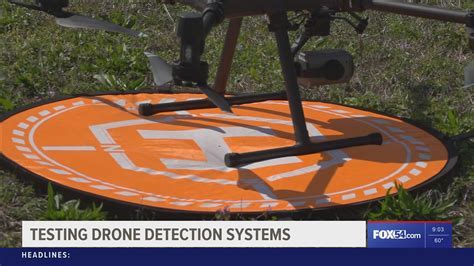
The Engineering Behind Trust: Safety by Design
The system safety team, led by experts like Phil Hornstein, adheres to a safety bar higher than FAA requirements. This team deployed a methodology blending aerospace rigor with automotive and military test standards. Among these is ARP4761, a standard for assessing aircraft safety now adapted to drone systems. Amazon’s application of such standards resulted in a comprehensive review of every system’s failure modes, redundancies, and design tolerances.
Key safety design principles included:
- Eliminating single points of failure by separating power sources for critical components and backups.
- Building an obstacle detection model that can adapt dynamically to unpredictable landing zones.
- Implementing redundant avionics to ensure control continuity in case of system failures.
Injecting Risk to Prove Resilience
Amazon didn’t wait for real-world failure scenarios to play out—they injected them deliberately in controlled environments. These trials included the “MEP out test,” where components like motors or propellers were disabled mid-flight. The drone had to recover autonomously, return to its base, and land safely. Similarly, “switchover tests” disabled primary flight computers to ensure immediate transition to backup systems.
These stress-tests were repeated across thousands of missions. As of now, 5,166 test flights totaling 908 hours of airtime have been conducted, offering quantifiable confidence in the system’s robustness.
Obstacle Avoidance: Intelligence on the Fly
Autonomous drones operate in non-deterministic environments, meaning surprises are expected. Amazon’s Airspace and Mission Orchestration System models every known structure, terrain, and restricted area, dynamically generating safe flight paths. But since delivery sites—customers’ yards—are inherently uncontrolled, Amazon developed an adaptive landing protocol.
Tests included placing dynamic and movable objects, such as toys tethered to ropes, at landing zones. These simulations ensured the drone could recognize the hazard, abort the delivery, and safely hover or return.
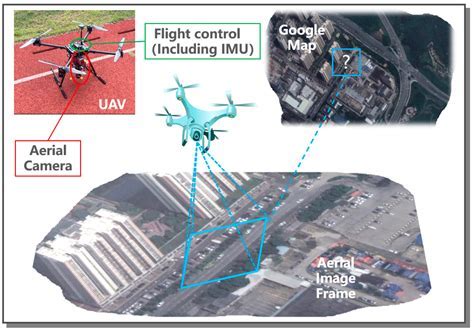
Detect and Avoid: Aerial Situational Awareness
In shared airspace, drones must do more than just fly—they must sense and respond to other aircraft. To certify this capability, Amazon conducted extreme realism tests. In these scenarios, helicopters and planes were flown directly at the MK30, which had to detect, assess, and autonomously maneuver to safety.
Adam Martin, head of flight test safety, emphasized the thoroughness of these trials: “We ran many, many tests of that type,” ensuring the drone’s logic and sensors were calibrated across multiple approach vectors, speeds, and altitudes.
Human Factors: Mitigating Operational Errors
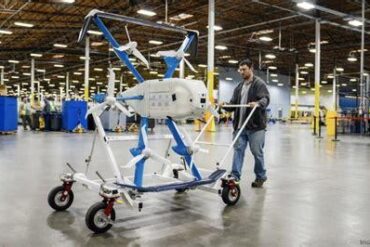
Despite the autonomy, human oversight remains crucial. Prime Air has invested heavily in training operators who conduct stringent pre- and post-flight checks. These operators are embedded within the automated safety net, ensuring procedural adherence and manual intervention capacity when needed.
A Culture of Continuous Testing and Iteration
What makes Amazon’s drone program exceptional is its recognition that safety is not a one-time certification—it is a continuous process. Every new flight, software update, or environmental variable introduces an opportunity to retest, recalibrate, and improve.
Even after FAA approval, testing continues under new conditions to simulate emerging challenges. Amazon’s mindset is simple: “What else can go wrong, and how do we prevent it before it does?”

Conclusion: Engineering Confidence into the Skies
Amazon has successfully turned its Prime Air program into a paragon of aerial innovation and accountability. By developing testing methodologies that exceed traditional norms and adapting standards from multiple industries, the company has forged a safety culture grounded in transparency, learning, and preemptive action.
The MK30 doesn’t just deliver packages—it delivers proof that autonomous delivery at scale can be both practical and profoundly safe. It stands as a testament to how engineering discipline, rigorous validation, and regulatory partnership can bring futuristic visions into today’s reality.
Amazon’s path to proving the MK30 drone’s safety was not a shortcut but a strategic ascent—one that may well redefine what the world expects from autonomous aerial logistics in the years to come.