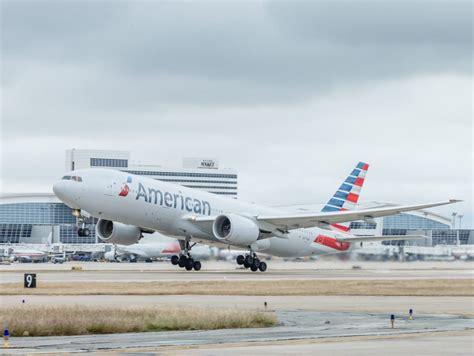
American Airlines is making a decisive move across the Atlantic, launching four new European routes that signal far more than seasonal expansion. Beneath the surface, this is a calculated play to reshape competitive dynamics, strengthen key hubs, and directly challenge Delta Air Lines in high-yield markets. With as many as 70 daily flights between the United States and Europe, the airline is not just growing—it is applying pressure with precision.
The timing is deliberate. As global travel demand surges and premium long-haul routes regain their profitability, American is stepping into the summer season with its largest transatlantic schedule ever, aiming to reclaim ground it has historically ceded to rivals. What makes this expansion compelling is not just scale, but strategy.
A Four-Route Expansion Designed for Strategic Impact
American’s newly launched routes are not random additions—they are carefully selected corridors designed to maximize both network reach and revenue potential. From Philadelphia, the airline now connects to Budapest and Prague, while Dallas/Fort Worth gains new nonstop links to Athens and Zurich.
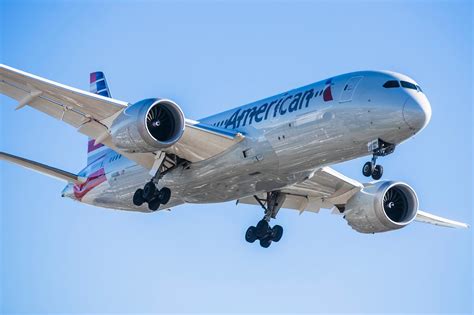
These routes are operated by a mix of modern long-haul aircraft, including the Boeing 787-8 Dreamliner and Boeing 777 variants, ensuring both efficiency and passenger comfort on competitive transatlantic sectors.
The expansion reflects a dual-hub strategy:
- Philadelphia (PHL) acts as a transatlantic gateway for thinner, high-value European routes
- Dallas/Fort Worth (DFW) leverages its massive domestic network to funnel passengers into long-haul international flights
This balanced approach allows American to capture both origin-destination demand and connecting traffic, a critical factor in sustaining long-haul profitability.
Philadelphia Emerges as a Transatlantic Powerhouse
Philadelphia is no longer just a supporting hub—it is rapidly becoming the centerpiece of American’s European strategy. With over 120 global destinations and 19 transatlantic routes, the airport now plays a pivotal role in connecting the U.S. East Coast and Midwest to Europe.
The airline has also restructured its schedule into seven connecting banks, a move designed to optimize passenger flow. This translates into:
- Shorter connection times
- Improved on-time performance
- Reduced missed connections
These operational enhancements are not cosmetic. They directly influence the success of routes like Prague and Budapest, which depend heavily on efficient feeder traffic from smaller U.S. markets.
By smoothing connectivity, American is effectively turning Philadelphia into a high-efficiency transatlantic bridge, capable of competing with traditional giants like New York and Atlanta.
Dallas/Fort Worth: Scaling Long-Haul Connectivity
While Philadelphia focuses on precision, Dallas/Fort Worth delivers sheer scale. As American’s largest hub, DFW offers over 230 nonstop destinations and more than 930 peak daily departures, making it one of the most connected airports in the world.
The introduction of flights to Athens and Zurich reinforces DFW’s role as a global super-connector, linking vast regions of North America to Europe through a single hub.
A newly implemented 13-bank scheduling system further enhances performance by:
- Reducing congestion and delays
- Streamlining baggage handling
- Minimizing gate changes
This operational discipline is critical. Long-haul routes are expensive to run, and even minor inefficiencies can erode margins. By tightening its hub structure, American is ensuring that its expansion is not just ambitious—but sustainable.

Prague: The Route That Changes Everything
Among the four new routes, Philadelphia–Prague stands out as the most strategically significant. This is not simply a new destination—it is a direct challenge to Delta Air Lines, which has quietly dominated the U.S.–Czechia market.
For years, Delta’s New York-JFK to Prague service operated with minimal competition, achieving an exceptional 94.1% load factor—a figure that reflects both strong demand and limited capacity.
American’s entry disrupts that equilibrium.
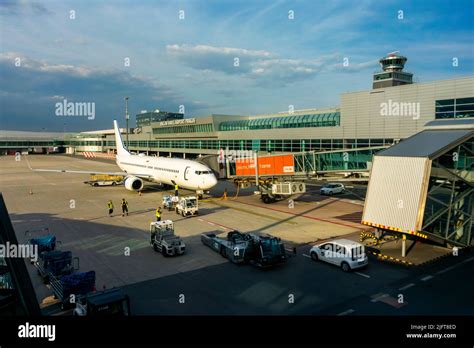
The competitive dynamics are fascinating. Delta retains key advantages:
- Access to the larger New York market
- Established brand presence on the route
- Optimized capacity with the Boeing 767-300ER
However, American brings its own strengths:
- A broader domestic feed network via Philadelphia
- A larger, more modern 787-8 aircraft
- Access to underserved connecting markets across the U.S.
The central question now is whether Prague can sustain dual-carrier competition. If demand proves deeper than previously assumed, both airlines may thrive. If not, yields and load factors could come under pressure.
Either way, the route transforms from a niche success into a high-stakes competitive battleground.
Budapest, Athens, and Zurich: Expanding the Network Edge
While Prague grabs headlines, the other three routes play equally important roles in American’s broader strategy.
Budapest represents a new addition to the airline’s network, tapping into a growing Central European market with strong tourism and diaspora demand. Its inclusion signals confidence in secondary European cities that offer high yields without the congestion of major hubs.
Athens, on the other hand, is a proven summer powerhouse. By connecting it to Dallas/Fort Worth, American unlocks demand from across the southern and central United States—regions previously underserved for nonstop access to Greece.
Zurich adds a premium dimension. As a global financial center, it attracts high-value business travelers, aligning perfectly with American’s push to increase premium cabin revenue.
Together, these routes create a diversified European portfolio, balancing leisure, business, and visiting-friends-and-relatives traffic.
A Record-Breaking Summer With Operational Pressure
American’s expansion comes as it prepares for what could be its largest summer season ever. The airline expects to carry 75 million passengers across 750,000 flights, surpassing pre-pandemic records.
Peak travel days will see nearly 7,000 flights in a single day, a level of activity that places enormous strain on operations.

To handle this surge, the airline has invested heavily in:
- Preventive aircraft maintenance
- Staffing increases in critical hubs
- Infrastructure readiness for extreme weather
These measures are essential. Summer operations are notoriously volatile, with thunderstorms, congestion, and full flights creating cascading disruptions. For American, success hinges not just on filling seats—but on delivering reliability at scale.
The Competitive Landscape: Closing the Gap With Delta
For years, American Airlines has trailed Delta in both transatlantic market share and profitability. This latest expansion is a clear attempt to narrow that gap.
Delta’s strategy has traditionally focused on measured growth, operational excellence, and premium positioning. American, by contrast, is now leaning into network breadth and hub optimization, aiming to unlock value through connectivity.
The Prague route encapsulates this rivalry. It is not a head-to-head clash from the same airport, but it represents something more nuanced—a battle of network architectures.
- Delta relies on origin strength and efficiency
- American leverages connectivity and scale
Which model prevails will depend on execution.
Why This Expansion Matters More Than It Appears
At first glance, adding four routes may seem incremental. In reality, this move reflects a deeper transformation. American is not just expanding—it is redefining how it competes across the Atlantic.
By strengthening Philadelphia, optimizing Dallas/Fort Worth, and targeting high-potential European cities, the airline is building a network designed for resilience and adaptability.
This matters because the economics of aviation have shifted. Long-haul international travel, particularly in premium cabins, now drives a disproportionate share of airline profits. Winning in this space requires more than capacity—it demands precision, reliability, and strategic foresight.
The Road Ahead: Growth Meets Execution
The success of American’s European push will ultimately depend on execution. Filling seats is only part of the equation. The airline must also:
- Maintain operational reliability during peak demand
- Deliver a consistent customer experience
- Ensure routes achieve sustainable profitability
If it succeeds, this expansion could mark a turning point—one where American transitions from a reactive competitor to a proactive force in the transatlantic market.
If it falls short, the added capacity may simply dilute yields and reinforce existing gaps.
What is certain is that the stakes have risen. With up to 70 daily flights crossing the Atlantic, American Airlines has made its intentions clear: it is no longer content to follow.