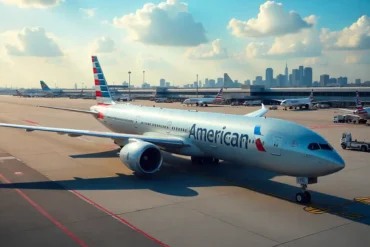
American Airlines may be preparing for a significant Asia-Pacific expansion from Los Angeles, with a potential nonstop service between Los Angeles International Airport (LAX) and Singapore Changi Airport (SIN) once again emerging as a possibility. The proposed route would represent a major strategic shift for the Fort Worth-based carrier, which previously reduced its Los Angeles trans-Pacific ambitions after several Asian markets struggled with intense competition and excess capacity.
The speculation comes as American continues expanding its Boeing 787-9 fleet and looks for international markets where premium demand can support long-haul operations. According to reporting from View From The Wing and aviation insider JonNYC, Chief Commercial Officer Nat Pieper has hinted that the airline is considering additional Asian destinations. Singapore would be particularly significant because American does not currently operate nonstop flights to Southeast Asia.
American’s potential return to Asia comes at a time when Los Angeles remains one of the world’s most fiercely contested trans-Pacific gateways. Asian airlines have built extensive networks into LAX, while major US carriers continue to develop their own Pacific strategies. A nonstop American service to Singapore would therefore be more than another route announcement; it could signal a renewed attempt to establish Los Angeles as an important part of the airline’s international network.
American Airlines’ Boeing 787-9 Could Unlock Singapore
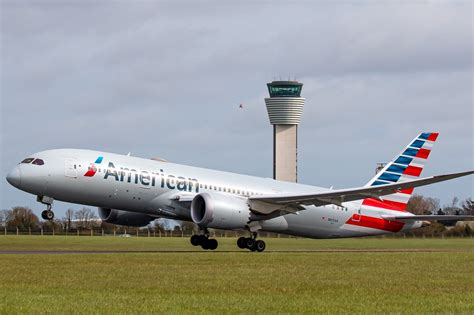
One of the strongest arguments for the proposed route is American’s evolving Boeing 787-9P fleet. These premium-heavy Dreamliners are designed to target markets where higher-yield passengers are especially important, giving the airline a potentially suitable aircraft for the long journey between Los Angeles and Singapore.
The 787-9P can accommodate up to 244 passengers, including 51 Flagship Suites arranged in a 1-2-1 configuration. The Flagship Suite Preferred seats in the first row offer additional space, upgraded bedding and amenity kits, with up to 20% more bed surface. Such an interior could give American a stronger proposition for corporate travelers and premium leisure passengers who have numerous alternative ways to reach Southeast Asia.
The aircraft is already being deployed on selected long-haul international routes, including services to Europe and Australia. Using it on LAX–SIN would allow American to emphasize premium capacity rather than attempting to compete purely on seat volume. That distinction could become crucial in a market where established Asian carriers have powerful connecting networks and substantial brand recognition.
Why Singapore Is Such A Difficult Market
Singapore is an attractive destination, but it is also an exceptionally challenging market for a US airline. Singapore Airlines currently operates the only nonstop service between Los Angeles and Singapore, giving it a substantial competitive advantage. Its strength comes not simply from carrying passengers between the two cities, but from connecting travelers through Singapore to destinations across India, Thailand, Vietnam and other parts of Asia.
Singapore Changi Airport handled approximately 69.98 million passenger movements in 2025, reinforcing its position as a major international gateway. Singapore Airlines and Scoot use the airport as a central hub, while FedEx Express also maintains significant operations there. This extensive ecosystem gives a new entrant access to a potentially large market, but it also means American would be entering territory where competitors already have highly developed networks.
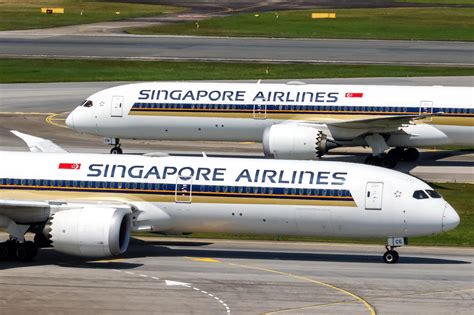
Passengers seeking lower fares could also choose one-stop itineraries through major Asian hubs. EVA Air, China Airlines, Cathay Pacific and Korean Air provide alternative connections into Southeast Asia, meaning American would have to persuade travelers that its nonstop service offers enough value to justify choosing it over established connecting options.
American Previously Pulled Back From Los Angeles Asia
The proposed Singapore route would also represent an important reversal for American’s Los Angeles strategy. The airline previously dismantled much of its Asia hub at LAX, leaving only a limited number of long-haul services, including flights to Tokyo Haneda, Sydney and Auckland.
American has instead concentrated much of its Asian network through Dallas/Fort Worth International Airport and Chicago O’Hare International Airport. DFW currently provides five Asian destinations, while Chicago is scheduled to gain a Tokyo Narita service next spring. This structure reflects American’s broader strategy of concentrating international flying around its strongest connecting hubs.
Before the pandemic, American served Asian destinations including Hong Kong, Beijing and Shanghai from Los Angeles. However, Pieper has indicated that those markets underperformed, with excessive capacity from competing airlines contributing to weak results. That history means Singapore would need to demonstrate a very different economic profile before American commits an aircraft to the route.
Could LAX–Singapore Put American Back In The Race?
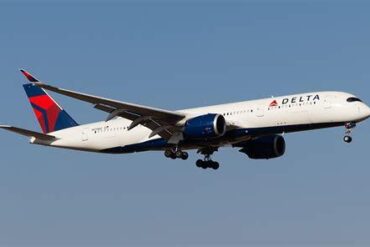
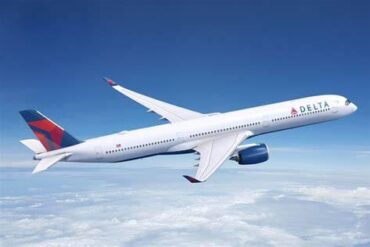
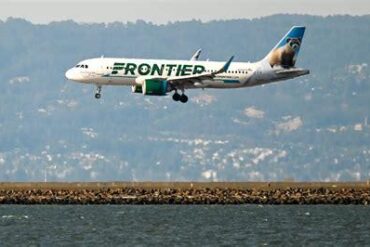
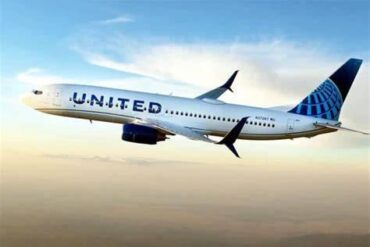
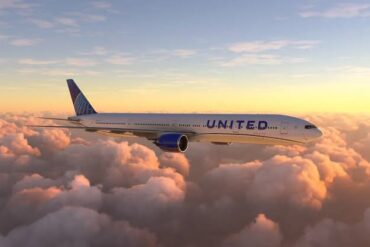
American would face an increasingly crowded field if it launches the service. United Airlines already flies between San Francisco and Singapore, while Delta Air Lines is considering its own Singapore service from Seattle-Tacoma International Airport or Los Angeles. The competitive pressure could therefore intensify rapidly.
American’s best opportunity may be differentiation rather than scale. A carefully timed schedule, premium-heavy 787-9P configuration and strong corporate sales strategy could create a niche that does not depend entirely on connecting traffic. If the airline can attract enough high-value passengers from Southern California, the route could complement rather than directly replicate the enormous connecting networks operated by Asian carriers.
For now, LAX–Singapore remains a possibility rather than a confirmed American Airlines route. Yet the combination of new premium-focused 787-9 aircraft, renewed interest in Asian markets and growing competition for Los Angeles trans-Pacific traffic makes the speculation significant. If American ultimately commits to Singapore, it would mark one of the clearest signs yet that the airline is willing to rebuild its Asia presence from Los Angeles—and potentially reclaim a larger role in the trans-Pacific race.