American Airlines is approaching a potentially transformative decision on its long-haul fleet, with the carrier evaluating an order for up to 65 widebody aircraft that could determine whether Airbus returns to its fleet after a six-year absence. The proposed purchase is centered on replacing the airline’s aging Boeing 777-200ER fleet, while also providing additional capacity for international growth during the 2030s.
The competition is particularly significant because American has spent years building a highly standardized widebody operation around Boeing aircraft. Today, its long-haul fleet consists of Boeing 777s and 787 Dreamliners, supported by established pilot training, maintenance infrastructure, spare-parts inventories, and operational expertise. Bringing Airbus back would therefore represent more than a simple aircraft purchase. It would mark a strategic shift in how the airline approaches fleet commonality and international expansion.
According to American Chief Commercial Officer Nat Pieper, the contest between Airbus and Boeing remains open. Speaking to Airliner World, Pieper indicated that the process had entered its final stages, although he emphasized that either manufacturer could ultimately win. That uncertainty makes the forthcoming decision one of the most closely watched widebody competitions in the U.S. airline industry.
American Airlines Targets Its Aging Boeing 777-200ER Fleet
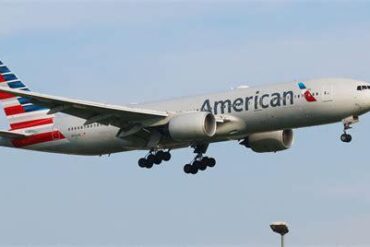
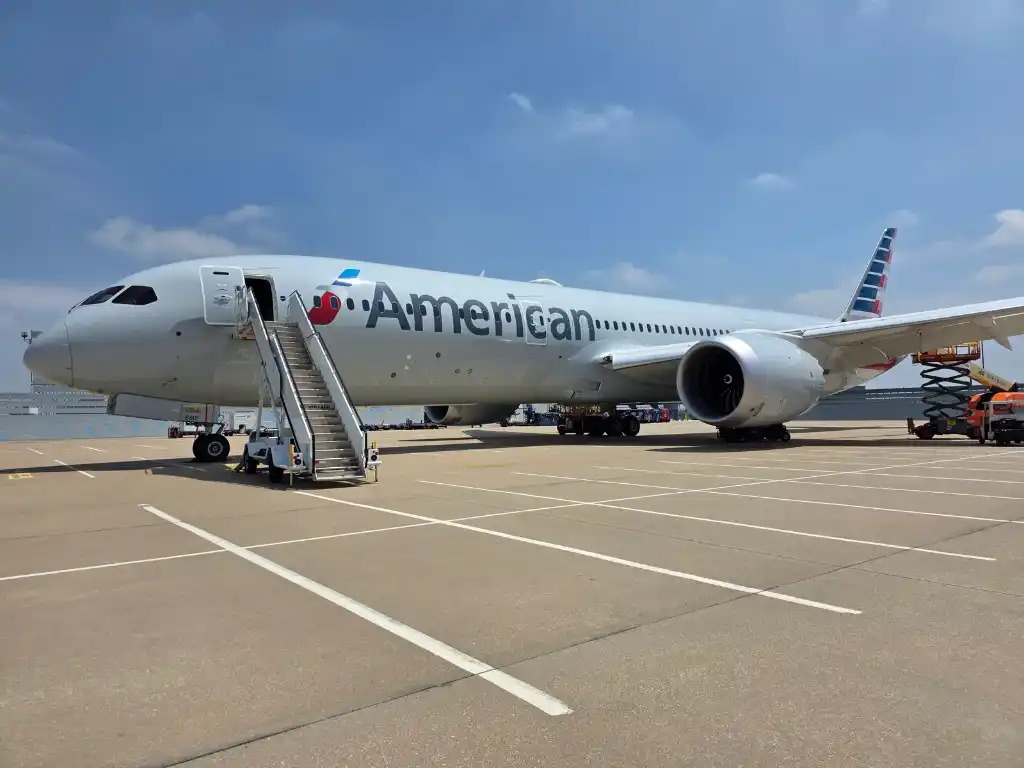
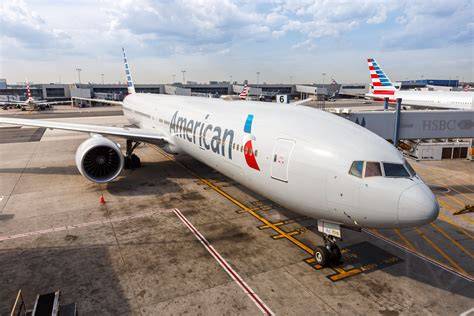
The immediate driver behind the proposed order is American’s fleet of 47 Boeing 777-200ER aircraft, which have an average age of roughly 25.8 years according to the supplied fleet data. While the 777-200ER remains a capable long-haul aircraft, its age increasingly makes fleet renewal an important consideration as American plans its international network for the next decade.
The reported figure of 65 aircraft should not be interpreted as 65 confirmed purchases. The eventual agreement could include options, purchase rights, or other commitments, meaning the number of aircraft ultimately delivered could be lower. Nevertheless, the scale of the potential transaction indicates that American is considering more than a one-for-one replacement program.
The additional aircraft could provide room for international growth, helping American restore capacity that was lost during the pandemic while opening opportunities for new long-haul markets. This is important because a replacement program that simply removes 777-200ERs without adding capacity would leave the airline with limited flexibility as demand for international travel develops.
American’s current widebody fleet also includes 20 Boeing 777-300ERs, 37 Boeing 787-8s, and 33 Boeing 787-9s. The 777-300ERs are younger than the 777-200ERs and are undergoing refurbishment, with that work expected to continue through 2027. As a result, American can approach the immediate replacement decision without simultaneously having to solve every problem across its widebody fleet.
Airbus Sees an Opening With the A330-900neo
For Airbus, the opportunity is strategically important. American retired its last Airbus A330 aircraft in 2020, following the carrier’s 2013 merger with US Airways. Since then, Boeing has effectively held the airline’s widebody fleet.
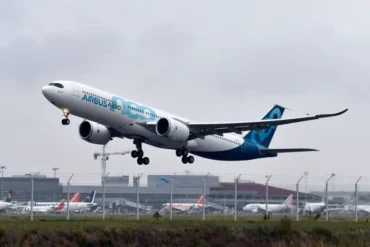
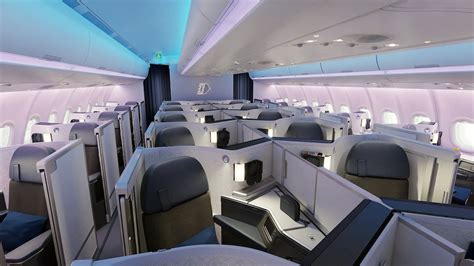
The aircraft most frequently associated with Airbus’s proposal is the A330-900neo. The type could provide American with a useful middle ground between its existing 787 fleet and larger aircraft such as the A350-900.
Airbus lists the A330-900neo with a typical three-class capacity of approximately 287 to 303 seats and a range of about 7,350 nautical miles, or roughly 13,600 kilometers. Those characteristics could make it suitable for many routes currently served by older 777-200ERs without forcing American to introduce an unnecessarily large aircraft.
The A330-900neo also has an important advantage: it is not an unproven design. The aircraft entered commercial service in 2018, giving airlines several years of operational experience with the type. That aligns with Pieper’s stated preference for aircraft that are already flying and have accumulated real-world operating history.
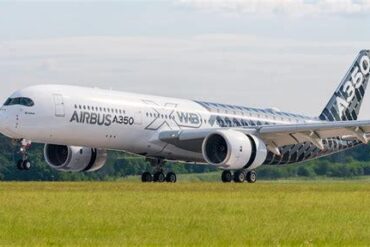
Airbus could also offer the A350-900, which provides greater range and capacity. However, its larger size may make it less directly aligned with American’s immediate 777-200ER replacement requirement. The A350 could become more attractive if American’s strategy shifts toward higher-capacity international routes, but the A330-900neo appears to fit the immediate mission more closely.
Boeing Retains a Major Commonality Advantage
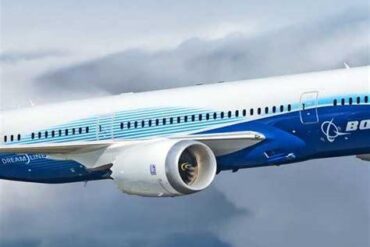
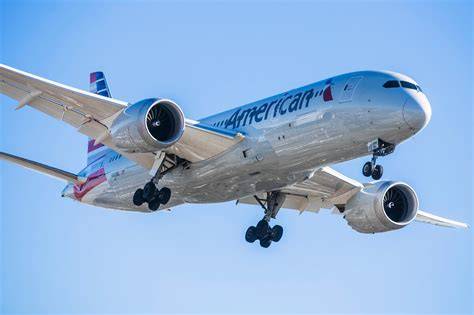
Despite Airbus’s opening, Boeing remains the natural incumbent. American already operates a substantial 787 fleet and has additional Dreamliners in its pipeline. Choosing more 787-9s would allow the airline to expand a platform that its crews and maintenance organization already understand.
American operates 70 Dreamliners, according to the supplied reference material, and has another 19 on firm order along with options for 28 additional aircraft. Those existing commitments give Boeing a powerful advantage because American could potentially increase its 787 fleet without introducing another widebody family.
The benefits extend beyond the aircraft itself. Commonality can simplify pilot training, maintenance procedures, spare-parts management, engineering support and operational planning. It can also reduce the organizational complexity associated with managing another manufacturer and aircraft family.
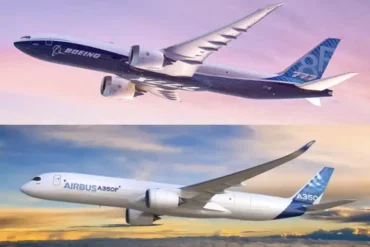
That does not automatically make Boeing the winner. A sufficiently attractive Airbus proposal could offset some of those commonality benefits through aircraft pricing, financing, fuel efficiency, maintenance economics, or other elements of the overall commercial package. American’s decision therefore appears likely to be based on the total economics of operating the aircraft, rather than a simple preference for one manufacturer.
The Boeing 787-9 Could Be the Safest Choice
The Boeing 787-9 is particularly well positioned because it already performs many of the missions American needs from its widebody fleet. The aircraft combines long range with a capacity that sits comfortably below the largest 777 variants, making it versatile across international markets.
For American, expanding the 787-9 fleet would also create a relatively straightforward transition from the 777-200ER. The airline would avoid many of the costs associated with introducing an entirely new widebody type while gaining newer-generation aircraft with substantially more years of service ahead of them.
The Boeing 777X remains another theoretical possibility, but it appears less closely connected to the immediate requirement. American’s 777-300ER aircraft are larger than the 777-200ERs being targeted for replacement, and the carrier is currently investing in their refurbishment. A future decision about replacing those aircraft could therefore take place separately.
A Split Order Could Change the Equation
One of the most interesting possibilities is that American could avoid choosing a single manufacturer altogether. A split order could allow the airline to use different aircraft for different missions while maintaining the 787’s role on longer routes.
Under such a strategy, A330-900neos could be assigned to routes where their capacity and operating economics make sense, while additional 787-9s could continue handling missions requiring greater range or where existing Boeing infrastructure provides a stronger advantage.
Such an approach would bring additional fleet complexity, but it could also give American greater flexibility. The airline would effectively be selecting aircraft according to market requirements rather than forcing one type to cover every international mission.
The potential Airbus return is therefore about more than whether American buys an A330neo. It represents a broader question about how much fleet commonality is worth when measured against aircraft-specific economics.
American Airlines’ Widebody Strategy Could Define the 2030s
The final decision will have consequences well beyond the replacement of 47 aging 777-200ERs. The aircraft American chooses could shape its international network, capacity planning and fleet structure throughout the 2030s.
An all-Boeing decision would reinforce the strategy American has pursued since retiring its last A330s. It would provide maximum continuity and allow the carrier to build further around the 787 platform. An Airbus order, by contrast, would reintroduce manufacturer diversity and give American another modern widebody option for international markets.
For Airbus, winning American would be a major commercial victory because it would return the manufacturer to the long-haul fleet of one of the world’s largest airlines. For Boeing, retaining the business would protect a valuable relationship and strengthen the position of the 787 family within American’s future fleet.
For now, no final aircraft selection has been announced. The reported 65-jet figure remains a potential order rather than a confirmed purchase, and both manufacturers remain in contention. But with American describing the process as being in the endgame, the decision is drawing closer—and whichever aircraft emerges victorious could become one of the defining pieces of the airline’s long-haul strategy for years to come.