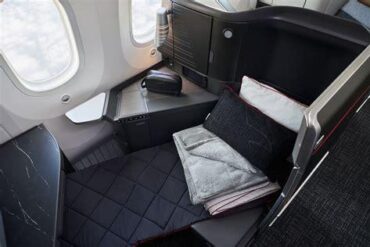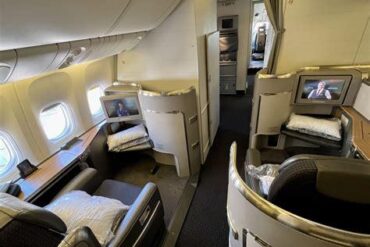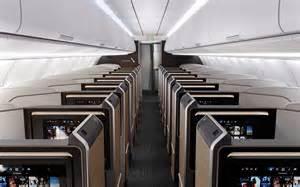
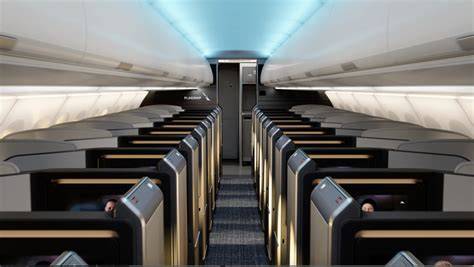
American Airlines is reportedly taking some of the Flagship Business suites on its Airbus A321XLR fleet out of service after repeated problems with the seats’ electronic control systems. The issue affects the lie-flat seats installed in the aircraft’s premium cabin and has reportedly resulted in individual suites being blocked from sale when their seats become stuck in an upright or reclined position.
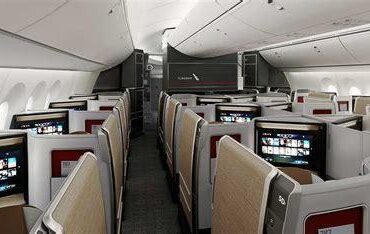
The reported failures are particularly notable because the A321XLR represents a major part of American’s strategy for premium long-haul flying. The narrowbody aircraft is equipped with a dedicated business-class suite featuring a privacy door, and American is using the type on routes where passengers expect a premium experience despite flying on a single-aisle aircraft. When a suite becomes unavailable, the impact therefore extends beyond a simple seat malfunction.
Recent seat-selection information reportedly showed that several American A321XLR aircraft had at least one Flagship Business suite marked unavailable, while some aircraft had multiple affected seats. The reports were attributed to aviation insider JonNYC, who said the suites were experiencing problems more frequently than expected, with malfunctioning seat controls identified as the principal concern.
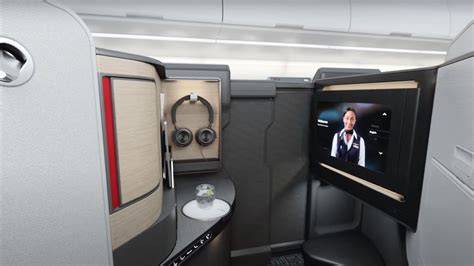
American Airlines A321XLR Flagship Suites Face Seat Control Problems
The business-class seats installed on American’s A321XLR are based on the Collins Aerospace Aurora platform. Unlike conventional reclining aircraft seats, lie-flat suites contain a considerable amount of mechanical and electronic equipment, including motors, actuators, wiring, control units and sensors that allow passengers to adjust the seat into multiple positions.
That complexity creates more potential failure points than a basic manually operated seat. A passenger pressing a control button may be commanding several components to move simultaneously, while the system must also stop accurately at predetermined positions. If the control system fails, the seat can become effectively unusable even when the surrounding suite and cabin remain fully operational.
The reported American problem appears different from the more familiar passenger-caused failures that sometimes affect lie-flat seats. Items such as phones, headphones or other objects can fall into the gaps around moving seat mechanisms and interfere with movement. In this case, however, reports indicate that the seat-control systems themselves are responsible for the failures.
For American, the operational response is straightforward: a malfunctioning suite is marked inoperative and removed from inventory until maintenance can correct the problem. That prevents passengers from being assigned a seat that cannot provide the promised range of positions, but it also reduces the number of premium seats available on an aircraft already carrying a relatively small business cabin.
A321XLR Has Just 20 Flagship Business Suites
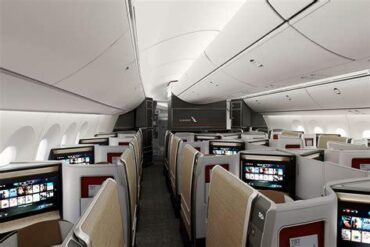
American Airlines configured its A321XLR with 155 seats, including 20 Flagship Business suites, 12 premium economy seats and 123 Main Cabin seats. Because business class accounts for only a small portion of the aircraft’s total capacity, every blocked suite represents a meaningful percentage of the premium cabin.
| Cabin | Seats |
|---|---|
| Flagship Business | 20 |
| Premium Economy | 12 |
| Main Cabin | 123 |
| Total | 155 |
The importance of those 20 suites becomes clearer when considering where American intends to fly the aircraft. The A321XLR is designed to connect destinations that require substantially more range than traditional narrowbody aircraft, allowing American to operate selected transatlantic and transcontinental routes without deploying a widebody.
American received its first A321XLR in 2025 after delays associated with seat supply-chain problems. Although the airline formally took delivery of its first aircraft in July, the aircraft remained in Europe until October before eventually entering passenger service in December. At the time, American cited continuing seat-supply challenges but did not identify the supplier or specify which seats were affected.
American Already Has a History of A321XLR Cabin Delays
The reported seat-control problems come after several other cabin-related challenges during the A321XLR’s introduction. The aircraft initially entered service with the privacy doors on its Flagship Suites locked open, because certification for the doors had not yet been completed.
The Federal Aviation Administration eventually approved the suite doors in July 2026, allowing American to begin activating them. The rollout started with N302NY and was expected to continue across the remaining A321XLR aircraft through the autumn. The doors are an important part of the product because they transform the business-class seats from open premium seats into more private individual suites.
The aircraft itself has also attracted concerns from American’s flight attendants. Crew members have reportedly described the A321XLR cabin as difficult to work in, citing its lavatory arrangement, service flow, compact galleys and crew-rest limitations. These issues are separate from the seat-control failures but demonstrate the range of challenges involved in introducing a new long-range cabin configuration.
American has responded to wider cabin reliability concerns through its OneCabin initiative, which added 60 maintenance technicians focused specifically on cabin defects. Chief Customer Officer Heather Garboden previously acknowledged concerns about broken seats, malfunctioning in-flight entertainment systems and other cabin-quality problems.
Premium Routes Make Seat Reliability Especially Important
The timing of the reported failures matters because American is not treating the A321XLR as simply another narrowbody aircraft. The type is being positioned as a premium long-range platform, with its Flagship Business suites intended to provide a lie-flat experience on flights that can last many hours.
American’s first transatlantic A321XLR operation was a daily seasonal service between New York JFK and Edinburgh. With a range of approximately 4,700 nautical miles (8,700 kilometers), the aircraft gives American additional flexibility on routes where passenger demand may not justify a larger widebody aircraft.
The carrier plans to expand the A321XLR network significantly as more aircraft arrive. Four European routes are scheduled to launch in 2027, including JFK–Amsterdam and Philadelphia–Porto in late March, followed by JFK–Nice and Philadelphia–Vienna in May.
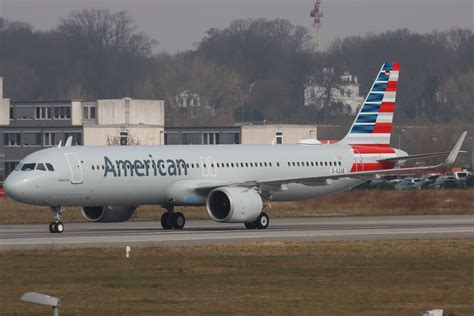
American ultimately expects to operate 50 A321XLRs, making reliability during the early years of the program particularly important. As the fleet expands, maintenance teams will gain more experience with the aircraft and its cabin systems, while recurring technical problems can also reveal whether an issue is isolated or associated with a wider component or installation problem.
For now, the reported blocked suites appear to be an operational cabin issue rather than an indication that the A321XLR itself cannot perform its long-range mission. Nevertheless, every unavailable Flagship Business seat matters on an aircraft with only 20 premium suites. The immediate priority for American and its maintenance teams will be identifying the underlying causes of the seat-control failures, restoring affected suites and ensuring that the new flagship narrowbody delivers the premium reliability expected on its increasingly important transatlantic network.