Approach and Landing Risks
According to the Flight Safety Foundation (FSF), most air transport accidents don’t happen on calm, sunny days. The risks tend to rise when flying over hilly terrain, especially when visibility is low or when adverse weather conditions are present. Contaminated runways and limited approach aids also contribute to these dangers.
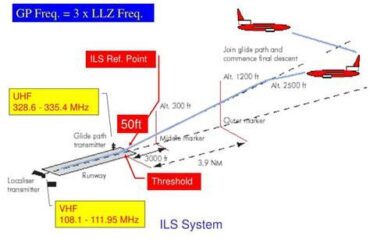
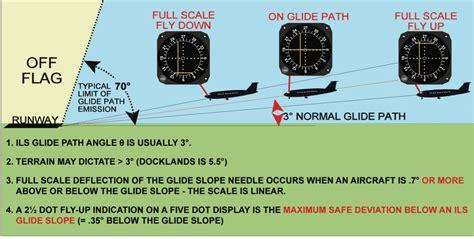
The FSF ALAR Task Force studied 76 approach and landing accidents and serious incidents worldwide from 1984 to 1997. They found some alarming statistics: 53% of these accidents occurred during non-precision or visual approaches, even when an instrument landing system (ILS) was available. Additionally, 50% happened without radar service. Many of the controlled-flight-into-terrain (CFIT) accidents took place in hilly or mountainous areas, with 67% occurring there.
Instrument meteorological conditions (IMC) were present in 59% of the incidents, and half of the accidents occurred during precipitation, like snow or rain. Darkness or twilight was a factor in 53% of cases, while 33% involved challenging wind conditions such as strong crosswinds or wind shear.
Crew disorientation or visual illusions contributed to 21% of the incidents. Furthermore, 29% of the accidents involved the lack of available safety equipment, like ground-proximity warning systems (GPWS) or radio altimeters. Runway conditions, such as standing water or ice, were factors in 18% of incidents, and inadequate ground aids, like navigation aids or approach lights, played a role in 21% of the cases.
To address these issues, the FSF ALAR Toolkit strongly recommends that companies implement awareness programs focused on approach and landing hazards, including CFIT.