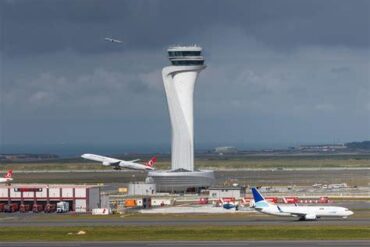
Armenia’s complex aviation history has often been marked by ambition, disruption, and reinvention. Armenian Airlines, founded in December 2022, represents a fresh and determined chapter in this journey. Despite sharing its name with the former state-owned carrier that ceased operations decades ago, the modern incarnation of Armenian Airlines is a private initiative based out of Zvartnots International Airport in Yerevan, carving its own path in a competitive regional market.
From its inception, the airline has positioned itself with clear intent: to serve as a strategic connector between Armenia and key regional destinations, while building a sustainable foundation for long-term growth. With a modest fleet of two Airbus A321-200 aircraft and a streamlined route network, Armenian Airlines has focused on precision, quality of service, and national representation.

Origins and Mission of the New Armenian Airlines
The airline’s formation in December 2022 was met with cautious optimism. Unlike its 1991 namesake, this iteration is a private limited liability company (LLC) that operates independently from past state ownership. The intention was to create a commercially agile, responsive airline that could navigate both regulatory complexity and fierce market competition in the Caucasus region.
At its heart lies a nationalistic vision: to ensure Armenia maintains sovereign air connectivity with vital economic and cultural destinations. The brand’s choice of “APRICOT” as its callsign—a nod to Armenia’s iconic fruit—reinforces this identity, serving both as a cultural symbol and a marketing tool in international aviation circles.
Fleet Configuration and Strategic Operations
Armenian Airlines operates a fleet of two Airbus A321-200 aircraft, a popular narrow-body jet that provides the range and efficiency needed for short to medium-haul regional routes. Each aircraft is configured in an all-economy layout with 220 seats, making it suitable for both high-density tourist traffic and diaspora-driven travel patterns.
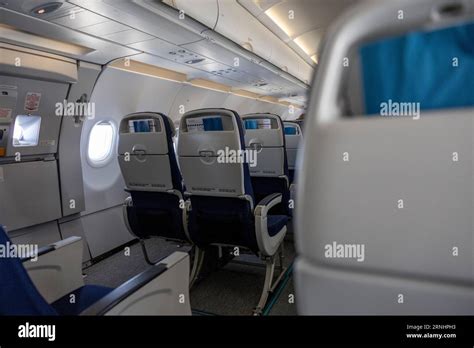
As of early 2025, both aircraft are currently out of operation due to a temporary fleet renewal program, during which the airline plans to acquire new aircraft. This bold move suggests a long-term strategy of modernization, likely aimed at improving fuel efficiency, enhancing passenger comfort, and complying with evolving aviation standards.
Route Network and Market Focus
Before the suspension of services in April 2025, Armenian Airlines had established a focused route map serving three key markets: Russia, India, and neighboring Georgia. These destinations were selected strategically based on cultural ties, economic partnerships, and demand from the Armenian diaspora.
From its base in Yerevan, the airline previously operated direct flights to the following cities:
- Russia: Moscow (Sheremetyevo), Kazan, Sochi, Ufa, Mineralnye Vody, Volgograd
- India: Delhi (Indira Gandhi International Airport)
- Georgia: Batumi (seasonal)
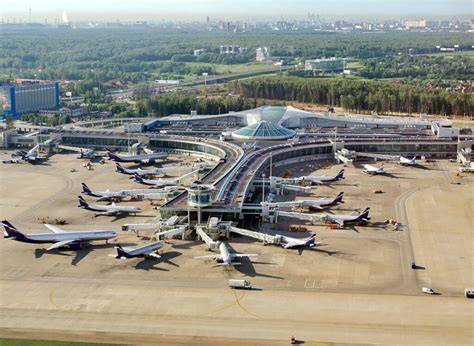
These destinations reflect a deliberate emphasis on routes underserved by major international carriers but critically important to Armenian nationals and expats. The Batumi-Yerevan route, for instance, catered to regional tourism and trade during peak seasons, while the Delhi connection provided access to South Asia’s vast cultural and economic network.
Temporary Suspension: A Strategic Pause or Growing Pains?
On 6 April 2025, Armenian Airlines announced a temporary suspension of all operations, citing a need to renew its fleet and acquire new aircraft. While such interruptions can raise questions about financial resilience or organizational stability, company insiders maintain that this pause is part of a larger growth strategy.

This proactive move signals the airline’s intent to align itself with modern aviation standards, possibly transitioning to newer, more fuel-efficient aircraft. It may also offer the company a chance to reevaluate route economics, optimize staffing, and recalibrate for long-term scalability.
Positioning Among Armenian Carriers
Armenia’s aviation market is relatively small but fiercely contested. Key players include FlyOne Armenia, Hayways, Armenia Airways, and Novair—each vying for influence in a space marked by limited infrastructure and modest domestic demand. In this landscape, Armenian Airlines has attempted to differentiate itself through brand identity, route exclusivity, and fleet uniformity.
Unlike some competitors that focus heavily on Europe-bound routes or operate mixed fleets, Armenian Airlines concentrated on niche regional markets and a standardized aircraft type, reducing maintenance complexity and offering scheduling flexibility. The choice of the Airbus A321, though high-capacity for some routes, allowed the airline to maximize load factors during seasonal surges, particularly from Russia.
Challenges in Armenian Airspace
The airline’s journey has not been without headwinds. The regional geopolitical environment, limited runway infrastructure, and fluctuating economic conditions have created volatility for all Armenian carriers. Bilateral aviation agreements, airspace restrictions, and global fuel pricing all exert outsized influence on such a small-scale operator.
Moreover, Armenia’s landlocked position, with sensitive borders and limited rail or highway access to neighbors like Turkey and Azerbaijan, makes air travel not just a convenience but a strategic necessity. For Armenian Airlines, every flight represented more than a commercial operation—it was a link to global markets, diaspora communities, and economic lifelines.
Leadership and Future Outlook
Under the leadership of Ararat Sargsyan, the airline has maintained a consistent message: resilience through adaptability. While little public information is available about Sargsyan’s aviation background, his stewardship has overseen the startup’s early operations, international route negotiations, and now, its fleet renewal pivot.

The success of Armenian Airlines’ future will hinge on several factors:
- Timely return to operations post-fleet renewal
- Sustained demand on regional routes, particularly in Russia and India
- Integration of digital services and loyalty programs
- Regulatory stability from Armenia’s civil aviation authority
If the airline manages to relaunch with a modernized fleet and reaffirm its market niche, it could very well become a cornerstone in Armenia’s evolving transport ecosystem.
Conclusion: Building Bridges Through Air Travel
Armenian Airlines may be young, but it symbolizes a deep-rooted aspiration: to connect Armenia to the world on its own terms. Its carefully curated route network, distinctive branding, and willingness to take calculated risks—like pausing operations for strategic upgrades—reflect a company not afraid of reinvention.
In an era where national airlines often struggle to remain relevant, Armenian Airlines is making a compelling case for purposeful aviation. Not with grand fleets or sprawling networks, but through precision, national pride, and regional stewardship. If its fleet renewal succeeds and demand returns, this airline could solidify its role not just as a carrier of passengers, but as a carrier of Armenian identity.