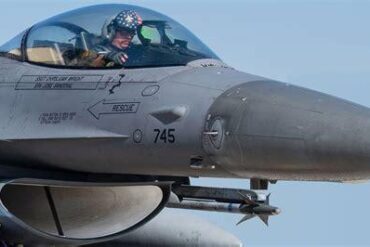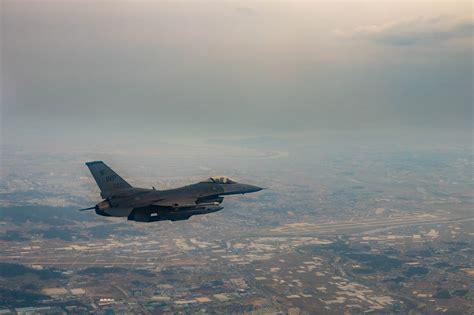
The United States Air Force (USAF) has taken a significant step in bolstering its military posture on the Korean Peninsula with the arrival of upgraded F-16 Fighting Falcons at Osan Air Base, approximately 65 kilometers south of Seoul. These deployments signal a broader modernization strategy that aligns with America’s long-term strategic objectives in the Indo-Pacific, particularly in response to escalating threats from North Korea and rising tensions with China.
The latest arrivals stem from the 35th Fighter Wing, based at Misawa Air Base in Japan, and are being integrated into the 51st Fighter Wing stationed in South Korea. The upgraded aircraft, which arrived between June 26 and 27, are part of the USAF’s drive to form powerful new operational units dubbed “Super Squadrons.”
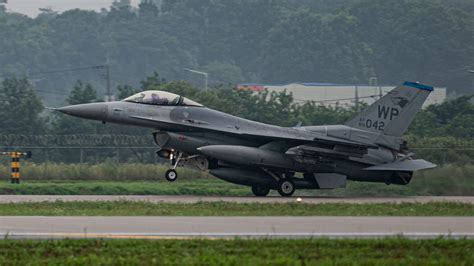
Strategic Shift Amid A-10 Phase-Out
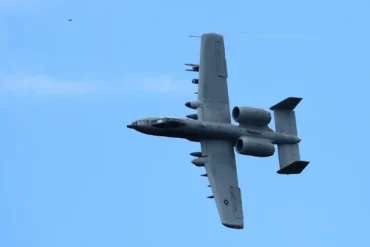
The deployment of these upgraded F-16s comes at a pivotal time. Osan Air Base has recently witnessed heightened activity, spurred largely by the planned retirement of the A-10 Thunderbolt II fleet. The 25th Fighter Squadron, which has operated 24 A-10s in South Korea, is set to retire these platforms as early as 2026, according to U.S. Congressional budget proposals. This development is not just a shift in aircraft; it’s a transformation of strategy, capability, and forward-deployed power.
The USAF is actively replacing these legacy aircraft with more agile and technologically advanced platforms. With that comes the formation of Super Squadrons, beginning with an inaugural unit comprising 31 F-16s. These squadrons aim to centralize air combat assets, increase sortie generation, and enhance overall mission readiness.
The Rise of the Super Squadron Concept
Under Phase I, aircraft from the 35th and 80th Fighter Squadrons, both stationed at Kunsan Air Base, have been temporarily reassigned to the 36th Fighter Squadron at Osan for a year-long evaluation. This redeployment is part of a test phase to validate the efficacy of the Super Squadron concept in delivering sustained airpower.
Lieutenant General David Iverson, commander of the Seventh Air Force, underscored the program’s success. “Data from recent months shows that we’re on the right track,” he said. “The consolidated and larger unit has demonstrated increases in readiness and combat capability — although it has also exposed some challenges.”
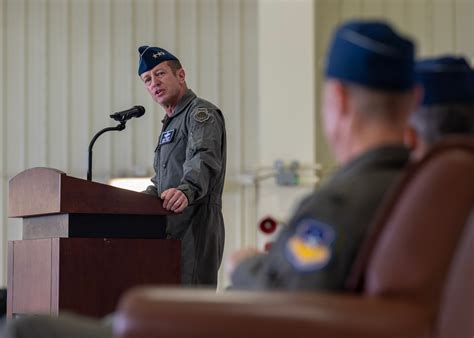
Encouraged by the early results, the Seventh Air Force has initiated planning for a second Super Squadron, continuing the momentum and consolidating more F-16s at Osan.
Fifth-Generation Capabilities for a Fourth-Generation Fighter
What makes this deployment remarkable is the sheer scope of the upgrades applied to these legacy fighters. The newly arrived Block 40 and 50 variants have undergone modernization under the Post-Block Integration Team (PoBIT) program. This initiative ensures that these aircraft remain combat-relevant well into the 2040s, a necessity given the USAF’s evolving strategic requirements and budget constraints.
Key upgrades include:
- APG-83 Scalable Agile Beam Radar (SABR): A state-of-the-art AESA radar, offering dramatically enhanced target tracking, situational awareness, and resistance to jamming.
- Advanced avionics and mission computers: Enhanced data processing speeds and electronic warfare capabilities.
- Service Life Extension Program (SLEP): Increases the airframe’s operational life from 8,000 to 12,000 flight hours, delaying the need for replacements.
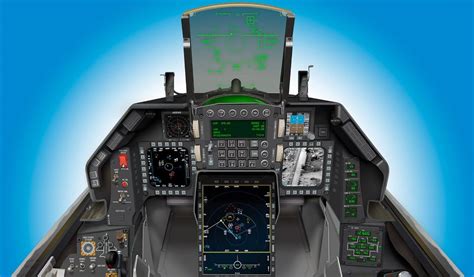
Together, these enhancements significantly improve survivability, precision strike capabilities, and multirole effectiveness — inching the F-16 closer to fifth-generation performance levels without the prohibitive costs associated with newer platforms like the F-35 Lightning II.
Implications for Deterrence and Alliance Assurance
The enhanced F-16 presence sends a potent message to both allies and adversaries in the region. The consolidation at Osan is more than logistical efficiency — it represents a combat multiplier. By amassing advanced fighters at a single strategic hub, the USAF enhances its ability to conduct sustained operations and respond swiftly to regional threats.
It also reassures South Korea of America’s unwavering commitment to its defense. In recent years, North Korea’s missile tests and weapons development programs have accelerated, prompting Seoul to deepen its security ties with Washington. The upgraded F-16s provide a visible and formidable deterrent against such provocations.
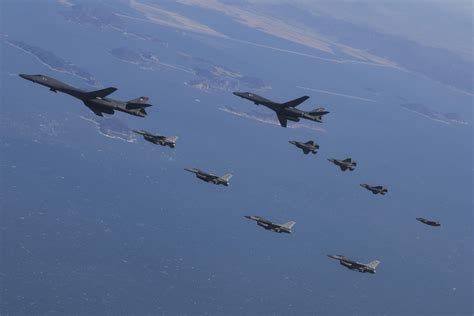
Broader Indo-Pacific Strategy and Forward Basing
This deployment should also be viewed through the lens of Washington’s Indo-Pacific realignment strategy. As the U.S. military shifts focus from the Middle East to the Pacific, investments in forward basing and rapid-response capabilities have become paramount. The decision to funnel upgraded assets like F-16s into South Korea — rather than retiring them outright — reflects a calculated effort to maintain a credible and agile forward posture.
Moreover, Japan and South Korea are both integral to America’s regional presence. By shifting aircraft from Misawa in Japan to Osan in Korea, the USAF is exercising flexibility in regional basing, while also alleviating strain on Japanese host facilities amid rising operational tempos.
Beyond the Aircraft: Infrastructure and Readiness Investments
The Super Squadron initiative does not occur in a vacuum. Its success hinges not just on aircraft upgrades, but also on significant infrastructure enhancements, training cycles, and logistical planning. Osan Air Base has been undergoing modernization to accommodate increased aircraft and personnel, including:
- Expansion of maintenance hangars and hardened shelters.
- Augmented munitions storage and delivery systems.
- Upgraded command-and-control nodes with integrated digital battle management systems.
All of these serve to reinforce Osan’s role as a forward operating fortress, capable of projecting American airpower at a moment’s notice.
Toward a Leaner, More Lethal Force
The evolution of the F-16 force structure in South Korea is a microcosm of the USAF’s broader pivot: doing more with less, but doing it better. The Super Squadron model is a manifestation of this philosophy. It concentrates elite assets into highly capable units that can punch above their weight, thanks to enhanced readiness, interconnectivity, and multirole versatility.
It also reflects a cultural shift in how the Air Force envisions air superiority. Rather than spreading platforms thinly across multiple bases, the USAF is centralizing strength — delivering a more potent and flexible force posture that is tailored for near-peer competition scenarios.
Conclusion: Strategic Anchoring in a Volatile Region
The arrival of upgraded F-16s at Osan Air Base marks a defining moment in the evolution of American airpower in East Asia. More than a routine rotation, this deployment underscores the United States’ strategic depth, alliance commitment, and forward-looking doctrine in one of the world’s most contested theaters.
By reinforcing its presence with cutting-edge capabilities, consolidating force structures, and pioneering new models like the Super Squadron, the USAF is ensuring that it not only remains relevant in today’s dynamic threat environment, but also dominates it in the decades to come.