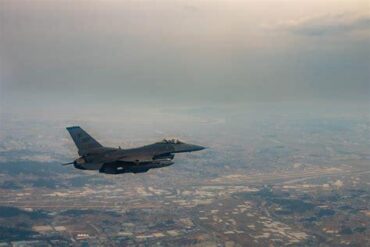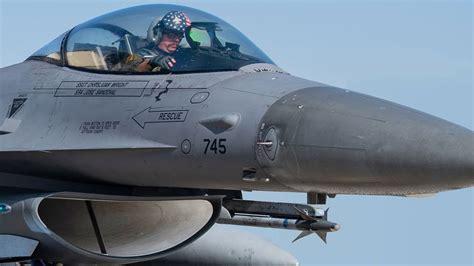
In a decisive step toward enhancing regional air dominance, the United States Air Force has deployed a fleet of upgraded F-16 Fighting Falcons to Osan Air Base in the Republic of Korea. The modernization, officially confirmed by the 51st Fighter Wing on July 8, 2025, involved the strategic relocation of advanced aircraft from the 35th Fighter Wing based at Misawa Air Base, Japan, between June 26 and 27. This critical movement of airpower marks a new chapter in the evolving U.S. force posture across the Indo-Pacific theater.
The modernization initiative signifies a clear U.S. commitment to enhancing its forward combat readiness, while also bolstering its strategic deterrence capabilities amid mounting geopolitical challenges in Northeast Asia. With regional tensions continuing to simmer—particularly around the Korean Peninsula, the Taiwan Strait, and the East China Sea—the upgraded F-16s serve as a vital link between current tactical needs and the next generation of air superiority platforms.
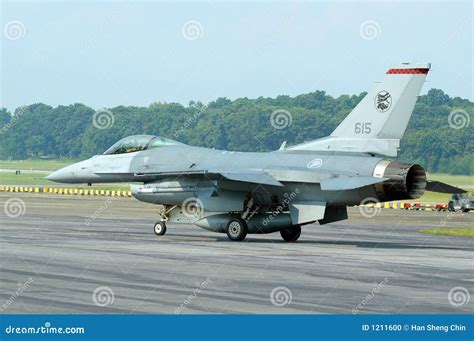
F-16 Modernization: Merging Fourth-Generation Proven Power with Fifth-Generation Technologies
At the core of this deployment lies a comprehensive avionics overhaul that has transformed the F-16 into a far more lethal and survivable multi-role platform. These upgrades—implemented as part of the Post Block Integration Team (PoBIT) modernization program—introduce a suite of technological advancements previously exclusive to fifth-generation aircraft. Among the enhancements:
- Active Electronically Scanned Array (AESA) radar: Allows for superior target detection, tracking, and engagement across all-weather conditions.
- Advanced electronic warfare suites: Provide robust self-protection against radar-guided and infrared threats.
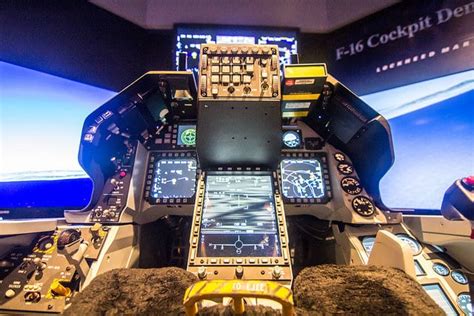
- Improved cockpit interface: Digital displays and modernized control systems increase pilot situational awareness.
- Precision GPS navigation and secure datalinks: Enable real-time integration with joint and allied platforms for cooperative targeting.
These upgraded systems drastically enhance the F-16’s mission effectiveness in multi-domain operations—especially for Suppression of Enemy Air Defenses (SEAD), Close Air Support (CAS), and Air Interdiction missions. With the capacity to identify, evade, and destroy enemy threats with greater accuracy, the F-16 now embodies a hybrid capability profile straddling both legacy airframes and next-generation warfighting doctrine.
Bolstering the 51st Fighter Wing: Strategic Relevance of Osan Air Base
Osan Air Base plays a critical role in U.S. force projection in Northeast Asia. As the home of the 51st Fighter Wing—the only permanently stationed U.S. fighter wing in South Korea—it represents the backbone of America’s aerial response capacity south of Seoul. The arrival of these modernized fighters instantly amplifies the base’s operational bandwidth.
Equipped with multi-role capabilities, the new F-16s allow the 51st Fighter Wing to conduct a broader spectrum of operations with faster deployment timelines, enhanced mission precision, and greater survivability in high-threat environments. This is particularly vital given the increasing development of anti-access/area denial (A2/AD) systems by regional adversaries. The fighters’ agility, paired with cutting-edge sensor fusion and targeting capabilities, ensures that the U.S. Air Force remains both resilient and responsive in times of conflict.
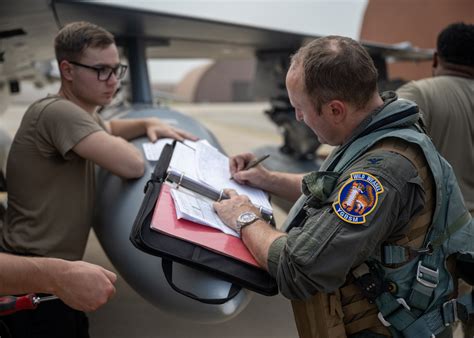
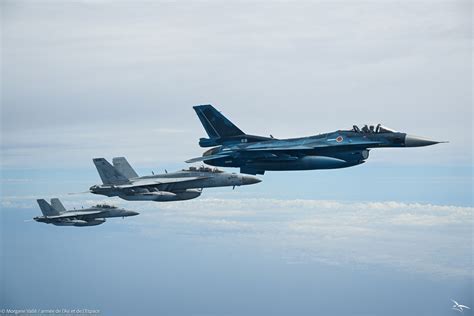
Indo-Pacific Integration: Strengthening Multinational Combat Interoperability
This deployment does not stand in isolation. Rather, it reflects a deliberate Indo-Pacific Command strategy to integrate U.S. air assets across Japan and South Korea. By doing so, the command enhances joint force interoperability, enabling the seamless conduct of bilateral and trilateral exercises with the Republic of Korea Air Force (ROKAF) and Japan Air Self-Defense Force (JASDF).
This strategic alignment fosters:
- Improved combined training operations with coalition forces.
- Real-time intelligence and targeting integration among allies.
- Standardization of operating procedures across U.S. and partner squadrons.
With heightened interoperability, the upgraded F-16s become not just tactical assets but also strategic multipliers in deterring regional threats—particularly from North Korea, whose missile tests and military drills continue to challenge stability in the region.
Regional Deterrence: Elevating Strategic Posture Amid Geopolitical Friction
The Indo-Pacific is a theater of rising complexity, defined by accelerated militarization, territorial disputes, and emerging peer threats. Against this backdrop, the arrival of the enhanced F-16 fleet sends an unmistakable message of American resolve.
Rather than waiting for next-generation platforms to come online, the U.S. has chosen to reinvest in and extend the viability of proven platforms. The modernized F-16 now acts as a force bridge, sustaining combat relevance while the Next Generation Air Dominance (NGAD) program continues its long-cycle development.
The regional deterrence posture is further reinforced by:
- Persistent forward presence of U.S. tactical airpower.
- Expanded joint training and operational drills with allied nations.
- Rapid deployment capabilities for conflict escalation scenarios.
Force Evolution Strategy: Adapting to the Threat Landscape
This modernization effort is not merely about technological upgrades; it’s a reflection of a broader force evolution strategy driven by adaptive logistics, forward deterrence, and mission continuity. The F-16’s renowned maintenance flexibility, extensive logistical support chains, and global parts availability make it an ideal platform for both transitional operations and sustained deployments.
The continued evolution of these aircraft ensures that the U.S. Air Force can:
- Maintain operational tempo without over-reliance on limited fifth-gen assets.
- Deploy a scalable and interoperable force structure.
- Meet mission demands across low-to-high intensity conflict spectrums.
While sixth-generation systems remain the strategic endgame, the upgraded F-16s allow commanders to maintain tactical edge in the present battlespace, where speed, survivability, and joint-force alignment often determine mission success.
Looking Forward: A Template for Regional Force Posture Modernization
The implications of this deployment extend beyond the Korean Peninsula. The 51st Fighter Wing’s upgraded fleet now stands as a template for other theater commands aiming to optimize their legacy assets while positioning for future platforms. With increased sensor integration, electronic warfare resilience, and connectivity to joint networks, the F-16 continues to evolve in parallel with modern conflict demands.
For partners and adversaries alike, the arrival of these jets underscores the U.S. commitment to staying technologically ahead and operationally unpredictable. As long as adversaries develop sophisticated A2/AD strategies and long-range precision strike capabilities, the need for agile, interoperable, and survivable airframes will only grow.
The modernized F-16 fills that role with lethal precision.
Conclusion: Sustaining Combat Credibility in a Dynamic Indo-Pacific Arena
The arrival of modernized F-16s at Osan Air Base represents far more than a routine rotation of assets. It is a clear signal of strategic adaptation, technological renewal, and combat readiness in one of the world’s most contested regions. As the U.S. pivots toward an increasingly complex Indo-Pacific theater, this modernization effort strengthens the foundations of deterrence while preserving operational flexibility.
By advancing the capabilities of a proven warhorse, the U.S. Air Force not only extends its tactical advantage—it ensures that its combat credibility endures against the most pressing threats of the 21st century.